Supercharge Your Health, Happiness and the Earth at the 7th Annual Superfood Garden Summit

How often do you take a bite of a produce item from your grocery store and experience it as virtually flavorless?

Studies show a correlation between flavor intensity and nutrient density. So if your food lacks flavor, chances are it’s lacking nutrients too! While further study is needed, recent findings suggest that the relationship of flavor and nutrients is so complex that fatty acids and carbohydrates may send nutrient-specific signals that inform your gut and your brain of the nature of the nutrients. That’s amazing!

Home growers know that the flavors that come from home grown foods are unmatched by anything you can get from the grocery store. We created the

so fresh food lovers and health advocates can learn to grow food and get the highest nutrient density foods.

There are hundreds of thousands attending this years’ Superfood Garden Summit​​​​… AND we’re on a mission to reach 1 million people! Because EVERYONE deserves fresh, organic, nutrient-dense food. Growing your own food is one of the best ways to do just that.

Register here for the FREE VIEWING of the 7th Annual Superfood Garden Summit so that you can learn to grow fresh, organic, nutrient-dense food for a long, healthy life.

💚 Help us spread this special event and share this link on your social media! http://SuperfoodGardenSummit.com

Together, we can share the information to help people create thousands of new gardens, feed millions of people with fresh, healthy food, and green the planet! 💚

Supercharge Your Health! Join the 2023 Superfood Garden Summit
There are so many problems with our food system. This is an opportunity to be part of a solution… imagine the impact that a community of 1 million+ growers will have on the planet, our health, and the future generations!

Supercharge Your Health! Join the 2023 Superfood Garden Summit EVENT HERE

Citations:
Tepper, B. J., & Barbarossa, I. T. (2020, January 6). Taste, nutrition, and health. Nutrients. https://www.ncbi.nlm.nih.gov/pmc/articles/PMC7019433/
 

Related articles you may enjoy:

The Importance of a Versatile Garden Trellis System

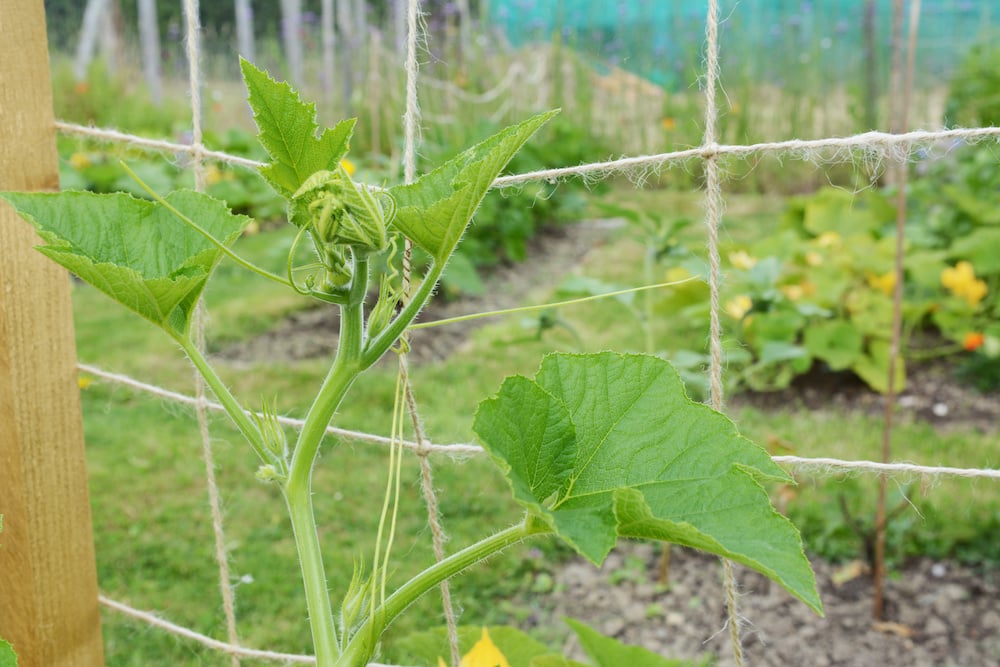
Trellising is one of the best ways to increase the amount of growing space available to you in your garden. It also helps keep harvests off the ground away from moisture and soil dwelling pests. The soil is where plants grow but it’s also where organic matter gets broken down. So you generally want to keep your harvest off the ground as often as possible. But before we get into the importance of a versatile trellis system, if you’re new to gardening, check out the ‘When to Trellis’ and ‘What Plants Get Trellised’ sections below.

When to Use a Garden Trellis

Don’t wait until your plants get large to trellis them. Start them on the trellis when they’re small (about 2-3 weeks after transplanting them in your garden, depending on the crop). If you wait, you’ll end up needing to move stems and branches on the trellis which can cause damage and diseases to your plants. If your plants are already past this size, you’ll want to trellis and do the best you can, then plan to do it earlier next season.

What Plants Get A Trellis?

Plants that typically get trellised are crops like pole beans, indeterminate tomatoes (click here to find out the difference between indeterminate and determinate tomatoes), cucumbers, squashes, melons, and other similar crops.

Why You Want a Versatile Garden Trellis

In gardening, expert growers rotate where their crops are each year. This system of crop rotation helps confuse pests, keeping them guessing where to find the particular crop they’re fond of.

Crop rotation also helps prevent diseases from transmitting year to year. If a soil borne disease hits your tomato crop this season, next year it won’t because you’re planting in a different area. And by the time you plant tomatoes in that same place again (typically every four years), there is a better chance that disease has died off, not having the host plant available.

Plus, rotating your crops keeps soil nutrients more in balance. Every crop needs different levels of nutrients. So if you plant the same crop in the same place each year, then your soil is going to get depleted of the nutrients that crop needs to thrive.

So you want to rotate crops for healthier plants and bigger harvests. But if you don’t have a versatile trellis system, then you have to move your trellises from bed to bed each year… what a pain!

Free yourself from excessive work by using a versatile trellis system and check out our blog on a simple, easy-to-manage, versatile trellis system… and the best part? It’s inexpensive too!

Share how YOU trellis your plants!

Grow Your Own Immune Boosting Garlic For Improved Health & Vitality

Summary:

Store bought garlic is bred for shelf life, not flavor or nutrient density. Luckily, growing nutrient dense garlic varieties takes very little time and effort. You can grow enough garlic for a whole year in just a 4’x 6’ (1.2 x 1.8 m) garden bed. Discover how to grow your own garlic, bursting with flavor and nutrients for your health and vitality. Plus, get the pro tips on how to maximize your garlic nutrition.

Garlic is an ancient remedy

Garlic is one of the world’s oldest cultivated agricultural crops and has been used for centuries to treat a vast number of diseases and ailments. From malaria and meningitis to tuberculosis and typhoid fever, garlic has been recognized as a powerful healer throughout time in cultures across the globe.

There was a time when people hoped to cure misunderstood ‘evils’ with garlic and other alliums. Today, scientific studies are confirming many of these ancient medicinal remedies. More on the allium family and some of their benefits here.

Of all the alliums, garlic single handedly wards off more ‘evils’ than any other vegetable or herb. It’s no wonder it was revered to have magical properties.

Why Grow Garlic When You Can Buy?

Flavors You Can’t Find at the Store: Grocery store garlic is bred for one thing: shelf life. While this is helpful for food being transported hundreds and thousands of miles, the cost of breeding for shelf life is a loss in flavor. In addition, there’s not a lot of variety at the grocery store. They carry one of three typical varieties. However, when you grow your own garlic, you can choose from over one hundred different varieties and flavors.

Health and Disease Prevention You Can’t Buy: Studies show a direct correlation between flavor and the presence of nutrients for many foods. That great garlic flavor is an indicator of more nutrients and therefore more health for you. Allicin is just one of the many active compounds in garlic that supports your health. You can read the amazing benefits of allicin here.

You don’t need to settle for less. Enjoy superior flavor and health when you grow your own garlic. Plus, it’s easier than you might think!

How To Grow Flavorful and Nutrient Dense Garlic

When inviting plants into your life, it’s important to remember that plants want to thrive. They do whatever it takes to grow strong and turn to seed for the next generation of plants. Your role as a caretaker is to provide the best conditions for your plants to flourish. Here are the eight considerations when growing garlic.

1. Growing Garlic: A Great Choice for Busy Growers

Unlike other annual garden veggies and herbs, most garlic grows from fall, through winter and all the way to summer. Growing garlic takes very little maintenance so it’s great for busy people. Once garlic is in the ground, the only thing you may need to do is mulch before temperatures freeze. Then curl up with a cup of hot tea and take the entire winter off. That’s right, nothing left to do but wait until harvest in late spring, early summer!

2. Choosing the Right Garlic for Your Climate 

Hardneck and softneck varieties can be grown in colder climates, but if you live in a warmer climate, you’ll want to choose a softeneck variety.

For more on choosing the right variety, grab your complimentary printable Garlic Growing Guide here. 

Sow garlic at the beginning of your cool season. Hardnecks need the first four to six weeks of growing to be between 32-55°F (0-12°C). Softneck and warmer tolerant garlic varieties can be planted in warmer temps, but need to be below 80°F (23°C) for the duration of their growth. 

Garlic sprouts should be at least 6-8” (15-20cm) tall before temperatures drop below freezing. When sprouts are at least 6” tall, mulch the garlic bed with a light material, like organic straw to protect it through the winter. You can also use mulch to keep the soil cooler in warmer climates.

3. Your Garlic Plants Want 6-8 Hours of Sunlight  

Without proper sunlight, your garlic plants cannot photosynthesize properly. Because sunlight hours change through seasons, you’ll want to make sure that wherever you plant your garlic it is getting 6-8 hours of full sun from fall through summer and up until harvest time. 

4. Quality Soil Means Nutrient-Rich Food 

Health starts underground. If growing in a container, choose a high quality, organic potting mix. If growing in soil, ensure it is well draining with plenty of fertility. Keep your fertility levels up by adding a 2” layer minimum of organic compost on the top of your potting mix or soil each growing season.

5. How Many Garlic Plants in How Much Space? 

You don’t need a lot of growing space for garlic. You can grow enough garlic to savor year round in one 4’ x 6’ (1.2 x 1.8 m) garden bed. And that one garden bed can give you much more of that cherished garlic flavor beyond the bulbs. 

Before your garlic head fully matures, grab an early harvest with hardneck varieties. Hardnecks produce edible shoots on the top of the plant called ‘scapes.’ Simply cut the scapes when they are between 6-10” (15-20cm) long and enjoy them raw or cooked. They make a delectable addition to sautees!

PRO TIP: in the early spring, plant lettuce between the rows of garlic. Your garlic and lettuce will be ready to harvest at the same time, so you get two crops out of the same space. Plus your planting bed will be clear to plant summer crops.

6. Watering for Perfect Garlic Harvests

When you first plant your garlic, water 1” (3cm) per week until leaves emerge. Then, reduce watering. No need to water once temperatures go below freezing.

When the ground thaws, water 1” per week in temperatures of 60-70°F (15-21°C) and 2” per week in temperatures of 70-80°F (21-26°C). 

PRO TIP: Watering less often and more thoroughly is best. 

7. Harvesting and The Secret to Getting Superior Garlic Harvests

Harvesting garlic is easy! Your garlic is ready for harvest when lower leaves turn brown and papery. Using a digging fork, gently insert the digging fork into the soil and lift the garlic heads from soil. 

But you don’t have to wait until the garlic is mature to start harvesting. Aside from the scapes of hardneck varieties, you can enjoy delicious fresh spring garlic by harvesting before maturity and cooking immediately.

Important Tip When Growing Garlic: The secret to getting superior garlic harvests is to save the largest, healthiest bulbs for planting next year.

8. Curing and Storing Your Garlic 

Once you’ve harvested your garlic, gently brush off the excess dirt. Never wash harvested garlic or get the bulbs wet as this can cause your garlic to mold. Hang your garlic or lay on a wire rack out of sunlight for 2-4 weeks in temperatures of at least 80ºF (26ºC). In colder climates, curing can be done indoors. 

Once cured, cut the stems off and peel the very outer layer of skin off the bulbs. Store in a ventilated, dark, dry area at 60ºF (15ºC). When garlic is cured properly, it will store for anywhere between 4-12 months, depending on whether you’re growing the hardneck or softneck variety. 

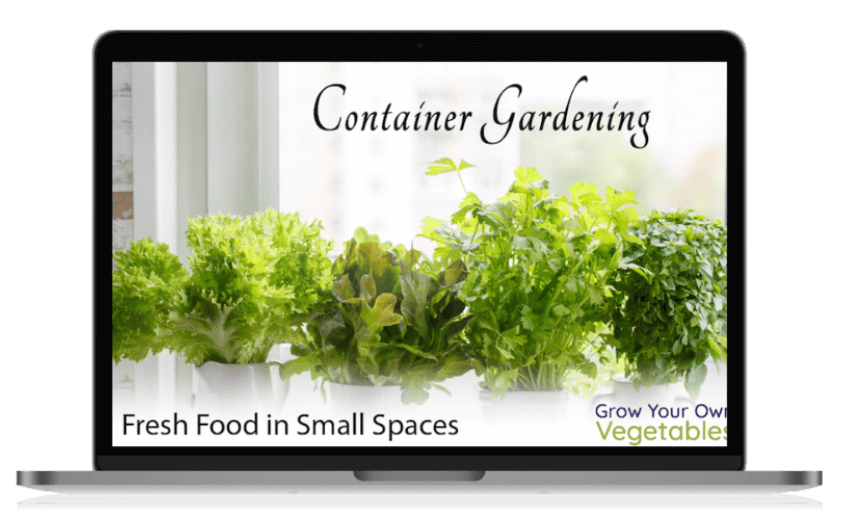
Limited on space? Container growing can help you see opportunities instead of limitations. You can customize your container garden to fit your space, budget, physical abilities, and lifestyle.
Check out our NEW Container Gardening Micro Course

Are you a garlic grower? Share below your garlic tips, recipes and growing experience.

Chop & Freeze Your Vegetable Harvest for Later: Cutting through the misinformation & avoiding mushy beans

There’s nothing better than harvesting and eating fresh, homegrown, and organic vegetables fresh from your garden. Part of harvesting process is being ready to know how to cook, prepare and preserve all that food.

However, the second best thing to eating fresh vegetables from your garden is savoring the taste from your garden in the off-season.

Make the most out of your garden harvest by properly

In this video, learn what the top two questions we receive about preserving & storing your vegetable harvest PLUS …

– The BEST shortcut to storing your tomatoes

– Two vegetables you can simply chop and freeze

– Why can’t you just chop and freeze most vegetables for long term storage?

– How do you freeze vegetables so they don’t get mushy?!

– Plus… the benefits and drawbacks of freezing your garden harvest

Remember: Pulling garden freshness out of the freezer means quick meal preparation!

Growing Celery for Maximum Nutrition and Flavor

Celery Used as Disease Prevention for Thousands of Years

Did you know celery (Apium Graveolens) was used almost exclusively for medicinal purposes from 850 BC through the 17th century? A 2017 phytopharmacological review on celery confirms “…the Apium has emerged as a good source of medicine in treating various diseases.” From weight gain and skin conditions to rheumatic tendencies and chronic pulmonary catarrh, celery is proving itself to be a powerful plant for many ailments and chronic diseases.

Three reasons to grow your own celery

Protect yourself from toxic chemicals. Celery is ranked as one of the Dirty Dozen by the Environmental Working Group (EWG), making it one of the most contaminated produce items on the grocery shelves. When you grow your own, you know exactly how the plants were grown and create a toxic free future for yourself and your loved ones.

Choose foods that are nutrient rich. When you have no idea where your food is actually grown, that’s a big question mark where your health is concerned. Your health starts in the soil, and growing your own food allows you to focus on quality soil. Plus, food starts to decompose the moment it is harvested. There’s no telling how much of those vital nutrients were lost before your food reaches your plate. 

The flavor of homegrown celery will surprise and delight you! It’s easy to overlook celery for flashier vegetables. But that is a big mistake, especially in the garden. Because homegrown celery is so much more fragrant than store bought. You quickly rediscover why it’s been in recipes for thousands of years, not just for its health benefits but for its unique homegrown flavor.

Important Tip No One Talks About When Growing Celery

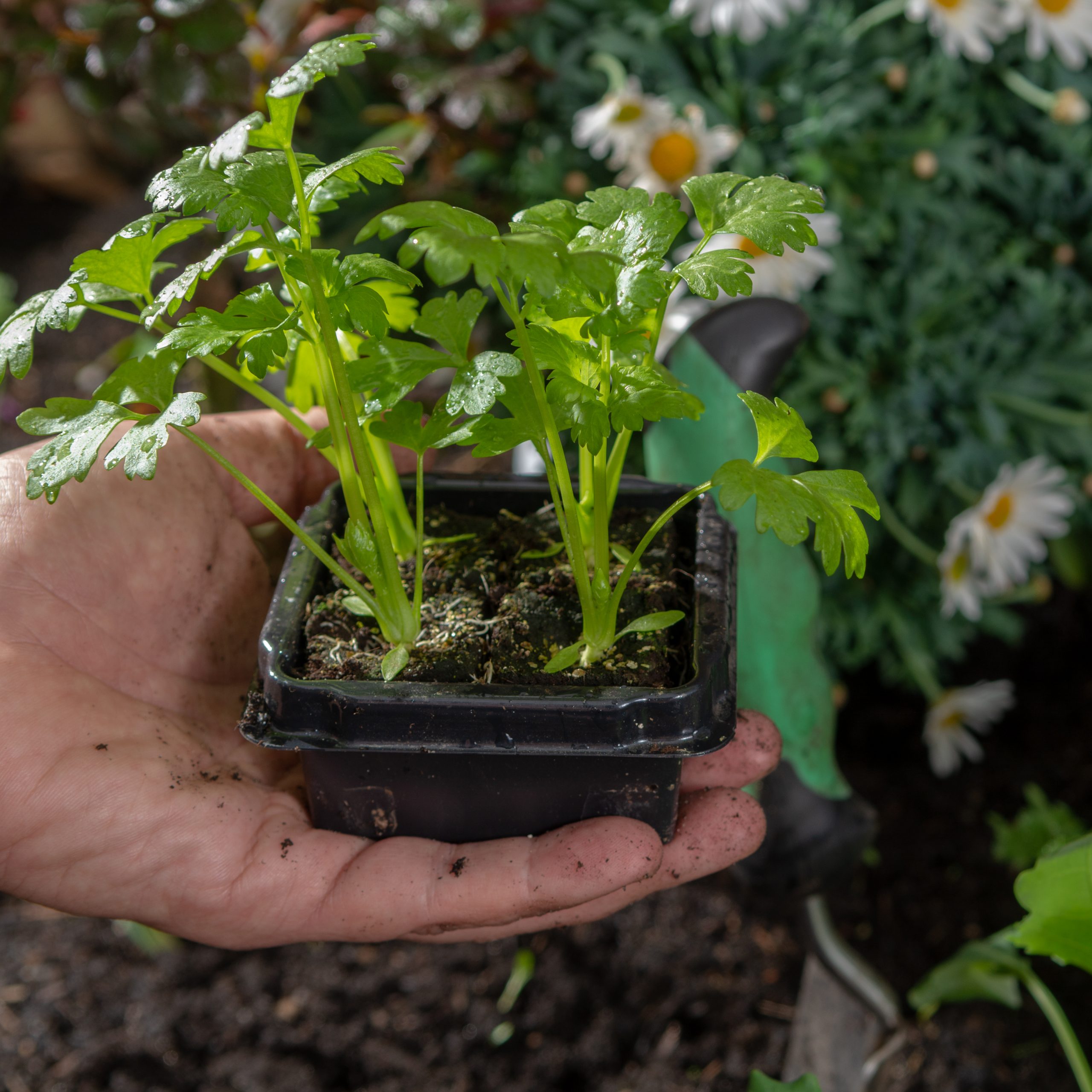
Growing celery from seed is not recommended for beginners. It is one of the more finicky seeds and takes longer than most to germinate. When you find good quality, celery plants at a trusted nursery or farmers market, you will have more success and faster harvests.

If you can’t find celery plants, growing from seed is still an option. Discover best practices in the Grow Your Own Celery – Cheat Sheet.

How To Grow Nutrient Dense Celery

When inviting plants into your life, it’s important to remember that plants want to thrive. They do whatever it takes to grow strong and turn to seed for the next generation of plants. Your role as a steward is to provide the best conditions for your plants to flourish. Here are the eight considerations when growing celery.

1. Growing Celery is Great for People With Busy Lives

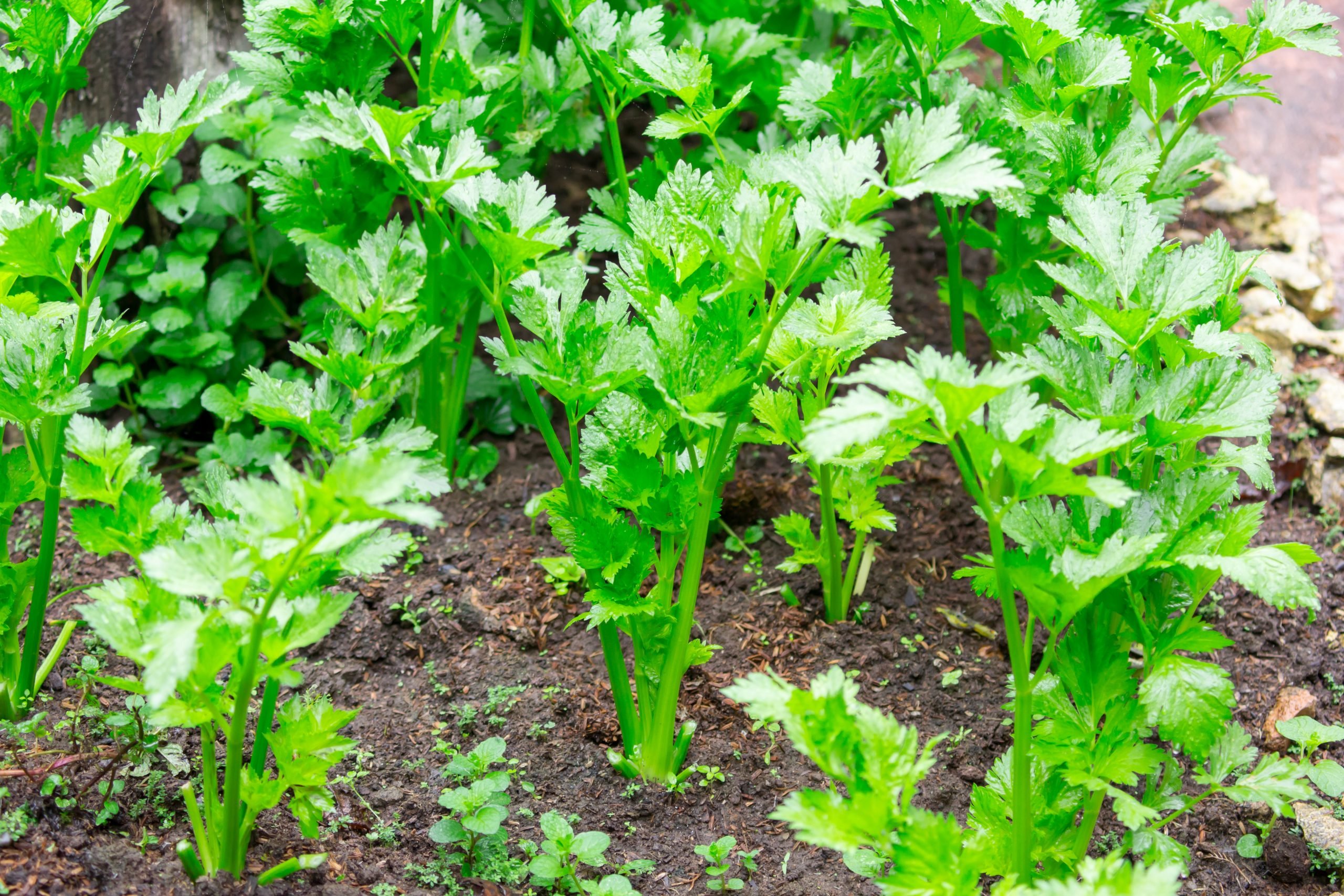
Celery is among one of the easiest plants to care for in the vegetable and herb garden. Once your garden is started, it takes just minutes each day to harvest and care for celery. Luckily, most pests avoid this fragrant herb making it easy to care for too.

2. There IS a Celery Variety for Your Climate 

Plant your celery outside once night temperatures are above 55°F (12°C). Celery grows best in temperatures between 55-80°F (12-26°C). Living in a hot, dry desert climate? You’ll have better success planting in dappled shade or under shade cloth.

A favorite among many gardeners is Tango variety. It performs well under less than ideal growing conditions such as heat and moisture stress. And the flavor is fragrant with stalks that are more tender and less fibrous.

Which other varieties to consider? Tall Utah is an upright plant, rather than one that spreads out. For color, Giant Red or Chinese Pink varieties are a fun way to add some unusual color to your meals.

3. Your Celery Plants Want 6-8 Hours of Sunlight  

Without proper sunlight, your vegetable plants cannot photosynthesize and grow. Your outdoor celery needs 6 hours of sunlight minimum. NOTE: Sunlight and grow lamps are not the same thing. When growing indoors, your celery plants need 16 hours under grow lamps. 

4. Quality Soil Means Nutrient-Rich Food 

Health starts in the soil. If growing in a container, choose a high quality, organic potting mix. If growing in soil, ensure good drainage, structure and fertility. Add a 2” layer minimum of organic compost on the top of your potting mix or soil each growing season.

5. How Many Celery Plants in How Much Space?

Celery is perfect for small gardens. While planting celery 6” (15cm) apart is recommended, squeezing that spacing to 4” has some benefits. It may lower your harvest per plant, but you’ll get more harvest overall since you have additional plants. This is a great option for people with small growing spaces.

For container gardens, choose a container that is 12” (30cm) wide and at least 12” (30cm) deep for four celery plants or cutting celery clusters. This will give you and your family of four several celery stalks for 2 out of 3 meals daily.

6. Water, Water and More Water!

Celery is 95% water by weight, and needs more water than most vegetables. It’s a marshland plant, so it prefers consistent moisture. That means watering each day (temperatures above 70) or every other day (temperatures below 70). Watering celery once a week typically doesn’t work unless you get significant condensation every night in your garden. How do you know if you need more water? If your celery plants wilt, water more. 

Living in a hot, dry desert? Add 6” mulch to the soil which can drop the soil temperature by 10 degrees Fahrenheit! The soil holds more moisture which keeps roots cooler.

7. How to Harvest Celery for Maximum Yield

You might read that it takes celery 60-80 days before it’s ready for harvest. If you were growing a head of celery like you find at the grocery store, that might be true. But the good news is that you can harvest much sooner with this PRO tip!

PRO Tip for more abundant celery harvests: Cut what you need, when you need it. When the plant has at least 10 stalks, no matter how small they are, start harvesting and enjoying your celery. Simply harvest the outermost stalks and keep at least 7 stalks on the cluster at all times. Your plants may last the entire growing season with this continuous harvest method. That’s WAY better than waiting for one single head of celery!

To harvest, use a sharp knife or pair of scissors to remove each outermost stalk as close to the soil as possible. Keep the cuts as clean as possible as old plant material and ragged cuts are places for pests and diseases to fester.

8. Can You Store Celery For Later? 

Like most herbs, it’s best to cut and use celery fresh. After all, that is the benefit of your garden, putting the absolute freshest food on your plate at each meal!  But if you are harvesting a lot of celery at once, water is the trick to keeping celery fresh. One option is to place stalks in a glass of water on the counter. Display the vibrant green harvest while keeping it hydrated until you’re ready to use.  

Celery is a staple in cuisines around the world! If you are considering preserving celery for all your winter soups, use a dehydrator to remove most of the moisture for long term storage. Pro tip: grind your dehydrated celery into a powder and store in an airtight container in a dark cool space to enjoy your harvests year round.

Get the complimentary Grow Your Own Celery – Cheat Sheet with everything you need to grow celery in this two-page printable format.