Build Your Own Garden Essentials Holiday Gift Basket

There’s no better gift than a gift of health this year! When you help your loved ones garden, you are boosting their immunity and improving the quality of their life. They will thank you all year round… and maybe even send you garden-fresh food in appreciation. 

Whether you’re shopping for a loved one who is new to growing food or a seasoned gardener or anything in between, we’ve got you covered. Get quality essential garden tools and soil fertility supplies so you can save time, work with ease, and maximize your harvest yield and nutrition. And for all you folks who love to give gag gifts and stocking stuffers, check out the fun bonus section!

A Tip for Gift Shopping in A COVID Economy 

This year, it’s all about finding new ways to celebrate our family and community. How special will the gardener in your life feel when you get together with friends and family and pool your resources for a unique gift. Tell everyone to ship one or two garden items to you, then you can create a customized basket. Make sure each item is labeled with the gift giver’s name. And remember to have everyone send a sweet card wishing them an abundant first harvest. 

The Number One Gift Every Grower Needs

The number one tool every new grower needs first is a good garden mentor that can show them the ropes, empower them and support them when they come up against challenges. This is what GrowYourOwnVegetables.org is all about. Here’s three programs that provide the best garden instruction for everyday people. You don’t need a science degree to grow amazing food, just easy to understand lessons.. And right now, take advantage of bonuses worth hundreds of dollars when you grab these courses today. 


The Grow Your Own Vegetables Course is ideal for step-by-step methodical people who like thorough instruction and a solid foundation. It’s everything you need to grow any vegetable or herb, anywhere.

The How to Grow $400 of Vegetables & Herbs in 40 Days Course is great for beginners and self starters that want quick results their first 40 days of growing. It’s a fun 40-day garden adventure to kickstart your garden fast.


The Superfood Garden Summit features the top garden experts & visionaries to help you create a garden supercharged with nutrients

Holiday Gift Basket: Choose Your Garden Harvest Container

When you’re building your Holiday garden gift basket for your loved one, forget placing the gifts in an actual basket. Instead, use the container as an opportunity to give your loved one of the most essential garden supplies: a harvest container. 

Our top choices for harvest containers are great for small, household gardens. They were chosen based on the following criteria: durability, ease of use, , and multi-functionality. 

RSVP Green Polyester Collapsible Market Basket with Pocket:
This tear and water resistant harvest basket doubles as a basket for grocery shopping. How cool is that?!


SAMMART 2.37 Gallon Collapsible Tub with Handle:
BPA Free Collapsible Tub doubles as a basket for grocery shopping too. Plus an extra feature: throw it in the dishwasher for easy washing!

Multipurpose Garden Harvest Basket Mod Hod Blue:
Harvesting fresh from the garden can bring unwanted soil inside This Garden Harvest Basket is ideal for rinsing your harvest outside so you keep your kitchen clean.

Garden Hod, Small:
This wood and metal harvest container makes this the eco-friendly choice. PLUS, it allows you to wash your harvest outside while it’s still IN the basket so you keep your kitchen clean.

Our top harvest container choice for large garden harvests is none other than the original Tub Trug with the flexible 3.7 gallon colander. This flexible and extremely durable harvest container is the number one garden container for all your garden tasks. Made from 100% food grade plastic, these containers are frost and UV resistant!

Great for:

– Collecting and transporting weeds, making weeding easier with less mess.
– Carrying compost and amendments along while you plant seeds and seedlings, You can even DRAG it preventing awkward hauling of bulky bags.
– Washing harvests so you keep the soil out of your kitchen.
– Collecting larger harvests in the garden eliminating back and forth trips.

Holiday Gift Basket Garden Essentials 

When it comes to gardening, there is such a thing as too many tools. The more tools you have, the more cleaning and upkeep you do and the more things you lug around the garden. So when it comes to the essentials, less is best. The most important tools for growers are gloves, pruners and a set of hand tools.

A growers gloves should not be big and bulky (we aren’t going snowboarding here!), but rather be thinner and mold to the growers hands. Showa Atlas Nitrile Garden Gloves are one of the most beloved gloves among gardeners… and for good reason! They’re tough and feel like a second skin.
 

The Flex Dial Bypass Pruners will be the best pruners you’ll 
EVER have. Do your hands get tired pruning and harvesting? 
Adjustable grip fits YOUR hand & reduces fatigue during 
repetitive cuts. Includes full steel core & ComfortGEL Grips.

Choosing a hand tool set is so important! A gardener’s work is physical so it’s vital to care for your body and avoid unnecessary strain. Even having the proper tools can put stress on your body if they are poorly designed or not super durable. 

Originally made for people with arthritis, these stainless steel tools are really just good for anyone wanting to take care of their body. They feature non-slip soft grip handles that keep hands and wrists in a neutral position, taking the stress off hands, wrists, elbows, shoulders and backs with the ergonomic design. Choose the long handled set for your loved ones who need to sit while gardening more often and those who are wheelchair bound.

More Holiday Garden Essentials Gifts

If you’re looking for a more complete garden gift basket for your loved ones, the following list are supply essentials that increase productivity and help growers maximize the nutrition and yields of harvests.

Journaling is essential for planning and improving garden skills. But gardening and paper just don’t mix well. When we found this Waterproof and Reusable Journal, we were stoked! YES, seriously… this awesome tear resistant paper is 100% waterproof so you can journal in your garden without worrying about damage. Stone paper is manufactured with ZERO trees with a tiny water footprint so it’s super eco friendly. Plus, it’s REUSABLE if used with Frixion pens.
Nowadays there are all kinds of digital measuring gadgets for growers. They’re very expensive and most aren’t necessary for a successful harvest. And when you’re just starting out, the high-tech garden gizmos can actually make gardening more confusing for new growers. Stick to simplicity with this 3-in-1 Soil Meter that measures the three most important factors for a successful garden all at once! No Battery Needed. Measures pH, moisture, and light.
Every gardener should have a good quality watering wand that quickly and deeply saturates the garden soil without damaging plants. The Dramm One Touch Rain Wand is a GYOV team favorite. The 16” wand allows complete and total water flow control with just one touch of your thumb.

PRO TIP: For successful gardening, watering less often and more deeply is best for plant health. The best method for deep watering is to water lightly, then come back and water more deeply after about 10-15 minutes.

The Holiday Garden Premium Gift Basket Additions

Of course there can be no gardening without seeds and soil fertility! But before we showcase our unique seed finds, you should know: garden set ups are often extremely costly. And if you’re just starting, on a tight budget, or renting your home, you may not want to spend a bunch of money and time on garden set ups only to walk away later. That’s why we love these!

100 Gallon Raised Bed Grow Bags These 4 feet (1.2 meters) diameter, 12 inches (30cm) deep bags have reinforced handles for transport, and they are durable! They last three years in normal gardening conditions. And the best part? They are only $29.99 each. That’s only $10 per year for a whole raised bed. 

Perfect for:

– New gardeners
– Gardeners on the Go
– Growers with physical limitations
– Busy Growers who need to have it done already!

Buy, open, fill with raised bed soil media, and start growing! Built to last, even commercial growers use them. So if you’re looking for the perfect raised bed for your gardener, the 100 Gallon Grow Bag is where it’s at. Need something deeper? Check out the 200 gal bags.
 Oh, and they’re also sustainable, made of food safe recycled plastic and felt!

Garden Holiday Gift Basket Top 3 for Soil Fertility

Soil Fertility is EVERYTHING! Studies show that about 80% of all pest and disease issues come from less than ideal soil conditions. And while chances are your gardener will need more than what might fit in your harvest gift basket, a sampler pack can help set your new grower on the right path. And for seasoned growers, a sampler pack can help them experiment with soil fertility options they might not yet know about.

: Studies show that worm castings improve your plants ability to resist pests and disease. That’s why so many growers add this before planting all their seeds and transplants. Recent analysis of the Urban Worm Company’s castings shows high humic content and nitrogen cycling microbes. And, they’ve got a perfect 2 pound sample bag!

Bio Char: Biochar reduces nutrient leaching and the bioavailability of contaminants in our soils while increasing water retention, microbial life, and overall soil health. It’s superb for increasing your harvest yields and nutrient density. Check out Aries 4- Quart Green Biochar Soil Amendment. It’s the perfect size for a garden gift basket!
*Not recommended for Alkaline soils

Azomite Trace Minerals: Trace minerals should be replaced once a year. This slow release mineralization is vital to plant health and azomite has over 70 trace minerals. The Nitron AZOMITE is micronized into a fine powder that can be applied dry or easily dissolved in water for application. Pro Tip: Apply azomite with a spice shaker.

Garden Holiday Gift Basket Seed Collections

For gift baskets, variety is where it’s at! Luckily, Botanical Interests has a fabulous selection of seed collections. Here’s a list of our favorite collections and who they’re best suited for:

Baby Greens: This collection is great for brand new growers who are dedicated to a healthy lifestyle full of fresh, nutrient dense food or anyone who wants to add a handful of health to every meal. Also a good choice for indoor winter growing.

Chef’s Herb Garden: Some herbs (like rosemary) can be a little tricky to germinate, but overall, this herb collection is a great choice for those interested in a kitchen herb garden and people who just want to dip their toes into the gardening world.

Container Veg: This collection is a great choice for container gardening, raised bed gardening and gardening in small spaces. It’s also a good option for new growers who want to dive in to gardening and learn how to grow a variety of fresh food.

The Heirloom Collection: This collection is for growers with at least a few seasons worth of experience. But we don’t want to deter new growers from going all in either! If your new but you’re diving straight into larger scale homestead gardening, this collection is an amazing collection of seeds. All these open pollinated varieties have been around for at least half a century. Pro Tip: Store seeds in a cool dry dark environment. An airtight container in the fridge works well. They will last much longer this way.

Fall Veg Collection: When most people start growing, they immediately head for the summer season vegetables like our beloved juicy tomatoes! But warm season crops can be more challenging than the cooler season crops. That’s why we like the fall garden collection for new growers. Start with the easy wins like radishes, beets, and kale in the cooler weather of fall… and bonus! These crops can be grown in spring too so you get double the harvest!

Stocking Stuffers and Gag Gifts

The holidays aren’t complete without fun! So we’ve put together a list of some fun stocking stuffers and gag gifts.


The Funky Veg Kit:

Taste the rainbow with purple carrots, striped tomatoes, red Brussel sprouts and Bright Lights Chard! The Funky Veg Kit sports 20 non-GMO seeds per variety, the perfect amount for a small vibrant colored garden.


Save the Bees Wildflower Seed Bombs:

Wildflowers are beautiful and attract bees and butterflies for pollination! Eight “Throw N’ Grow” organic seed bombs (chemical-free & non-GMO). We love this idea for people who want to have some outside fun with the kids.

The Ultimate Garden Gag Gifts

Authentic Flying Reindeer Droppings: For all the sunflower lovers out there, the non-GMO, pesticide free sunflower seed reindeer poop is sure to bring a laugh this season!
Authentic Elf Droppings: Give your gardener non-GMO, pesticide free vegetable seeds and a laugh with these compost and clay seed pods, err… elf poo! Not just a great gift but a great ice breaker for parties.
Heads up!  This article contains affiliate links. If you click on them and take action, I may be compensated. We choose these products carefully. We have a strict policy of only recommending products we LOVE that will help growers on their journey to a fresh food lifestyle!… well, okay, the elf and reindeer poop is just for fun… but joy is a big part of gardening too, just like the holidays. We hope your season is filled with joy, love, laughter, fresh food flavors, and let’s not forget… health! 

How to protect your garden during a wildfire

Right now, deadly fires rage across the drylands, destroying everything in its path. As ash debris scatters into the air before floating down to blanket the earth, the effects of these fires span miles beyond the fire zones. As a grower, you can not only protect your vegetable and herb gardens from the effects of these wildfires, but you can also help protect your home and neighborhood from fires. 

Protect Your Community from Wildfires

As a grower, you can help protect your community from wildfire devastation using a few simple but effective preventative techniques:

Replace anything made with wood. Since anything made of wood is a contributor that fuels fire, eliminate any structures you can that is made of this material. Replace wooden benches and fences with metal ones, remove any dead branches and dry materials you see on your property. You don’t have to put these branches and dry organic materials in the trash. Put them in your compost pile and be diligent about keeping it moist with the brown to green ratios. 

Automate your irrigation. One of the most powerful tools growers have at their disposal is automated drip line irrigation. This ensures your property gets the proper moisture it needs, reducing dry matter that easily catches fire. Drip line irrigation is also easy to install, saves growers a lot of time spent watering, conserves water, reduces plant pathogens spread through water molecules in the air, and helps prevent water runoff and nutrient leaching.

If the fires get too close and you have to evacuate, you can increase watering times to make sure the ground stays nice and saturated, and help slow the fire down should the fire reach the property. It won’t stop the fire but can give firefighters an edge. Every extra second counts.

Choose alternative building materials. If you’re thinking about building a shed or other structure on your property, consider using natural building materials like rock or cob (a natural building material made from straw, clay, and sand). Cob houses can be insulated with slip straw (a straw soaked in a liquid cob material) that is extremely fire-resistant when properly made.

Let nature help you. Nature is intelligent. Native plants in desert regions are drought tolerant. They require a very low amount of water so they won’t dry out the soil the way plants that need a lot of water will do to desert soils. Many of these desert plants (like succulents) hold large amounts of water in their leaves. 

Replace your water-loving grass lawns and landscape plants with drought-tolerant, native plants. These beautiful and diverse plants can not only create an aesthetic landscape but together, act as a natural water tank against fire.

Ultimately, the goal for prevention is to eliminate anything you can that could fuel the fire. And while one person making these changes won’t save a whole community from burning down, spreading this information to others in your community and encouraging them to implement these strategies can create a fire resistant landscape. 

Protect Your Garden and Harvest from Wildfires

While the ash from trees can actually improve gardens, that’s not the only ash you’re getting in a wildfire. Ash from buildings made with conventional construction materials are laden with chemicals you don’t want in your food. While the construction ash is diluted with the forest ash, you’ll still want to take every precaution you can to reduce chemical contamination.

Cover your garden. If you can, cover your garden with clear or translucent plastic. If you have season extension low tunnels or cold frames over your garden beds, use this to cover the top and reduce ash debris. It won’t eliminate the ash you’ll get from wind drift, but it will help. 

If you don’t have season extension, even covering your garden area with a waterproof tent can reduce chemical ash exposure. Enclose the tent on all four sides but leave the side covers a foot or so off the ground to allow enough air to get in and circulate. Adding a small fan inside the tent will help your plants get the air circulation they need.

Not everyone can cover their whole garden. If this is the case for your situation, you can vastly reduce the amount of ash your soil absorbs by laying plastic weed barriers down on the soil.

Dust wildfire ash off your garden plants. If you notice large amounts of dust on your plant leaves, you’ll want to remove that to make sure the plants can transpire as needed. Dust will block the pores of the leaf (called the stomata) and prevent the plant from cooling. It will also affect the plants ability to absorb sunlight. Gently dust plants with a mildly damp cloth.

Use your best judgment when harvesting in the ash zone of a wildfire. Any amount of construction ash can still be harmful. Covering your garden will help, but you’ll still want to take precautions when harvesting.

Luckily fruiting crops like tomatoes don’t absorb through the skins of the fruit. Still, wash fruits three times to ensure you’ve removed all the ash debris. Use a soft brush on the more porous fruiting crops (like beans) while washing. As an extra precaution, peel fruiting crops that can be peeled and dispose of the peel. 

For root crops, so long as a large amount of ash doesn’t fall on the garden and get absorbed into the soil, you can safely harvest roots and give them an extra rinse or two. However, cut and dispose of any root tops exposed above ground.

For herbs and leafy crops, you’ll want to take the most precaution. Leaves are more absorbent and porous so there is more potential for contamination. Leaves that are soft and fuzzy (like sage and comfrey) should not be eaten. If you’re farther away from the fire and the ash is light and you’ve been dusting the leaves, you’ll still want to wash your shiny leafy greens multiple times. 

The closer you are to the fire, the less you should harvest. Pay close attention to the health of your plant and consider how much ash your plant is being exposed to. If there’s a thick heavy layer of ash or you’re downwind from a construction zone burn, don’t harvest. It’s better to be safe. 

The good news is, that doesn’t mean you have to start all over and lose your plants! Instead, take note of where the ash is, dust leaves and remove as much ash from the soil as you can. Once the fire is out and the air has cleared, remove as many leaves as you can. For crops like kale and chard, remove all but the 3-5 inner most leaves. For lettuce, cut the whole head off about 3” above the soil line (most lettuces will grow back again if not cut too short). For herbs, prune them as deeply as you can. Once the new growth has appeared, you can begin harvesting again.

Gardening in Wildfire Country: It’s Not All Bad News

While wildfires require gardeners take extra steps to protect their vegetable and herb harvests, it’s not all bad news. There are some side benefits our gardens get from wildfires too. Knowing the benefits, you can capitalize on them, bringing the most benefit to your garden possible.

In desert drylands where fires are most prevalent, the sunlight is very intense. This high-intensity heat can cause plant burn and heat stress that lower plant immunity and make them more susceptible to pests and disease. It also dries out any exposed soil, rendering it barren. Barren soils have less insulative properties than fertile soils resulting in more extreme temperature swings that accelerate climate change.

The debris from wildfires diffuses sunlight. The soil and plants receive relief from the intense heat and light. And the diffused light also allows the vegetation to absorb light in areas that normally don’t receive it, reaching even the lowest leaves of plants. This increases plant vigor, producing healthier, happier plants. To get the most gain out of this, leave as many leaves on the plant that you can and keep your plants dusted. This will increase the chances the plant survives and thrives through the wildfire ash zones.

Wildfires also release a high amount of carbon dioxide into the air. While this isn’t a good thing, if your plants are dusted, they can get a super dose of this and increase their ability to thrive through an ash zone.

Fires also break down nutrients and minerals at rapid speed, paving way for super healthy growth. This new growth is nutrient-dense, providing a higher quality of pollen and nectar for our precious beneficials and pollinators. This brings growers an opportunity to increase their beneficial population. Take advantage of the post-fire opportunity by increasing the native plants that provide habitats for our precious beneficials.

Important Note from the GYOV Team

With thousands forced to evacuate and many more thousands dealing with poor air quality and other consequences caused by the wildfires, our thoughts are with you. Our hearts go out to those experiencing loss and we send our blessings to all of you. We hope the information in this article will help you harvest confidently during this challenging time, reduce future devastation to our communities, and rebuild stronger, thriving ecosystems. 


Holiday Garden WishList – Top Ten Garden Tools for 2020

Finding the right holiday gift for a gardener isn’t easy. Gifts that often appear helpful aren’t. And sometimes the ones that seem mundane can be fantastic. It can take years for growers to find gadgets and supplies they love. So how can friends and family find the perfect garden gifts this holiday season? We’ve got you covered! Here’s the top ten most useful and exciting products on the market for your holiday gift list.

#10 The Gift of Time

Even when a garden is optimized, growers typically spend 40% of their time harvesting. That’s almost half our total time in the garden! That’s why this tool can make all the difference. Check out these 5 Blade Scissors!

Why waste time harvesting your food, hauling it inside, pulling out the cutting board and knife, and using a bunch of energy and time chopping? Just grab the scissors and cut your harvest right into the bowl! And with five blades, you’ll save even more time and energy.

Check out the Video Review Here 

Even when you harvest leaves you want to wash first, you’ll spend one 80% less time and energy cutting with these 5 blade scissors. Plus, these multi-blade scissors come with their own special cleaning tool, making clean up a breeze.

#9 Garden Like A Superhero

Okay, so while this tool isn’t going to make you more powerful than a locomotive, you will be able to prune with 3 times the cutting power with the Fiskars 32-Inch PowerGear Bypass Lopper.

Fiskars makes great products in general, but this Lopper is made with reinforced fiberglass composite making it lighter than others.

It also sports a unique gear technology giving you more power without straining your hands, wrists and muscles cutting those thick branches. In fact, you can easily cut branches that are up to 2” (5cm) in diameter with this puppy. And the corrosion-resistant, non-stick, fully hardened blade means it will last a lifetime. In fact, they stand behind their product with a lifetime warranty and their claim to pruning fame: “This superior- grade tool is lighter, stronger, and more powerful than anything you’ve ever used.”

#8 The Mini-Superhero

For  smaller pruning tasks, check out our favorite tool in the garden, the Bypass Pruner by Corona . Because no two hands are alike!

The flex dial allows you to set the pruners to match YOUR hand size and to adjust to the size branches you’re cutting, reducing hand fatigue.

Combined with the full steel core handles and ComfortGEL grips for superior comfort it’s no wonder these pruners were a 2017 finalist in the International Design Excellence Awards.

#7 Love Yourself As Much As Your Garden

Body abuse is common in the garden. Growers, you know what I’m talking about. There is that weed that just won’t let go and you won’t give up even though you left the proper tool in the shed. Or you’re determined to finish shoveling mulch or compost even though you’re tired. For us seasoned growers, perhaps you simply turn your head to look at a beautiful butterfly and crick your neck. 🤣

A gardeners work is physical and it’s important to take care of your body and avoid unnecessary strain. Even having the proper tools can put stress on your body if they are poorly designed. That’s what makes these tools so great.

Easi Grip Long Reach Garden Tools Set of 4

Originally made for people with arthritis, these stainless steel tools are really just good for anyone wanting to take care of their body. They feature non slip soft grip handles that keep hands and wrists in a neutral position, taking the stress off hands, wrists, elbows, shoulders and backs with the ergonomic design.

The tools also allow gardening from a seated position as well. This is especially helpful for anyone with knee issues or where bending is restricted. The long handles allow for reaching to the back of the beds.

A long trowel, fork, cultivator and hoe are included in this set of 4. Don’t need all four? They sell them separately, so you can just grab the ones you need!

Want the short handled version? Good news, they have those too! Easi Grip Short Handle Set of 4.

#6 Worms in the House

Yep, you heard me right! Vermicomposting can now be done right in your family room with style… and without mess. While we haven’t tested this product out yet, we couldn’t wait to share this brand new composting bin for all of you who boldly go where no gardener has gone before!

Marketed as suitable for a family of 1 to 3 people, the design of this indoor ecosystem is super sleek. According to company, the Biovessel aesthetics were accidental as it is designed from almost two years of biological research, experiments, and observation on the process of food waste decomposition to maximize efficiency.

The ease of use makes it perfect for busy people; simply add food waste and it does the work for you. No more running out to the garden every time you need to discard your scraps (which makes it good for cold winters!). Even for large families, this Biovessel makes a great mini composter for smaller scraps.

There is a bit of monitoring of moisture, light, and pH levels, as with all composting. When done correctly, there is NO ODOR. And with the exception of the 7 Liters of bedding soil and 500–600g of composting worms, the Biovessel comes with everything you need to start composting.

This is an awesome learning tool for teaching kids about composting and encouraging good environmental habits. With so much waste generated by modern ways of living, this design brings sustainability home for even the most densely populated cities, transforming waste into one of the most precious resources on the planet: worm castings.

#5 Bringing the Indoors Out

We love nature so much that we talk about bringing the outdoors in most of the time. But in this case, we’re bringing the indoors OUT to save you tons of time and energy in your garden with one simple tool: a hose trolley.

A Hose Trolley is a greenhouse growers best friend. And
for the outdoor gardener who uses a hose to water, it
makes watering plants a breeze! It keeps nozzles clean,
reducing the chance of spreading plant diseases, prevents hose wear and tear, and eliminates potential for tripping and accidental plant damage that happens when hauling the garden hose all around the greenhouse.

There are many hose trolley’s on the market, but we chose one most likely to stand up to outdoor elements, so you can rig this in your OUTDOOR garden too (for those without greenhouses). This Hose Trolley Kit includes an aircraft cable corrosion-resistant stainless steel pulley, hose supports, rope clip, hose turnbuckle, 10 additional feet of hose to get to the spigot, a trigger released lance, and their best hose – the Gilmour Flexogen. It also comes in 75’ and 100’ lengths for the extra large gardens.

To see this hose in action and hear more about how it can work in the garden, check out Stacey’s Youtube Video: Overhead Hose Trolley for Small Gardens & Greenhouses.

#4 Craftsmanship at its FINEST

Few tools are hand-crafted nowadays. No tools that we’ve found can compete with the more common mass-produced tools on the market… with one exception.

Handcrafted Garden Tools

Made with hand forged steel, wrought iron, hand turned American Black Walnut wood, each tool is built individually using traditional blacksmithing techniques. Each tool is set into its own hand-turned hardwood handle so there are no welds increasing the strength of the tool.

Of all our years and experience gardening, we’ve never come across such beautifully handcrafted tools. Each tool is unique and put quite simply, a masterpiece.

This set of five garden tools is perfect for both beginner and experienced gardeners. You’ll receive a large planting trowel, a narrow perennial trowel, square hand hoe, pointed hand hoe, and a three- tined rake. So if you’re shopping for a special someone with an eye for high-quality traditional crafts and an interest in gardening, this collection will light up not just their holiday season, but every growing season too!

Want to get just one?

We recommend starting with the trowel or garden hoe.

#3 Garden Smarter, Not Harder

Garden set ups are often extremely costly. And when you’re just starting, on a tight budget, or renting your home, you don’t want to spend a bunch of money and time on your garden set up only to walk away later. That’s why we were excited to find these:

100 Gallon Raised Bed Grow Bags

These grow bags are just over 4 feet (1.2 meters) in diameter and 12 inches (30cm) deep. They have reinforced handles for transport and are reusable lasting three years in normal gardening conditions. And the best part? They are only $29.99 each. That’s only $10 per year for a whole raised bed.

While these raised bed grow bags are great for anyone who wants to grow, they are perfect for gardeners just setting up and those on the go. They’re also great for gardeners with physical limitations, eliminating material hauling, heavy lifting, and best of all ZERO labor. Buy, open, fill with soil media, and start growing!

Built to last, even commercial growers use them since they have superior aeration and drainage to raised beds with solid sides. In fact, the only products that Bootstrap Farmer sells are ones they use on their farm. So if you’re looking for the perfect raised bed for your gardener, this 100 Gallon Grow Bag is where it’s at.

Want to get more than one? Get 3 for $69.99. Oh, and one more thing: they’re also sustainable, made of food safe recycled plastic and felt.

Need something bigger? Check out the 200 gal bags.
 Need something smaller? They’ve got grow bags in 4, 5, 7, 10, 25 gallon sizes too.

#2 The Micro-Dream Tray

As a commercial microgreen grower, having the right trays are invaluable! So many of the trays on the market are downright junk and you’ll be lucky if you get two to three plantings from them. But these are different…

Meet the most amazing microgreen tray on the market.

Combine them with these extra strength 5×5 trays (also known as 801 inserts) made of heavy duty, recycled, food grade, polypropylene plastic and guaranteed not to warp or break. I was skeptical, so I put them to the test. And I cannot imagine going back to what I was doing before.

These trays are great for anyone wanting to grow more varieties per batch (fits eight 5×5 trays to one 1020 flat), reduce their environmental waste, and save money. Not only that, but their design provides better drainage than the traditional inserts, saving even more with reduced crop losses. As an added bonus, I ran them through the dishwasher with no problem. These trays are the stuff of dreams for micro growers.

Say goodbye to flimsy non-sustainable trays for good with Bootstrap Farmers’ superior quality 5×5 Microgreen Trays.

#1 The Garden Tower® 2

Grow up to 50 plants and vegetables in 4 sq. feet (1.2 sq meters) with this Garden Tower! So much thought went into the materials and design of this indoor or outdoor growing container there was no way it could be anything but number one on our list!

The Materials

The Garden Tower® 2 is made of 100% food grade HDPE (non-toxic, BPA & PVC free plastic) components), FDA-approved dye and UV-protection for health, durability and recyclability.

The Unique Design

Supporting up to 1,000 lbs, the feet allow the tower to be anchored securely to any platform while still being able to rotate 360° for optimized sun exposure and growing in tight spaces

Planting pockets allow for easy planting and fast harvesting.

For mobile growing, you can get the Premium Caster Kit.

With a patented GT2 vermicomposting tube right down the center, you can compost directly into the tower where plant roots can access nutrients and oxygen from the perforated holes.

Compost release gate allows for seasonal removal of finished compost not used by the plants & provides for aeration from below.

Removable compost/nutrient tea drawer can collect up to two gallons of nutrient enriched water for another pass by plant roots.

The Garden Tower®2 is perfect for growing lettuces, herbs, kale, chard, smaller varieties of peppers and other plants with smaller root systems. To top it all off, it comes with a whopping 5-year manufacturer warranty. This container can last up to twelve years in the harshest of climates!

With all the thought that went into this special grow container, it’s no wonder it was recently named the “Worlds Most Advanced Container Garden.”

The only question we have for the company is, ‘Is there anything you didn’t think of!?’

Order this unique container at their website here.

BONUS! For Your Winter Pantry

This isn’t a garden gadget. Actually, it’s for you, right now. While you’re busy running around prepping for your holiday season, we wanted to remind everyone to take care of yourself and give your body that extra boost your immune system will need to stay healthy.

As the immune support and other benefits elderberry provides us becomes more realized, good quality elderberry syrup is getting harder and harder to find, especially at an affordable price. This is your place to do that.

Our good farmer friend, John Moody and his wife’s potent elderberry syrup is the best on the market. You can get a huge 16 ounce bottle of their original formula for $24! That’s normally what a decent quality 4 ounce bottle costs! Plus, they have low carb, low honey, and an infant friendly formulas. No need to take it like a cough syrup though, use it in your everyday life; from hot teas and lemonades to glazes and marinades, elderberry syrup is for every day immune support. My personal favorite is as a spread for turkey sandwiches and on waffles!


  • NOTE:  This article may contain affiliate links. If you click on them and take action, I may be compensated. I only recommend products I LOVE and that will help you.

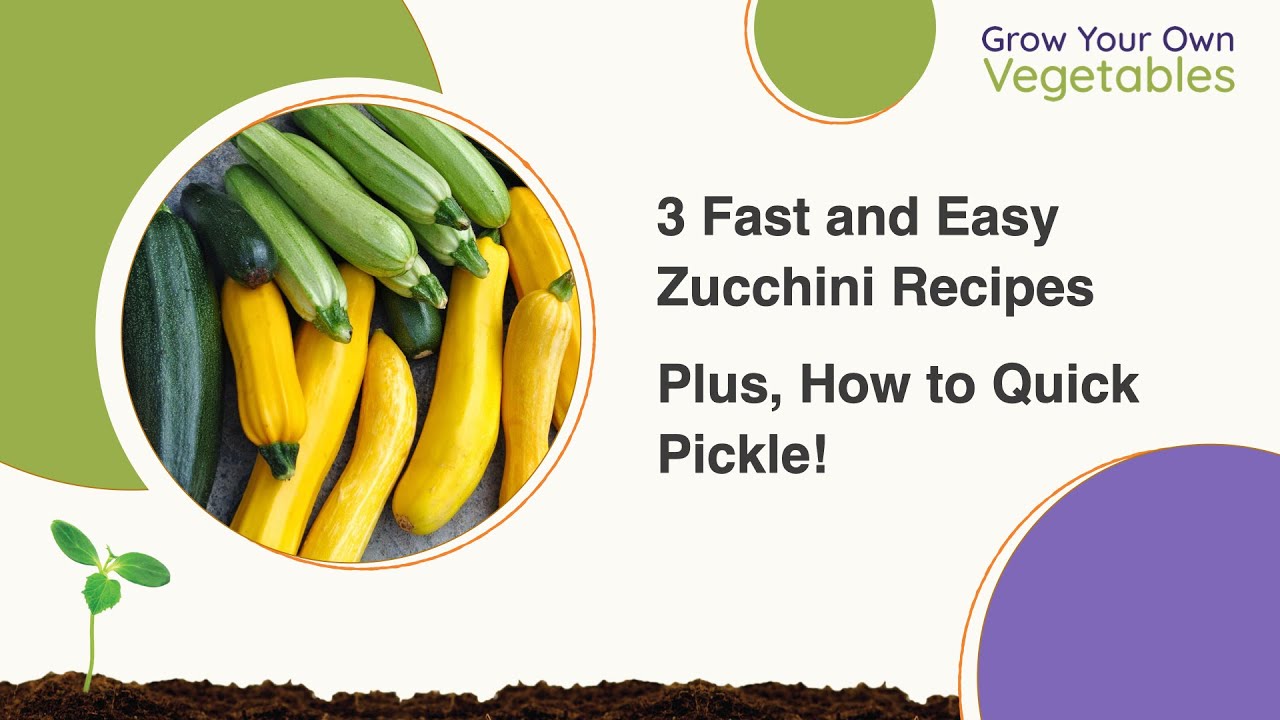
3 Fast and Easy Zucchini Recipes + How to Quick Pickle

There comes a time in every gardener’s life when you have zucchini growing out of your ears. If you’ve ever grown zucchini, you know: One day, they are just small green plants. The next thing you know, there are zucchini EVERYWHERE!

Check out my three favorite zucchini recipes. Kids love these recipes, too It’s a great way to have some family fun. I mean, who doesn’t love a crunchy pickle?!

Click here to grab the recipe book I mentioned in the video

Remember to share this link with all your loved ones, especially the next generation, so that they start great food habits young 😉

YouTube video player

Choose the Right Type of Seeds for Your Vegetable and Herb Garden

Last Updated: January 18, 2019

How do you know that what you eat is actually nutrient-rich and healthy? This is why many folks start growing their own vegetables and herbs. So you can lead a healthy lifestyle, free from weird chemicals and preservatives and free from chronic diseases, too…

Seeds are where you start your garden.

But the minute you start reading those seed packets, you see words like hybrid, open-pollinated, organic, conventional, naturally-grown, heirloom, or worse, there’s no label at all.

What do all these words mean and what do they mean for the long-term health of my body, my community, and the Earth? Is there a right or wrong one? What happens to my health if I choose the wrong one? Who can I ask that will help me understand? Aye, overwhelm!

CLICK HERE for the Quick Guide to Seeds for Your Vegetable & Herb Garden… and continue reading below for more detailed information.

Deciphering Seed Labels – 3 Main Types

The three main types of seeds are determined by HOW the seeds were grown or bred. They’ll either be Open Pollinated, Hybrid, or GMO. While it IS possible to have a combination Open-Pollinated Hybrid seed, beware of information that groups Hybrids and GMOs together. They are both man-made but VERY different!

Once we explore the three main types of seeds, we’ll dive into additional descriptions you may see, such as Heirloom, Organic, Conventional, and Naturally-grown.

Seed Type 1 – Open Pollinated

Open Pollinated means that pollinators like insects, birds or wind spread pollen and your seeds are a result of that pollination.

Why choose an Open Pollinated Seed?

While they can be a bit harder to find and more expensive, Open Pollinated seeds can produce plants that look and behave just like the parent plant. This is called “true to type.” Which is great when you have a flavor that you adore and you want to continue growing it! With ‘true-to type,’ you’ll always know what you’re going to get from your plant.

While not all Open Pollinated seeds are Heirlooms, all Heirloom seeds are classified as Open Pollinated and are passed down from generation to generation as part of a cultural heritage. If you grow Heirloom varieties, you’ll be eating almost the same exact food that your great, great grandparents ate.

But what if an ant accidentally cross-pollinates a zucchini and a pumpkin? The resulting seeds are Open-Pollinated because it happened in the wild, but they’re also a Hybrid. So while some Open Pollinated seeds are ‘true-to-type’, others are hybrids. This happens all the time in small gardens and it’s why there are so many strange and delicious variations that exist!

While these Open Pollinated anomalies are technically hybrids, a seed packet labeled as a Hybrid means people intentionally created it.

Seed Type 2 – Hybrids

Hybrid seeds (typically labeled F-1 by seed companies) refers to two plants being cross-pollinated intentionally by humans to create desired qualities like flavor, high yield, disease resistance, and heat tolerance to name a few.

Humans have been making hybrids for centuries to make it easier to grow more food with more predictability. Cross-pollinating is as simple as using a paintbrush to move pollen from one plant to another… just like honeybees.

Why buy Hybrid Seeds for your Garden?

A lot can go wrong in the garden, and Hybrids can stack the deck in your favor. If you’re just getting started growing food for the first time, you may want high-yield Hybrids to increase your odds of a successful garden.

For example, if you have a wet climate, you may want to look for tomato varieties resistant to fungal diseases. This way, you can enjoy more tomatoes each season and reduce the potential of your tomato plant succumbing to common fungal diseases like blight or leaf spot.

You can sometimes get the same effect by planting Open-Pollinated seeds and saving the seeds each year until the variety adapts to your local climate naturally. However, climatic adaptation of Open Pollinated seeds takes a couple seasons (if it even works for the variety you choose) so the man-made Hybrid can pay off in the short run.

Can you save Hybrid seeds from your garden?

If you plant your garden with hybrids and then save seeds from those plants, the next generation may or may not have the same traits you started with. It’s like when a brunette child is born from two parents with blond hair. The parent has a mixture of traits and you never know which traits will emerge in the next generation as the dominant trait.

If you like surprises, and have space to experiment in your garden, it’s fun to see what happens. But it is very unpredictable. Let’s say you let two tomato plants sprout from hybrid seeds. One of them might produce very little fruit that is similar to the fruit from the hybrid, and the other might give you a good amount of delicious fruit that looks and tastes nothing like the original hybrid.

So you CAN save hybrid seeds… just know you’re in for a surprise!

Seed Type 3 – How are GMOs different than Hybrid Seeds?

The final type of seeds are GMOs, Genetically Modified Organisms. Most recently, these seeds have been rebranded as BE (bio engineered) seeds. GMOs cannot happen in nature. GMO’s require a high tech gene splicing lab where the DNA of the seed itself is altered.

So any comparison that conveys Hybrids are similar or no different than GMOs is completely inaccurate.

Also, whereas Hybrids cross two related plants, GMOs cross genes from different kingdoms! Many GMOs splice bacteria genes with plant genes with the goal that these plants can later be sprayed with toxic herbicides and pesticides without the plant itself dying.

Part of the process that goes into creating GMO’s entails blasting these genes with antibiotics to kill unwanted cells. This creates an antibiotic resistant plant.1

Because of the uncertainty of the health risks of GMOs, many home gardeners choose to grow NON-GMO.

How to avoid GMO seeds in your garden:

It’s easier than you think to keep GMOs out of your home garden! While there are many additives, enzymes, flavorings and processing agents that are GMO’s, there are currently only ten plants that have GMO versions on the market: corn, cotton, soybeans, alfalfa, papaya, zucchini & summer squash, sugarbeets, canola, potato and apple.2

When you’re ordering seeds, take a look: many seed companies that serve the home garden market have agreed not to sell GMO’s by taking the Safe Seed Pledge. Currently, the only company that we’ve seen supplying GMO seeds to gardeners is Semini Brand seeds (a subsidiary of Monsanto). If you look at the Semini website, the GMO versions of Summer Squash and Corn are all labeled “B” for Biotech.

Note when this article was last updated (see top). If we hear of new GMO’s on the market, we’ll update here. And pleas Contact Support@GrowYourOwnVegetables.org with new developments that you hear about to help us keep this up to date.

So what about Organic, Non-GMO, Conventional and Naturally Grown Seeds?

Now that you know HOW each of the three types of seed was created, you might see one of these other terms on a seed packet. And you may have already seen these labels on the food you buy at the grocery store, too.

Why Conventional and Naturally-Grown mean nothing

There are no standards or checklists for these words to be used on seed packets. Naturally-Grown might sound like a good thing… but it means nothing. And conventional is just a word that people use to describe what is not certified Organic.

So if Conventional and Naturally Grown mean nothing, what is Organic?

Organic seeds are harvested from certified organic plants. This means the parent plant has met the organic requirements for that territory or region. In the United States, you will see the USDA Organic label which prohibits certificate holders from using non-organic sprays and GMO’s. So in the U.S., there is no such thing as an Organic GMO.

And just like food, there are seeds grown organically, but not certified, because the certification process is costly. Typically a seed company will tell you when that is the case. However, they have no way to prove that the seeds are actually organic.

If you want more information about your seeds, simply ask the company. If they hesitate to answer or you don’t feel comfortable with their answers, look for other companies who are happy to answer your questions.

If you buy Conventional seeds and grow them organically, is your food organic?

So why not just buy the cheaper conventional seed and grow it organically? Well you could. And with the addition of non-GMO labels (like Project Verified NON-GMO), many people are happy doing just that. There’s various research about how much or how little toxins are left over in seeds of a plant that’s grown conventionally. You just never know.

The advantage of buying Certified Organic seeds is based on principle. You’re voting with your dollars and supporting organic practices. Plus, you know what you’re getting.

What kind of seeds will you grow in your vegetable garden?

Most home gardeners grow a mixture of Open-Pollinated, Hybrid and Heirloom seeds. The decision typically comes down to taste, preference, and values. And those may change from season to season.

But now that you know what the labels on your seeds packets mean, you can make educated decisions on your way to becoming a steward not only of the land but your long term vitality.

Want a simple chart to remind you of all the differences? CLICK HERE for the Quick Guide to Seeds for Your Vegetable & Herb Garden

Sources:
Smith, Jeffrey M., and Michael Meacher. Seeds of Deception: Exposing Industry and Government Lies about the Safety of the Genetically Engineered Foods You’re Eating. Paperback, 7th Printing ed., Green Books, 2003.

“Benefits of GMOs and Biotechnology.” Monsanto, monsanto.com/innovations/biotech-gmos/.