3 Tips to Maximize Harvests & Simplify Your Garden Routine

If your garden ever feels chaotic or overwhelming, you’re not alone. Between planting, managing pests, and trying to stay on top of every season’s needs, it can easily get out of control. The key to smooth gardening is a solid plan. Imagine knowing exactly what to plant, where to plant it, and when to plant it—without all the guessing and stress. By organizing ahead of time, you can enjoy the growing season with confidence. Let’s dive into how you can maximize your harvests and simplify your garden routine.

If you’re a dedicated grower and you want to master crop planning we have a 3 in 1 course bundle that shows you how to grow hundreds of dollars of produce in the space the size of an SUV! To get that, CLICK HERE.

1. Be Ready with Materials Before the Season Starts

Getting your materials together before the season kicks off is a game changer. Whether it’s compost, soil amendments, planting beds, or seeds, have everything on hand so you’re ready when the season begins. This means you won’t be running around scrambling to find what you need when the planting window opens.

Why does this matter? Timing is everything. For instance, peas mature in 50 days, but they stop growing when the temperature hits 75°F. To get the best harvest, you need to plant them early enough in the season, such as the beginning of April if you live in a cooler climate like New York. The more prepared you are ahead of time, the smoother your growing season will be.

2. Plan Your Planting for Maximum Harvest

Would you rather watch than read

‘3 Tips to Maximize Harvests & Simplify Your Garden Routine’?

Watch the video at the bottom of this post instead!

3 Tips to Maximize Harvests & Simplify Your Garden Routine - Vegetable Basket

One of the smartest ways to get more out of your garden is by planting to maximize every space. You can do this by calculating how much time it takes for plants to mature and planning accordingly. For example, arugula matures in just 42 days, which means you can grow it multiple times in a season. By timing it right, you could harvest arugula up to four times!

Fill every available space in your garden, even smaller areas, with quick-growing crops. This approach ensures that your garden produces as much as possible throughout the season, giving you a constant harvest.

3. Save Money with Bulk Seed Purchases

Buying seeds in bulk is a great way to save money while planning for multiple seasons. When you know exactly how many seeds you need, buying in bulk helps lower the cost per pound. Plus, you can purchase extra seeds for next season, so you’re always ahead of the game.

This strategy is especially useful for crops you plan to grow every season, like tomatoes or lettuce. It’s a cost-effective way to ensure you have everything you need for your garden without constantly buying smaller packets each year.

3 Tips to Maximize Harvests & Simplify Your Garden Routine - Bulk Seeds

The growing season doesn’t have to feel overwhelming or chaotic. With a bit of preparation and smart planning, you can maximize your harvests while simplifying your gardening routine. By being ready with materials ahead of time, planning your planting for maximum yield, and saving money with bulk seed purchases, you’ll enjoy a more efficient and productive garden. Start now, and watch how much smoother the entire gardening process becomes!

Would you rather watch than read?

Watch the video below instead!

This online course bundle gives you everything you need to succeed—with Done-for-You templates that you can every year.

credit card icons

For your security, all orders are processed on a secured server.
Your purchase is protected by our 1 year money back guarantee.

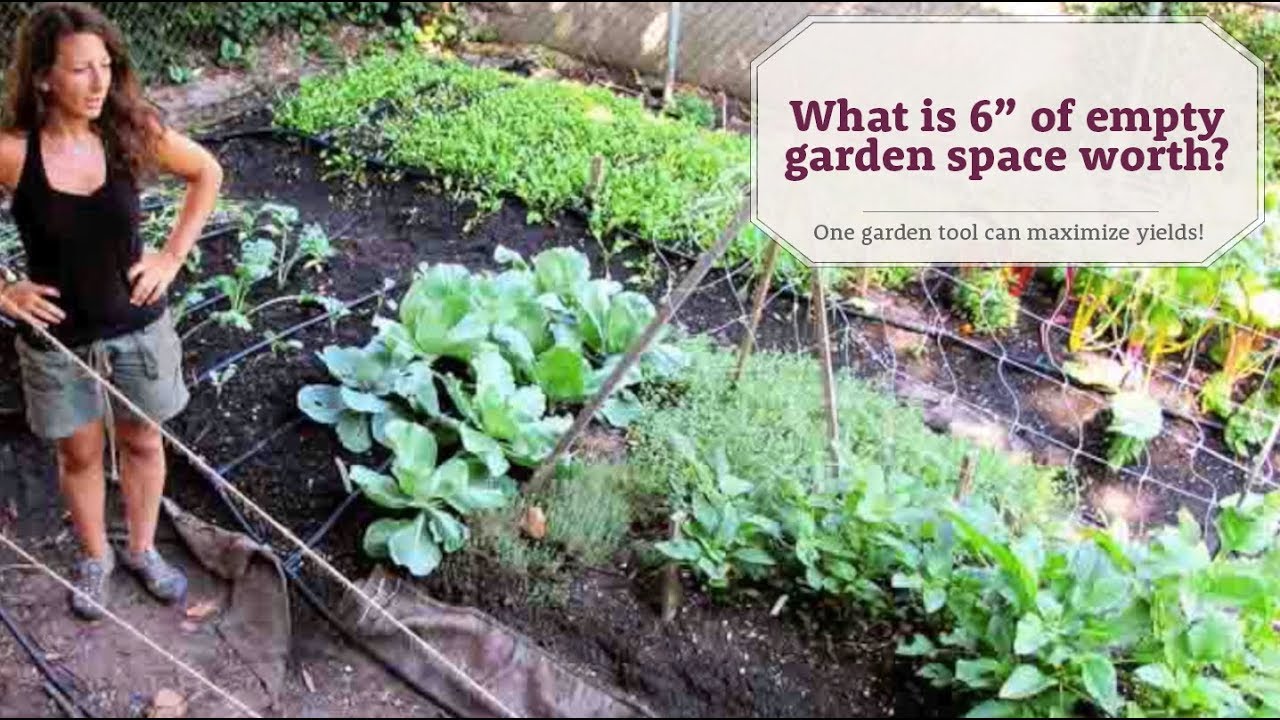
What 6″ of Empty Garden Space Costs You

Your garden is full of potential, but even six inches of unused space can make a surprising difference in your harvest. Discover what 6″ of empty garden space costs you.

Small Space, Big Impact

Six inches of garden space might seem insignificant, but it can yield an impressive amount of fresh produce. Imagine turning that small patch into a pound of carrots, five heads of lettuce, or two pounds of radishes. That’s food on your plate and money saved at the store. Each inch in your garden has the power to nourish you and your family.

Would you rather watch than read

‘What 6″ Empty Garden Space Costs’?

Watch the video at the bottom of this post instead!

What 6" of Garden Space Costs - Leafy Veggies with Roots

Fight the Weeds, Grow More Food

Empty spaces in your garden don’t stay empty for long. Weeds will quickly take over, stealing nutrients and sunlight from your crops. These invaders signal an opportunity—a chance to grow more food instead. By filling those gaps, you’ll reduce weeds and boost your harvest. Every inch counts when it comes to maximizing your garden’s output.

Calculate Your Garden’s Potential

Look at your garden and count the six-inch gaps. How much could you grow in that space? Six pounds of pac choi? Two and a half pounds of chard? The possibilities are endless. Start planning your crops today to unlock your garden’s full potential. Each little section adds up to a more abundant harvest.

Make a Crop Plan

What 6" of empty garden space costs -  Choose Your Crops

Planning is key to success. Map out your garden and identify the empty spots. Think about what you can grow now and what can follow after harvesting. This rotation keeps your garden productive all season long. A crop plan ensures every inch works for you, not against you.

Stay on Schedule

Mark planting, transplanting, and harvesting dates on your calendar. Weekly reminders keep you on track, so you never miss a step. Tending your garden regularly ensures those six-inch spaces stay productive. The time you invest now pays off with a harvest you’ll enjoy for months.

Every six inches of garden space has value. Whether it’s carrots, lettuce, or herbs, those tiny gaps can translate into big rewards. By planning, planting, and maintaining your garden, you’ll reduce weeds and enjoy a more abundant harvest. Don’t let even a single inch go to waste—your plate and wallet will thank you!

Would you rather watch than read?

Watch the video below instead!

What does 6

If you’re looking for the Register button mentioned at the end of the video… here’s that link: https://growyourownvegetables.org/cropplan/

Escape Overwhelm in Your Garden… Here’s How!

Gardening should bring joy, not stress. If your garden feels like more work than reward, it’s time to shift your mindset. By focusing on one step at a time and setting aside what’s not urgent, you can create a space that’s manageable and enjoyable.

Would you rather watch than read? Watch the video at the bottom of this post instead!

Start with a List

Begin by listing everything you think you need to do in your garden. Everything from redesigning garden beds to planting new varieties. All your tasks go on this list.

Then, to free yourself to focus on what needs done today, title that page, “what I’m not doing right now” list. This approach clears mental clutter and keeps you from feeling overwhelmed. Don’t worry, the list will be there waiting for you for when YOU are ready. You can revisit these items when you’re ready—no guilt, no rush.

The “What I’m Not Doing Right Now” List

 The “what I’m not doing right now” list is a game-changer. Often, a to-do list ends up shackling us, making us feel unaccomplished and overburdened. Your to-do list is supposed to serve you, free you from feeling like you have to remember everything. So titling this list, ‘what you’re not doing right now’ is a good reminder that you are not beholden to your list… the list is there when you are ready for it. 

Focus on One Task at a Time

Then you’ll take a blank piece of paper and title this “to-do” list. You’ll move just one task to that page at a time. This is ONLY for immediate task—focus on just one at a time. Everything else goes on the “what I’m not doing right now” list to revisit later.

Overwhelm often comes from trying to tackle too much at once. Pick one task from your “to-do” list that will make the biggest impact. For example, start with watering your garden. Keeping plants hydrated is essential and sets the foundation for success. Once that’s handled, move on to another priority like planting or weeding—one step at a time.

Escape Overwhelm in Your Garden - Overwhelm

Keep the Basics in Mind

When you’re unsure where to start, stick to the basics. Water your garden, ensure plants get enough sunlight, and focus on your ultimate goal—getting food on your table. Let this simple priority guide your actions. Don’t worry about perfection; thriving plants come from consistent, basic care.

Create Relaxation Zones

Even as you tackle your “to-do” list, remember to enjoy your garden. Dedicate areas for relaxation, like a bench under a tree or a small patio space. These zones remind you to pause and savor your progress. They’re a reward for your hard work and a reminder that gardening is about more than chores.


Escape Overwhelm in Your Garden - Garden Bench

Keep It Manageable

Your garden doesn’t have to be perfect, and neither does your routine. Focus on what brings you joy and tackle tasks one step at a time. By maintaining a “to-do” list and a “what I’m not doing right now” list, you’ll stay organized and reduce stress. This mindset can transform your gardening—and your life—into something far more fulfilling.

Simplify your approach, focus on small wins, and let go of the rest for now. Your garden will thrive—and so will you. 

Want to learn more strategies and tips to reduce overwhelm? 


Create Your 3 Garden Journal Spaces

Download the 3 Journal Modes eguide so you can create more garden abundance!

Would you rather watch than read? Watch the video below instead!

In the comments below, let us know what makes you feel overwhelmed. What kinds of things in your garden are hard to put aside?


Plan for Short & Long Term Garden Success

As the growing season winds down, your garden can still thrive. Instead of leaving your soil bare or wondering what to plant next, you can enjoy a bountiful harvest and enrich your soil at the same time. Here’s how to plan for Short & Long Term Garden Success!.

Would you rather watch than read

‘Plan for Short & Long Term Garden Success’?

Watch the video at the bottom of this post instead!

Why Choose Between Fall Crops and Cover Crops?

Why settle for one when you can do both? Fall crops like arugula, radishes, and kale keep your harvest going as the temperature drops. At the same time, cover crops such as crimson clover, hairy vetch, or winter rye protect and nourish your soil. By combining these strategies, you create a garden that works hard for you year-round.

Maximize Your Soil’s Health for Garden Success

'Planning for Short & Long Term Garden Success'? - Row being Planted

Cover crops play a crucial role in maintaining soil fertility. As they grow, their roots aerate the soil, preventing compaction and reducing erosion. Legumes like Austrian winter peas add nitrogen to the soil, while grasses such as oats improve organic matter. Chop and drop these crops at the end of the season, and they transform into nutrient-rich mulch, ready for your next planting.

Start with Undercropping for Garden Success

Undercropping is a simple way to prepare your garden for fall. Scatter cover crop seeds beneath your mature plants before they’re finished. As the season ends, cut the mature plants at the base, leaving the undercrop to thrive. For example, plant crimson clover beneath tall crops like leeks or fava beans. By the time the frost arrives, your cover crop will already be established.

Don’t Overthink Planting

'Planning for Short & Long Term Garden Success'? - Crimson Clover Field

Planting cover crops is easy and forgiving. Sprinkle seeds evenly over your garden at about one ounce per 50 square feet. Water them well and keep the soil moist to encourage germination. There’s no need for precision—just spread the seeds, and let nature do the rest.

Enjoy the Best of Both Worlds

Combining fall crops with cover crops gives you a garden that produces food while preparing for the next growing season. You’ll enjoy fresh, cool-weather vegetables and improve your soil’s structure and fertility at the same time. This dual approach means less work for you in the long run and a healthier garden year after year.

Maximizing your garden’s potential doesn’t have to be an either-or decision. With fall crops and cover crops working together, you’ll harvest more, enrich your soil, and create a sustainable garden system. Ready to give it a try? Your garden—and its soil—will thank you.

Would you rather watch than read

‘Plan for Short & Long Term Garden Success’?

Watch the video below instead!

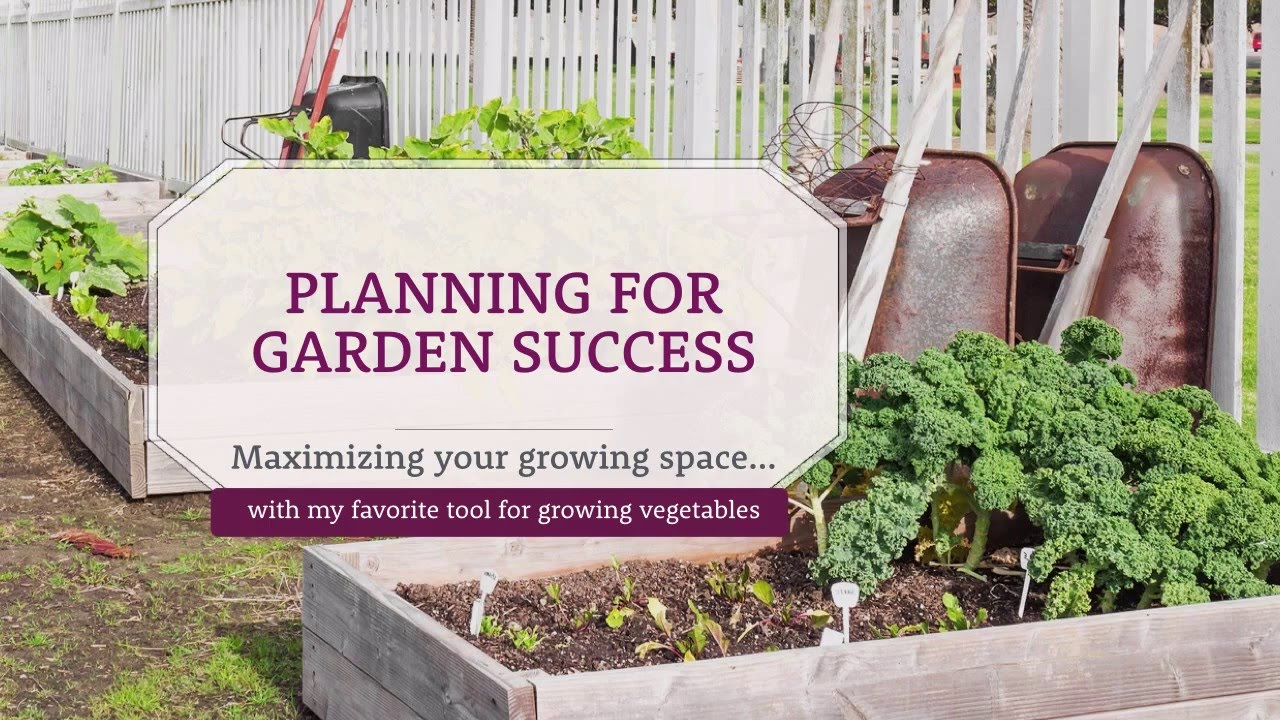
Planning for Garden Success: Maximizing Growing Space with my Favorite Tool

One Crop Rotation Rule to Prevent Diseases in Your Garden

Plan your plants to prevent disease in your garden!

When you’re thinking about what to plant where this year, you should be thinking bigger picture—what crop rotations each year will help you prevent the kinds of diseases that wipe out all your hard work and your harvest.

By following a simple rotation rule, you can avoid costly mistakes, protect your harvest, and keep your garden thriving year after year.

Would you rather watch than read? Watch the video at the bottom of this post instead!

Why Crop Rotation Prevents Disease

Planting the same crop in the same spot every year invites trouble. Diseases like black rot (affecting cabbage, kale, and collards), late blight (a common tomato killer), and bacterial wilt (a threat to cucumbers) thrive when crops stay in one place. Rotating crops breaks the life cycle of these pathogens, reducing their impact on your garden.

Group Crops by Family

To effectively use crop rotation, start by grouping your crops into families. For example:

  • Brassicas: Cabbage, kale, collards
  • Nightshades: Tomatoes, peppers, eggplants
  • Cucurbits: Cucumbers, squash, melons

Rotating these families to different beds each year ensures that diseases don’t get a chance to establish a stronghold in your soil.

Shift Beds Annually

Once you’ve grouped your crops, make a plan to shift their location each year. For example, if you grow cabbage in one bed this year, plant cucumbers or another crop family in that bed next year. This movement disrupts the disease cycle and keeps your plants healthier.

Address Inevitable Pests

While crop rotation significantly reduces disease pressure, pests can still pop up. Rotating crops makes it harder for pests to locate their preferred plants. For example, if cucumber beetles find your cucumbers one year, moving cucumbers to another bed the next year forces them to search for their food elsewhere, giving your plants a break.

By rotating crops and shifting beds, you can lower these threats and enjoy a productive, disease-free garden. Take the time to plan your crop rotation now, and you’ll be rewarded with healthier plants and bigger harvests.

Would you rather watch than read? Watch the video below instead!

One Crop Rotation Rule to Prevent Diseases in Your Garden

If you would like more in-depth instruction on planning your garden for success, check out our Crop Planning course. It’s a sure fire way to feel more in control of your garden every time you plant.

What crops do you like to rotate? Let us know below!