Fix Leggy Seedlings with These Simple Tips

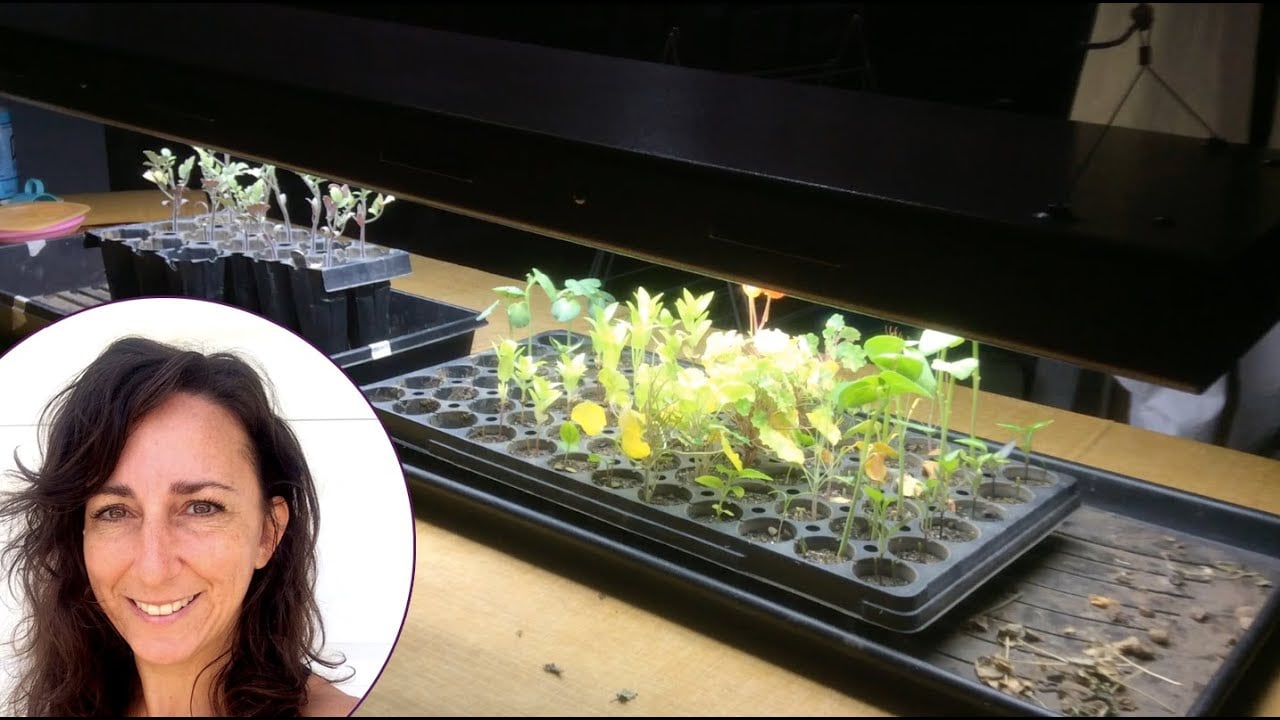
Growing seedlings indoors can be a rewarding experience, but it can also come with its challenges. If you’ve noticed your seedlings turning leggy (overly tall stems that bend over from the weight of the tiny leaves), wilting, or even turning purple, don’t worry—you’re not alone. These signs often indicate that something is off in your growing setup. Let’s break down what might be causing the issue and how you can fix it.

Would you rather watch than read

Fix Leggy Seedlings with These 3 Simple Tips?’

Watch the video at the bottom of this post instead!


The Mix to Fix those Leggy Seedlings

Fix Leggy Seedlings with These Simple Tips - 5 strong kale seedlings laid out on the dirt ready to plant.

One of the most common mistakes when starting seedlings indoors is using a poor-quality seed starting mix. A good mix is essential for seedling health. You want a well-draining, nutrient-rich medium to encourage strong root development. My go-to recipe is 4 parts screened compost, 1 part perlite, 1 part vermiculite, and 2 parts coconut coir. This combination ensures proper aeration and moisture retention without the risk of sogginess.

If you’re only using coco coir or peat moss (like the pods) to grow your seedlings, you need to know that these substrates have no nutrition for your seedlings. So your seedling will grow to the first set of leaves (the cotyledons) but quickly die thereafter from lack of nutrition. To keep your seedlings strong, you’ll need to add liquid nutrients.

Optimal Lighting for Seedlings

Seedlings require ample light to grow strong and healthy. Without it, they become leggy, stretching toward the light source. If you’re growing indoors, consider using grow lights for 12-16 hours per day minimum. Place the light source close enough to prevent stretching but far enough to avoid burning the delicate seedlings. 

Managing Algae Growth

Fix Leggy Seedlings with These 3 Simple Tips - 5 strong kale seedlings laid out on the dirt ready to plant.

Algae thrives in moist, warm environments and can quickly overtake your seedlings. While not directly harmful, algae can steal nutrients from the soil and impede seedling growth. To prevent this, keep the top of the soil free from excess moisture and ensure your growing area has proper airflow.

Recommendations for Healthier Seedlings
By following these steps—starting with the right soil mix, providing adequate light, avoiding overwatering, and managing algae—you’ll give your seedlings the best chance to thrive. 

If you notice persistent issues, consider adjusting your setup. Every plant is unique, and fine-tuning your approach will lead to better results. Take the time to evaluate your setup and make adjustments where needed. Happy growing!


Would you rather watch than read

‘Fix Leggy Seedlings with These 3 Simple Tips?’

Watch the video below instead!
Growing Seedlings Indoors: Case Study in Brooklyn

Meet Martha: The Joy and Magic of Gardening with Kids

Big news ahead! We’re only days away from releasing the Joyful Garden Docuseries. Before we dive into that exciting journey, let’s hear a fun story from Martha, a valued member of our Grow Your Own Vegetables community. What’s Martha all about in this video? Gardening with Kids. It’s magical.

Martha, a retired gardener from Ontario, is living the dream of nurturing her garden and sharing the joys of gardening with her grandkids.

Watch the video at the bottom of this post instead to hear Martha’s story directly!


Gardening with Kids: A Special Connection

Meet Martha: The Joy and Magic of Gardening with Kids - Grandma and Grandchild planting red flowers

Martha’s love for gardening shines through when she shares how her granddaughter has enjoyed the garden from an early age. Even at just two years old, her granddaughter knew exactly where the carrots were growing and would eagerly pull them right from the ground and munch on them. “They taste so much better than what you buy,” Martha says with a smile.

This connection to fresh, homegrown food is one of the true joys of gardening. It’s not just about the harvest – it’s about the experience of nurturing something from the earth, watching it grow, and then enjoying the fruits of that labor.

Gardening with Kids: A Garden to Call Her Own

Martha’s granddaughter now has her very own little garden plot. She grows tomatoes, cucumbers, and anything else she can imagine. Martha explains that these plants are “things she wants to grow,” which helps make the garden experience feel personal. What you choose to grow impacts how you connect with your garden – and this is a great way to teach kids the importance of caring for something.

Gardening also creates a sense of independence. Her granddaughter is learning how to take ownership of her own little patch, fostering both pride and responsibility.

The Taste of Fresh, Homegrown Food

Meet Martha: Experience More Joy From Your Garden — Grandma and Grandchild standing in front of garden greens

There’s something magical about walking outside and picking vegetables directly from the garden. For Martha, it’s not just about growing food; it’s about the quality and taste. “You just walk out the door and get what you want,” she explains. Homegrown produce, like tomatoes and cucumbers, is often more flavorful than store-bought alternatives. Plus, there’s no rush or stress; it’s simply a joy to pick what you need when you need it.

This sense of convenience combined with the satisfaction of growing your own food makes gardening even more rewarding.

Gardening with Kids: Experience Joy and Connection

Martha’s story is a reminder of how gardening can strengthen bonds, create memories, and offer unique experiences for you and your family. Whether you’re growing food with kids or simply enjoying some time in nature, gardening brings pure joy.

Martha’s story invites you to reflect on your own garden experience and perhaps inspire you to share it with others. Gardening offers so much more than food; it gives you an opportunity to connect with nature, enjoy quality time with loved ones, and witness the beauty of growth in every season.

So, what’s stopping you from starting your own garden? Take a moment to enjoy the simple, joyful process of growing something beautiful with those you love!

Would you rather watch than read ‘Meet Martha’?

Watch the video below instead!
Share in the comments below:
How your garden brings you joy.

Unveiling Strategies and Mindsets to Thrive in Your Garden

Gardening is more than just planting seeds and watching them grow. It’s a process that requires the right garden strategies & mindsets to truly thrive. Whether you’re a seasoned gardener or just starting out, understanding how to approach your garden with care, attention, and patience will set you up for success. In this guide, we’ll explore how you can create a thriving garden by focusing on essential strategies and nurturing the right mindset.

Set Clear, Achievable Goals for Your Garden

Unveiling Strategies and Mindsets to Thrive in Your Garden - Goal Setting

Start by setting specific goals for your garden. Do you want a lush vegetable garden, vibrant flower beds, or a serene outdoor space? Having clear objectives will keep you focused and motivated. Break these goals down into smaller, manageable tasks. Instead of saying, “I want a beautiful garden,” aim for something concrete, like “I will plant five new flower varieties this spring.” This approach keeps you moving forward and helps measure progress.

Embrace Patience and Flexibility

Gardening is a journey that takes time. Plants don’t grow overnight, and sometimes, things don’t go as planned. Whether it’s unexpected weather or pest issues, challenges are part of the process. By adopting a patient mindset, you give your plants—and yourself—space to grow and adjust. Flexibility allows you to make changes along the way without feeling defeated. Remember, a healthy garden requires constant learning and adapting.

Build a Routine and Stay Consistent

Unveiling Strategies and Mindsets to Thrive in Your Garden - Routine Setting

Consistency is key to a thriving garden. Create a regular schedule for watering, pruning, and monitoring your plants. This doesn’t mean you have to work in the garden every day, but aim for steady attention over time. A weekly check-in will help you catch problems early, like pests or disease, and will keep your garden on track. This routine also gives you a sense of ownership and fulfillment as you watch your plants grow and develop.

Cultivate a Positive Garden Mindset

Gardening can sometimes be frustrating, especially when things don’t go according to plan. However, maintaining a positive attitude helps you stay motivated. Each setback is an opportunity to learn and improve. Celebrate the small victories, like the first bloom or a bountiful harvest. By staying optimistic, you’ll continue to find joy in the process and stay connected to nature.

A plant seed sprouting with street sign post and the signs THRIVING, GROWING, and WINNING

Learn from Experience and Experiment

Your garden is a constant learning experience. Pay attention to what works and what doesn’t. Maybe a certain plant thrives in one area but struggles in another. Test different strategies, and don’t be afraid to make mistakes. Experimenting helps you discover what suits your space and your gardening style. Over time, this knowledge will empower you to make better decisions and foster a more resilient garden.

Gardening isn’t just about planting—it’s about creating a thriving environment for your plants and yourself. By setting clear goals, embracing patience, building a routine, staying positive, and experimenting, you can unlock your garden’s full potential. Remember, gardening is a long-term commitment, but the rewards are worth the effort. Stay dedicated, and you’ll watch your garden flourish year after year.

Get the Guide on Creating a Garden that THRIVES!

Guide to a Garden that Thrives! eGuide

Rediscover Your Garden Joy This Season

Gardening is one of those timeless activities that brings peace, satisfaction, and a sense of accomplishment. Yet, it’s easy to lose sight of the joy it once brought, especially if you’ve faced setbacks or busy routines. If your connection with your garden feels distant or lost, it’s time to rediscover that spark. Whether you’re a seasoned gardener or new to the practice, here are a few simple steps to rediscover your garden joy.

Upclose view of a vegetable garden with JOY spelled out on rocks

1. Start Small and Set Realistic Goals to Rediscover Your Garden Joy

If gardening has felt overwhelming lately, it’s time to simplify. Start with a small project or area, such as a few pots or a raised bed. Break down your gardening tasks into manageable steps. Planting just a handful of flowers, herbs, or vegetables will give you a sense of achievement without feeling like a burden. Setting small, realistic goals can help you reconnect with the joy of watching things grow without the pressure.

2. Experiment with New Plants 

One of the most exciting aspects of gardening is discovering new plants and watching them thrive. If you’ve been sticking to the same plants year after year, challenge yourself to try something new. Maybe you’ve always wanted to grow a fragrant herb garden or a colorful wildflower patch. Experimenting with new plants can bring fresh excitement and remind you of the wonder of gardening. Explore different textures, colors, and even types of plants that you’ve never tried before.

3. Focus on the Senses to Rediscover Your Garden Joy

Upclose view of a vegetable garden with JOY spelled out on rocks

Gardening is a full-sensory experience. When you reconnect with your garden, focus not only on how it looks but also on what it feels like, smells like, and sounds like. Take time to notice the rustling of leaves, the scent of freshly cut grass, or the soft soil between your fingers. Engaging your senses in this way allows you to appreciate your garden on a deeper level and brings you back to the simple joys of spending time outdoors.

4. Incorporate a Relaxation Area

Your garden isn’t just for planting—it’s also a space for relaxation. If you haven’t already, create a peaceful corner in your garden where you can sit, unwind, and simply enjoy the surroundings. A bench under a tree or a hammock between two posts can serve as the perfect spot to take a break and reflect. This addition to your garden creates a space that invites you to enjoy the process and the present moment rather than just focusing on the tasks.

5. Share Your Passion to Rediscover Your Garden Joy

Gardening is more enjoyable when shared. Invite a friend or family member to join you in the garden, whether it’s for a planting session or just to appreciate the beauty you’ve created. Sharing your space can reignite your passion and remind you of the joy gardening can bring to others. 

Rediscovering your garden joy doesn’t require a complete overhaul or drastic changes. By starting small, trying new plants, engaging your senses, creating a relaxation space, and sharing the experience with others, you can rekindle the spark that gardening once brought. Whether you’re planting your first flower or redesigning your whole garden, the joy is in the process and the moments you spend connecting with nature. So, take a deep breath, step outside, and rediscover the beauty of your garden today.

Let us know in the comments what brings you JOY in your garden and how you reconnect!

Your #1 Lesson to Growing Food Learned By Helping Thousands of People Grow Food

Gardening isn’t just about putting seeds in the ground. It’s about understanding the unique challenges your plants face and helping them thrive despite those obstacles. You might think your garden struggles are insurmountable. But after helping thousands of people around the world grow food, there’s one lesson that stands out. Your #1 Lesson to growing food is that plants want to grow, and with the right approach, you can help them do just that. Here’s how you can overcome common gardening challenges and nurture a thriving garden.

Would you rather watch than read

‘Your #1 Lesson to Growing Food’?

Watch the video at the bottom of this post instead!


Your #1 Lesson to Growing Food Mindset #1 – Plants WANT to Grow… and Will Almost ANYWHERE!

Your #1 Lesson to Growing Food from teaching thousands of people around the globe - Plants want to grow in cityscape

Plants are simple at their core. They need water, light, nutrients, and space to grow. But the challenge comes when those needs aren’t being met in the way they should. Are you struggling with extreme weather conditions, hard soil, or poor plant growth? Your first step is to think like a plant. What does it need to survive in your environment? If your soil is too dry or hard, amend it with organic matter. If it’s too cold, try using row covers or greenhouses. Every challenge can be solved by understanding the specific needs of your plants.

Your #1 Lesson to Growing Food Mindset #2 – Patience is Key

When it comes to growing food, the best advice is to start small and be patient. You might feel tempted to rush the process or jump into complex solutions. But real success comes from baby steps. If a plant isn’t thriving, it’s often a sign that it needs just a little more care or attention. Don’t be afraid to experiment. You can tweak your approach as you learn more about what works. Over time, you’ll build a deeper understanding of your plants and their needs.

Your #1 Lesson to growing food – Commitment to Problem Solving

Your #1 Lesson to Growing Food from teaching thousands of people around the globe - Light bulb

Gardening is all about figuring things out. Sometimes, the answers don’t come quickly, and it may seem like the challenges are endless. However, commitment to solving those problems is the key to success. Every grower, no matter where they are, faces setbacks. But those who keep working, learning, and adapting are the ones who ultimately succeed. As you face challenges, remind yourself that persistence is part of the process. The solution is often just around the corner.

Your #1 Lesson to Growing Food Mindset #3 – Tap Into Gardening Wisdom

For generations, gardeners have passed down wisdom about how to grow food in all kinds of conditions. You don’t need to reinvent the wheel. There are countless resources available to help you solve common gardening problems. Talk to other gardeners, read books, and research online. Gardening is a shared experience, and learning from others can make a huge difference. You might discover a solution you never thought of.

Your #1 Lesson to Growing Food Mindset #4 – Keep a Positive, Open Mind

Sometimes, gardening can feel like a constant battle. But remember, your plants want to grow. They just need you to help them along the way. Approach gardening with a mindset of exploration. Stay open to new ideas and approaches. The challenges you face are opportunities for growth—for you and your plants.

Your #1 lesson to growing food learned from helping thousands of people grow food is simple: plants want to grow, and with a little patience and problem-solving, you can help them succeed. By thinking like a plant, staying committed to the process, and learning from others, you’ll overcome any gardening challenge. Keep pushing forward, and your garden will thrive.

Would you rather watch than read Your #1 Lesson to Growing Food?

Watch the video below instead!