Most people think gardening is about growing vegetables. But ask experienced gardeners why they really do it, and you’ll hear something different.
They talk about joy … watching a tiny seed become food on their plate. About connection … to seasons, to their own capability, to something deeper than their daily routine. About unexpected fun … the thrill of the first tomato, laughing at squirrel raids, sharing seedlings with neighbors. And about freedom … knowing they’re not completely dependent on grocery stores, having real agency over what they eat.
Gardening addresses something beyond hunger. It fills emotional and spiritual needs many people didn’t even realize they had.
But here’s what stops most people before they start:
“I don’t have time.”
“I don’t have space.”
“My conditions aren’t right—bad soil, wrong climate, too much shade.”
These concerns feel real. And they are valid. But here’s what thousands of gardeners with the exact same limitations discovered: the deeper rewards of gardening made finding solutions feel worth it.
When you understand what gardening truly gives you, beyond the vegetables, your constraints start to matter less than the experience you’re creating.
What Gardening Really Gives You
Joy: Moments That Quiet Everything Else
There’s something profound about putting a seed in soil and watching it become food. It’s not just accomplishment … it’s witnessing a small miracle you helped create.
Gardeners talk about those few quiet minutes with their hands in dirt that somehow calm mental noise in a way meditation apps never could. The simple pleasure of picking a sun-warmed tomato and eating it right there in the garden. Watching butterflies visit flowers you planted.
These moments of joy aren’t extra, they’re often what people need most but didn’t know they were missing.
Connection: To Something Bigger Than Your Routine
Gardening connects you to the rhythm of seasons in a tangible way. You’re not just watching spring happen, you’re participating in it. Planting seeds. Watching growth. Harvesting.
It connects you to where your food actually comes from. And to your own capability. When you eat a tomato you grew from a seed, there’s this quiet moment of realizing: “I did this. I’m more capable than I thought.”
That sense of connection, to nature, to your food, to your own resilience, changes something fundamental.
Fun: The Unexpected Delight of It All
Gardening has this way of being playful, even when you’re “working.” The thrill when you spot the first tomato forming. Laughing when squirrels stage an elaborate heist of your cherry tomatoes. Experimenting with a new variety just because the seed packet made you curious.
Sharing seedlings with neighbors who become gardening friends. Sending photos of your harvest to family members. The goofy pride of growing something ridiculously large or unusually shaped.
It’s fun in a way that feeds something deeper than entertainment.
Freedom: Real Agency Over Your Food
There’s quiet power in knowing you’re not completely dependent on whatever the grocery store decides to stock or charge. When you grow even a portion of your own food, you have real agency.
You choose what to grow. How it’s grown. When to harvest it. You’re not at the mercy of supply chains or inflation or mysterious shortages.
That sense of self-reliance (even if it’s just a few meals a week from your garden) changes how you see yourself in the world. You become someone who creates, not just consumes. Someone with skills that matter.
But What About Time, Space, and Conditions?
These deeper rewards sound beautiful. But you’re still wondering: “How do I actually make this work with my limitations?”
We are here to help you discover your personal “why” for growing food—because here’s what’s powerful about that: when you’re clear on what gardening gives you emotionally and spiritually, you naturally find ways to make it work with what you have.
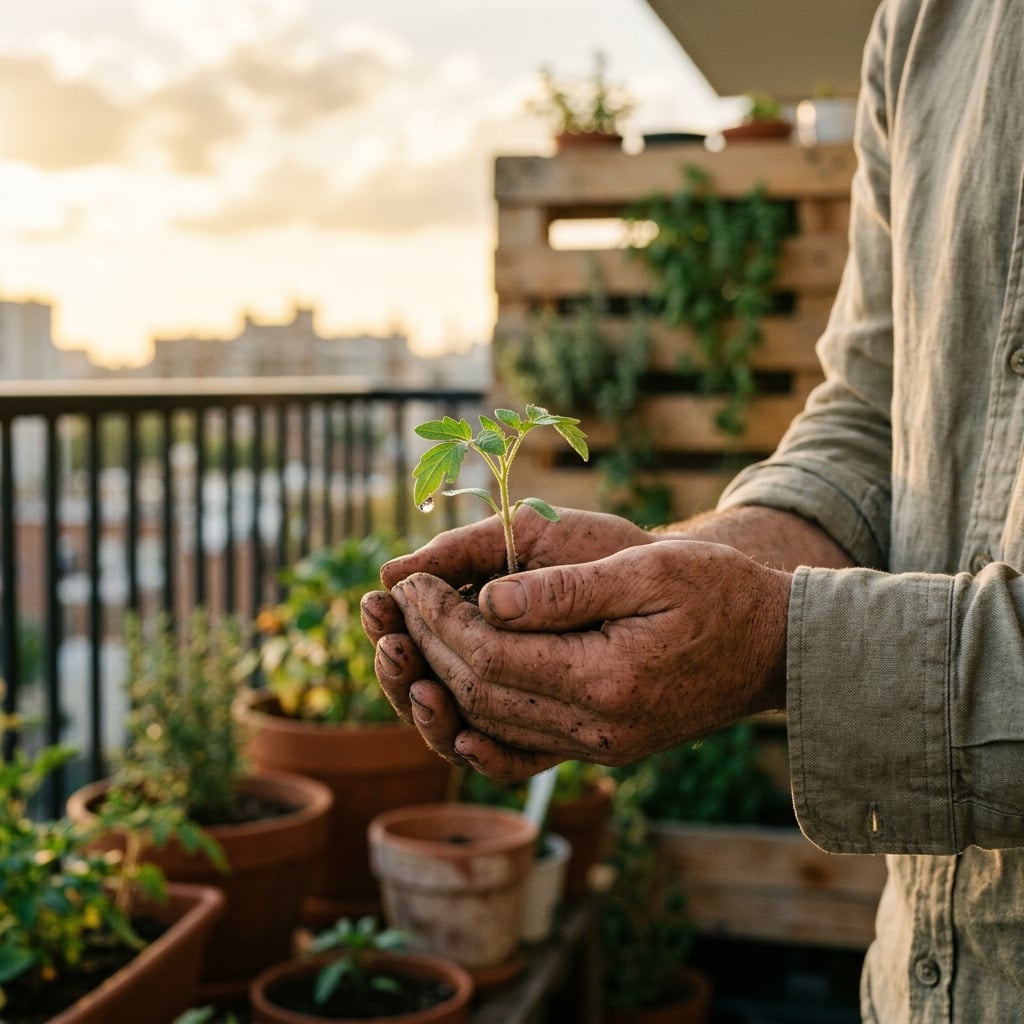
You start seeing your small balcony as enough. Your busy schedule has pockets of time you want to spend outside. Your clay soil becomes a challenge you’re curious to solve, not a reason to quit.
Why Do Many Gardeners Quit Before They Get Started
These are the most common reasons and we want to address them head on, but from a supportive angle:
Time: You don’t need more time … you need to discover what makes those minutes in the garden worth protecting in your schedule. The training helps you see gardening not as another obligation, but as something that fills you up.
One student put it this way: “I kept saying I didn’t have time to garden. Then I realized I was spending 30 minutes a day scrolling on my phone. I didn’t need more time, I needed something I actually wanted to spend time on. Gardening gave me that.”
Space: You don’t need acres. The training shows you what’s genuinely possible in small spaces … raised beds, containers, vertical growing. It’s more than you think.
Conditions: You don’t need perfect soil or climate. The training supports you in understanding how to work with your specific situation. Your limitations become simply part of your unique gardening journey.
Where Do You Get Started in Your Garden
Instead of overwhelming you with instructions on what to plant or how to build a bed, we like to start with something more foundational.
When you understand what draws people to gardening … not the harvest itself, but the way gardening makes them feel … something shifts. Your constraints become less intimidating. The path forward becomes clearer.
Start With Your Why
You don’t need more time, more space, or better conditions to discover why growing food might transform your life.
We’d like to invite you to join us for the Green Thumb Essentials online training and discover the deeper reasons people grow food, and how those reasons make your current limitations feel much less limiting.
This training will help you see gardening not as another task to accomplish, but as something that fills emotional and spiritual needs you might not have even named yet.
Your challenges are simply your starting point. The training shows you what’s possible from exactly where you are … and why it’s worth beginning.