
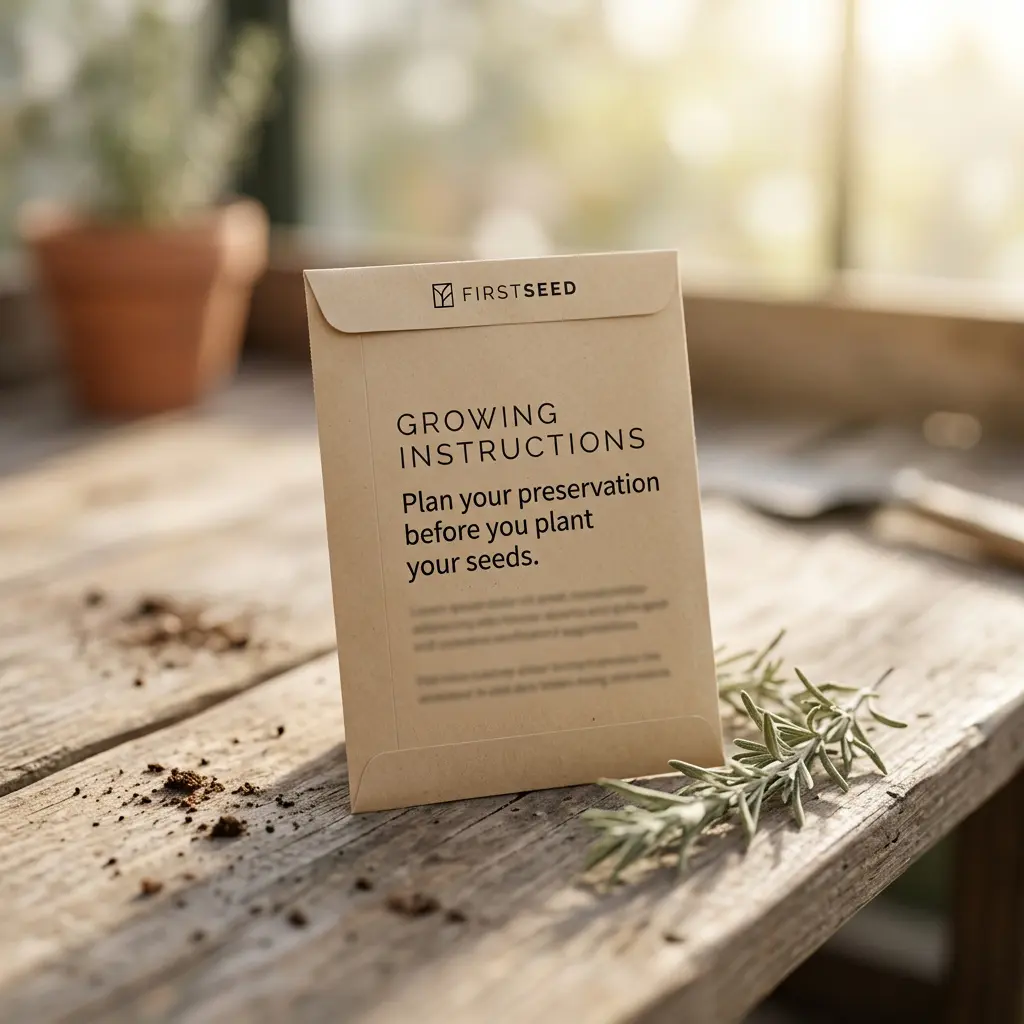
Quick Answer: The most effective way to preserve your garden harvest is to plan for preservation before you plant, choose 1-2 simple methods that fit your lifestyle (like freezing or dehydrating), and preserve small batches weekly rather than waiting for overwhelming harvests. Most vegetables can be preserved using basic equipment you already own.
If you’re growing vegetables, learning to preserve your harvest lets you enjoy homegrown food year-round. The challenge isn’t finding preservation methods—it’s integrating preservation into your garden rhythm so it feels manageable rather than overwhelming.
This guide covers the essential preservation methods home gardeners use most, how to choose which method works for each vegetable, and how to create simple systems that turn harvest abundance into winter meals.
Want the complete system? The masterclass reveals how experienced gardeners plan their gardens with preservation in mind from the start, ensuring they grow the right amounts and varieties while avoiding the harvest overwhelm most beginners face.
Register for the Preserving & Storing the Harvest” Masterclass Here
Why Plan Your Garden With Preservation in Mind?
Most gardeners think about preservation after their harvest arrives. But the most successful food gardeners plan preservation goals before planting their first seed.
Planning ahead helps you:
• Choose the right varieties: Paste tomatoes make better sauce than slicing tomatoes. Pickling cucumbers stay crunchier than standard varieties.
• Grow appropriate quantities: If you want 20 jars of tomato sauce for winter, you’ll need approximately 30-40 paste tomato plants.
• Space out harvests: Succession planting spreads preservation work across weeks instead of overwhelming weekends.
• Store without processing: Winter squash, garlic, and onions cure naturally and store for months without freezing or canning.
Even a modest garden can provide meaningful year-round eating when you preserve intentionally.
What Are the Best Methods to Preserve Garden Vegetables?
Home gardeners rely on six main preservation methods. Each has advantages depending on the vegetable, your available storage space, and how you like to cook.
Freezing preserves flavor and nutrition quickly with minimal equipment. Most vegetables need blanching first (brief boiling followed by ice water) to deactivate enzymes that cause deterioration. Green beans, broccoli, and peppers freeze especially well and maintain quality for months. Freezing works best if you have adequate freezer space and cook with frozen ingredients regularly.
Dehydrating removes moisture to prevent spoilage while concentrating flavors. Tomatoes, peppers, herbs, and greens dehydrate beautifully and require minimal storage space. A basic dehydrator offers hands-off preservation—load trays, set the temperature, and return hours later. Dried foods rehydrate quickly in soups, stews, and sauces.
Canning creates shelf-stable jars that need no refrigeration or freezer space. It requires following tested recipes carefully for food safety, but the investment of time creates ready-to-eat meals you can pull from the pantry anytime. Tomatoes, pickles, and jams are excellent beginner canning projects.
Fermenting transforms vegetables like cabbage into probiotic-rich foods like sauerkraut and kimchi. The fermentation process takes 2-6 weeks but requires minimal active time. Fermented foods support gut health and add complex flavors to meals.
Quick pickling preserves vegetables in vinegar brine stored in the refrigerator. This fast method works beautifully for cucumbers, zucchini, and other summer vegetables. No special canning equipment needed—just clean jars and your refrigerator.
Curing and storing works for winter squash, onions, garlic, potatoes, and root vegetables. After curing (a process of drying in specific conditions), these crops store for months in cool, dark spaces without any processing.
How Do You Create a Preservation System That Actually Works?
Success with preservation comes from creating simple routines, not heroic marathon sessions. Here’s how to set up systems that feel manageable:
Preserve within 24 hours of harvest. Vegetables lose sugars and quality quickly after picking. Schedule preservation time before you harvest—if you can’t preserve until evening, harvest in the cool morning and refrigerate immediately.
Batch similar work together. Dedicate one session to blanching and freezing beans. Another afternoon for making tomato sauce. Focusing on one method and one vegetable creates rhythm and efficiency.
Store equipment accessibly. Keep canning jars, freezer bags, dehydrator trays, and labels where you can reach them easily. Convenient storage removes friction from the preservation process.
Start small and build gradually. Master one preservation method with one crop you love. Next season, add another. Within a few years, you’ll have diverse preservation skills and the confidence to handle whatever your garden produces.
How Do You Use Preserved Food Throughout the Year?
Successful preservation means more than filling jars and bags—it means actually using what you preserved. These organizing strategies help:
Label completely. Include what you preserved, the date, and when it should be used by. Detailed labels help with meal planning and prevent food waste.
Organize by use. Group ingredients by how you cook—soup vegetables together, stir-fry ingredients in one section. This makes pulling together meals intuitive.
Track your inventory. Keep a simple list of what you preserved and check items off as you use them. This helps you refine next year’s garden based on what you actually enjoyed eating.
The real reward of preservation comes when you’re cooking on a February evening, pulling out ingredients you grew in July, connecting your winter table to your summer garden.
Getting Started With Garden Preservation
You don’t need to master every preservation method immediately. Choose one technique that appeals to you and one crop you love growing. Build your skills gradually through practice.
Each season, add another crop or try a new method. Within a few years, you’ll develop preservation instincts—knowing what to plant, when to harvest, and how to preserve it efficiently.
The gardeners who successfully preserve their harvests don’t have more time or better equipment. They have systems that integrate preservation into their garden rhythm from planning through harvest.
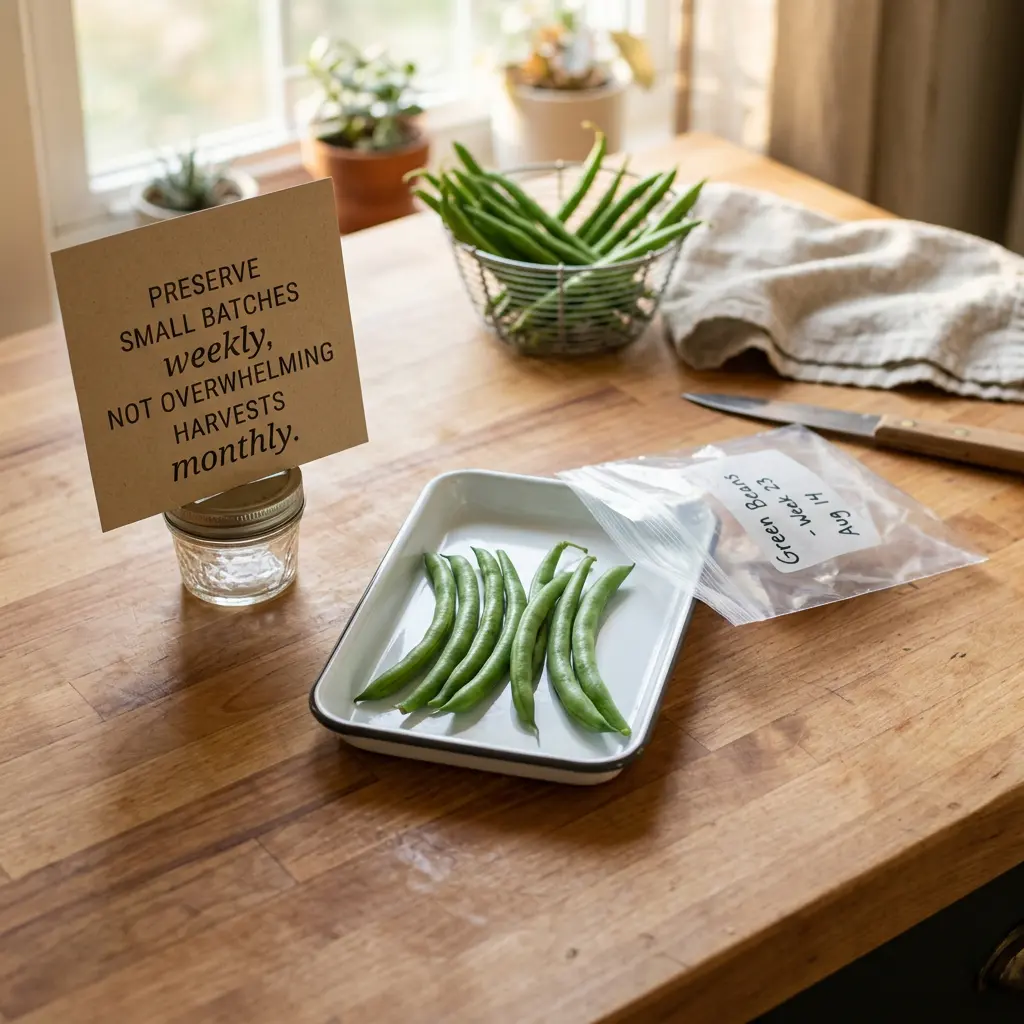
Ready to build your preservation system? The masterclass walks through the complete framework for planning your garden with preservation goals, choosing methods that fit your lifestyle, and creating weekly rhythms that keep you ahead of your harvest. Register now to discover how experienced gardeners make preservation feel effortless rather than overwhelming.




Very good i like it
I notice all were references to vegetables. Is there a workshop to teach how to preserve fruits?