In a study from Rush University in Chicago, people who ate greens daily had 11 more years of healthy brain function. That means if they were going to get Alzheimer’s, it happened 11 years later on average, a profound impact when half of people over 85 in the U.S. have Alzheimer’s or another form of dementia.
The secret? Growing vegetables creates a connection that makes eating them feel joyful rather than obligatory. Here’s why homegrown vegetables naturally make you want to eat more of them.
How Do Homegrown Vegetables Compare to Store-Bought?
The difference between homegrown and store-bought vegetables comes down to breeding priorities and freshness.
Store-bought vegetables are bred for:
• Long shelf life (months of storage)
• Shipping durability
• Uniform appearance
• Dried-out texture that prevents spoilage
Homegrown vegetables are:
• Moister and more succulent
• Sweeter in flavor
• Harvested at peak ripeness
• Varieties bred for taste, not transportation
Peak timing matters: Peas are sweetest right at harvest—”their sugars start to turn into starches the longer after harvest,” Ocean notes. Greens on the plant “last much, much longer” than store-bought and have “no degradation.”
This taste difference fundamentally changes how much you want to eat vegetables. When food tastes this good, eating more becomes effortless.
Easiest Vegetables to Grow (And Why They’re Nutritional Stars)
Onions: Easy to grow, pest-resistant, full of cancer-fighting sulfur compounds
Kale, Collards, Cabbage, Bok Choy: “Absolute superstars from a nutrient density perspective,” easy to grow, kale gets super sweet after frost
Peas: Grow super fast, fix nitrogen in soil, loaded with antioxidants and eyesight-supporting compounds
Potatoes: Thousands of varieties in every color and flavor—stores only carry a handful
Tomatoes: Heirloom varieties are “so soft and juicy and delicious, like just creamy”—too delicate for stores
Special Crop You Can Only Grow Yourself
Mulberries: “So sweet and succulent, and the flavor is so intense,” but too soft to ship. Bonus: they are hardy trees that need little water.
The Evidence: Gardeners Eat More Vegetables and Live Healthier
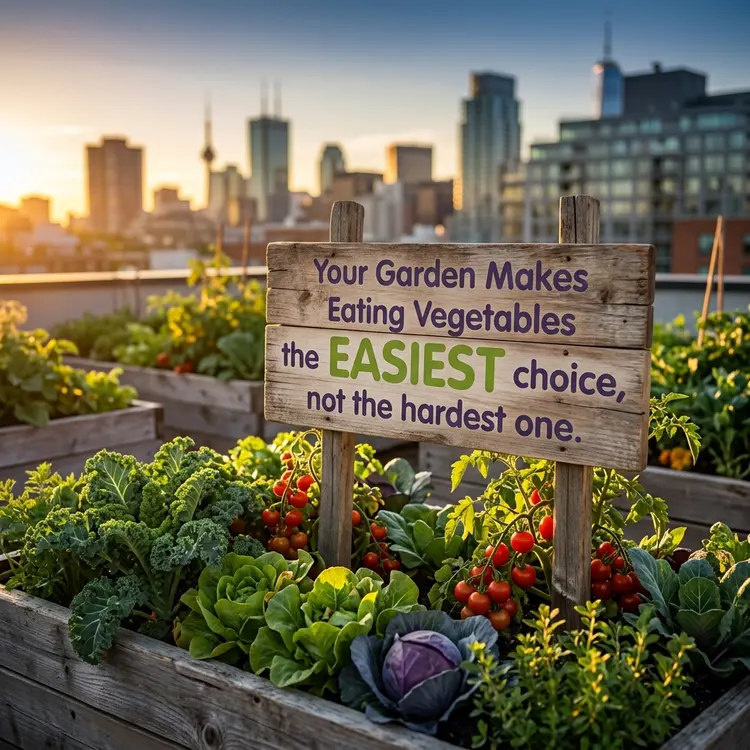
“Studies show that people who grow vegetables eat more vegetables, and people who eat more vegetables live longer, live healthier, and live happier,” Ocean states.
The health impact is profound:
• 11 more years of healthy brain function for people who ate greens daily (Rush University study)
• Better mental function and lower Alzheimer’s rates for berry eaters—berries are “loaded with anthocyanins, antioxidants, flavonoids” that fight cancer and promote brain health
Why the Connection Matters
“Gardening can give us a sense of roots, a sense of connection to the rhythms of soil and sun and rain and earth,” Ocean explains. “There’s nothing more grounding than playing in the dirt.”
This connection transforms vegetables from obligation into joy. When you’ve nurtured food from seed to plate, eating it becomes an act of satisfaction—not a chore.
What Makes Food “Super”?
Ocean redefines superfoods: “What makes a food super is that it’s super affordable, super nutritious, and can do a super large amount of good for a super lot of people. That comes back to the stuff we can grow in abundance.”
The Bottom Line
If you’re ready to feel more confident about what you’re putting on your plate—and why—it starts with learning from voices you can trust.
That’s exactly what you’ll find inside the 2026 Food Revolution Summit Docuseries: The Science of Food and Wellness. Across eight powerful episodes, 41 of the world’s top doctors, scientists, and nutrition experts share the latest research and practical insights to help you make informed choices for your health.
And if you’re wondering where to begin, start simple.
Our friends at Food Revolution Network have created a brand-new, free guide that shows you a fun and easy way to eat more plants—without overthinking it. You’ll learn how to add more color (and nutrients!) to your meals, plus get five delicious recipes you can try right away.
Download The Guide to Eating More Plants and take your next step toward vibrant, nourishing food.
Here’s to growing, choosing, and enjoying food that truly supports your well-being 🌱