You can grow $400+ worth of vegetables and herbs in just 40 days using only 100 square feet of space (or less) and following a 5-ingredient recipe. Stacey Murphy, who has taught thousands of gardeners worldwide, grew $420 worth of produce in 40 days with an initial investment of just $128, and it required only minutes of daily maintenance.
Key Facts at a Glance:
• Time frame: 40 days from planting to harvest
• Space needed: 100 square feet or less (Stacey used only 36 square feet)
• Value produced: $420 worth of vegetables and herbs
• Initial investment: $128 for supplies
• Daily time commitment: Just minutes per day for watering and checking plants
• Setup time: 2 hours for supplies + 8 hours to build beds (if starting from scratch)
• Best starter crops: Greens, herbs, and root vegetables (21-40 days to harvest)
Watch the video below to see Stacey’s complete 40-day challenge, from building the beds to the final harvest.
The Complete 5-Ingredient Recipe
To prove what’s possible, Stacey took the 40-day challenge, creating a brand new garden from scratch and tracking every detail. The result? $420 worth of vegetables and herbs in 40 days.
Here’s the complete recipe broken down into five essential ingredients:
Ingredient #1: Find 100 Square Feet or Less
That’s about 10 square meters if you’re on the metric system. For Stacey, this looked like two boxes, each three feet by six feet. Notice that’s only 36 square feet of planting space … smaller than most people’s dining room tables.
Ingredient #2: Six to Eight Hours of Sun Each Day
Healthy plants photosynthesize. That’s how they grow. They can’t do it without sunlight.
On a sunny day, go outside and check your potential growing space every hour. Tally up how many hours receive direct sun. Hopefully, it’s between six and eight hours—but Stacey completed her challenge with just five to six hours of winter sunlight, and her greens still thrived.
Many greens tolerate partial shade better than other vegetables, making them ideal for less-than-perfect growing conditions.
Ingredient #3: Your Temperatures Determine Your Crops
You don’t fight nature. You work with it.
When Stacey did her challenge, it was winter in a temperate climate. Daytime temperatures ranged from 55°F to 70°F. She didn’t want to chance it, so she stuck with cooler weather crops.
She grew radishes, turnips, beets, carrots, chard, kale, and collards. She grew herbs. She grew cabbage. She grew some peas. That’s where she stuck because her temperatures were what they were.
Here’s where greens become your strategic advantage: There’s a green for every season. Cool-weather greens like chard, kale, collards, spinach, and lettuce thrive in spring, fall, and winter. In summer heat, switch to heat-tolerant varieties like Swiss chard, amaranth greens, and New Zealand spinach. Match your varieties to your climate, and you’ll have fresh greens 12 months a year.
Ingredient #4: Build Soil for Long-Term Success
While Stacey focused on a 40-day challenge, she wanted her boxes to remain fertile for seasons to come. Here’s what she used to build a new three-foot by six-foot raised bed:
• Three untreated 2×12 boards (sides six feet long, ends three feet long, cut at the store)
• Deck screws (3.5 inches long, two per corner)
• 12 cubic feet of garden soil (about three bags with topsoil and compost, OMRI-listed for organic assurance)
• 4 cubic feet of compost (homemade or purchased with OMRI listing)
• 12 trowel-fulls of worm castings (adds beneficial bacteria and promotes soil biology)
• 12 tablespoons of rock dust (optional—ensures full spectrum of nutrients from volcanic rock)
Mix ingredients together, transplant or direct seed crops, and water everything in.
Ingredient #5: Put the Plants in Your Daily Path
You’re actually the fifth ingredient. You have to be committed to this gardening habit.
Stacey placed her beds in her daily line of sight—outside her desk window and near her outdoor lunch table. For indoor shoots, she set up trays with grow lights next to her bed.
The fifth ingredient? Water. Vegetables and herbs need water—it’s what moves nutrients through the plants. Stacey didn’t install a drip irrigation system. She just hand-watered each day, sometimes every other day. There was a lot of rain in the winter, so she didn’t have to water every day. It took her a couple of minutes each morning. That’s the commitment. Just minutes each day for watering.
The Results: $420 Worth of Groceries in 40 Days
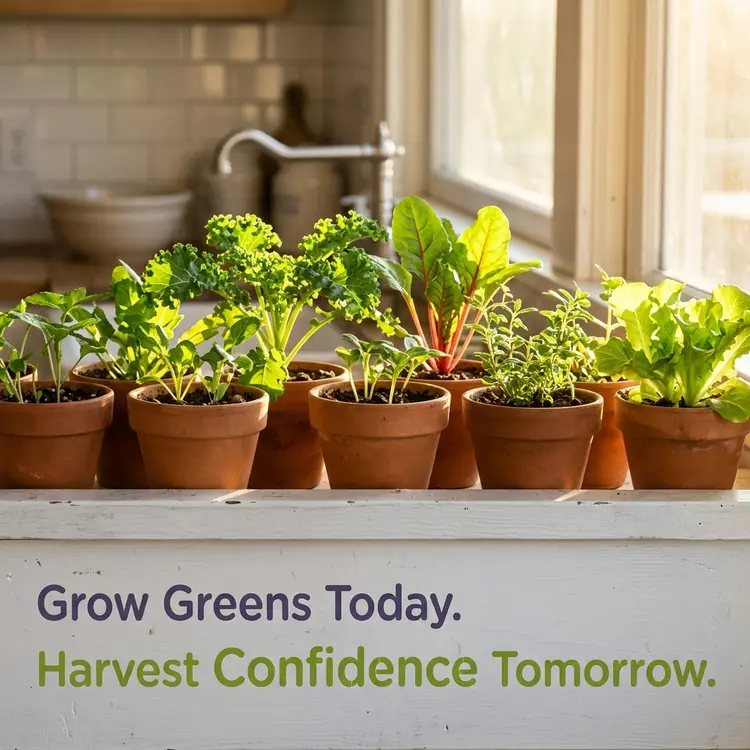
In the first 40 days, Stacey grew approximately $420 worth of groceries—vegetables and herbs including radishes, turnips, beets, carrots, chard, kale, collards, herbs, cabbage, peas, and microgreens.
Her investment was just $128 for all supplies. Your investment will vary depending on where you are and what you already have in place. Net result? $292 worth of groceries after the initial investment.
The next 40 days? Just seed costs. Grow the same crops again for $402 in net value—incredible returns.
And here’s where greens shine: Many are cut-and-come-again crops. Plant once, harvest for weeks or even months. Chard, kale, and collards kept producing long after that first 40 days. When you start with greens, you build confidence, you build skills, and you build a foundation for expanding into other crops.
The Time Investment: It’s Easier Than You Think
People always ask about time. Here’s the honest breakdown:
• Setup week: Stacey spent a couple of hours that first week buying all her supplies and setting up. If she had those two beds to build from scratch, it would’ve taken another eight hours total (based on the time she spent building a new box later).
• Daily indoor care: About one minute when she woke up and one minute when she went to bed spritzing her indoor shoots
• Weekly outdoor care: About an hour each week harvesting, watering, and checking on the plants
Setup takes the most time, but once complete, maintenance requires just minutes per day.
Frequently Asked Questions
How much space do you need to grow $400 worth of vegetables?
You need 100 square feet or less. Stacey used just 36 square feet (two raised beds measuring 3 feet by 6 feet each) plus two small shelves for indoor microgreens.
How much time does it take to maintain a 40-day garden?
After setup (2 hours for supplies, 8 hours to build beds if needed), maintenance requires just minutes daily for watering plus about 1 hour weekly for harvesting and checking plants.
What crops grow fastest in a 40-day garden?
Greens, herbs, and root vegetables mature fastest—within 21-40 days. Radishes, turnips, beets, carrots, chard, kale, collards, lettuce, spinach, and microgreens all deliver quick harvests.
How much does it cost to start a 40-day garden?
Stacey’s initial investment was $128 for lumber, soil, compost, seeds, and amendments. Costs drop to just seed purchases after the first cycle.
Can beginners really grow $400 of food in 40 days?
Stacey has experience and grew $420. Beginners typically produce less initially but improve dramatically by their second cycle. Many first-time students have grown hundreds of dollars of produce.
What temperature do you need for a 40-day garden?
Cool-weather crops (greens, roots, brassicas) thrive in 45-70°F. Warm-weather crops need consistent 50°F+ nights and 70°F+ days. Match crops to your climate.
Why start with greens instead of other vegetables?
Greens deliver the fastest results (21-40 days), tolerate partial shade, provide cut-and-come-again harvests for months, and grow year-round with proper variety selection.
Where to Start: Why Greens Are Your Best First Step
You now have the complete 5-ingredient recipe: space (100 sq ft or less), sun (6-8 hours), temperature-matched crops, quality soil, proper placement, and consistent water.
Start with greens. They’re fast (21-40 days), forgiving, and phenomenally productive. While pumpkins take 90 days and tomatoes need 55+, greens deliver fresh harvests quickly.
In just minutes each day—the same time you spend standing in line at the market—you could grow nutrient-dense, organic greens at home.
Ready to grow your own greens? Download our free guide: The Complete Guide to Growing Your Own Greens. You’ll discover which greens to plant for your season, how much space you need, and the simple daily routine that produces fresh greens for every meal.
Get your free greens growing guide here and start growing today.