Have you ever looked at an empty spot in your garden late in the season and wondered, Could I still plant something there?
It seems like it should be simple. Find the “days to maturity” on the seed packet, count forward, and see whether you beat your first frost. But gardens rarely work quite that neatly. A crop labeled “60 days” may actually need more time, especially as the days get shorter and cooler.
In this training, discover how to think through harvest dates so you can decide what still has time to grow, when to start fall crops, and when one harvest might make room for another.
The basic math is easy. It’s the real-life gardening part … shorter days, transplant timing, frost uncertainty, and deciding when a crop is still worth planting … that makes the full training especially useful.
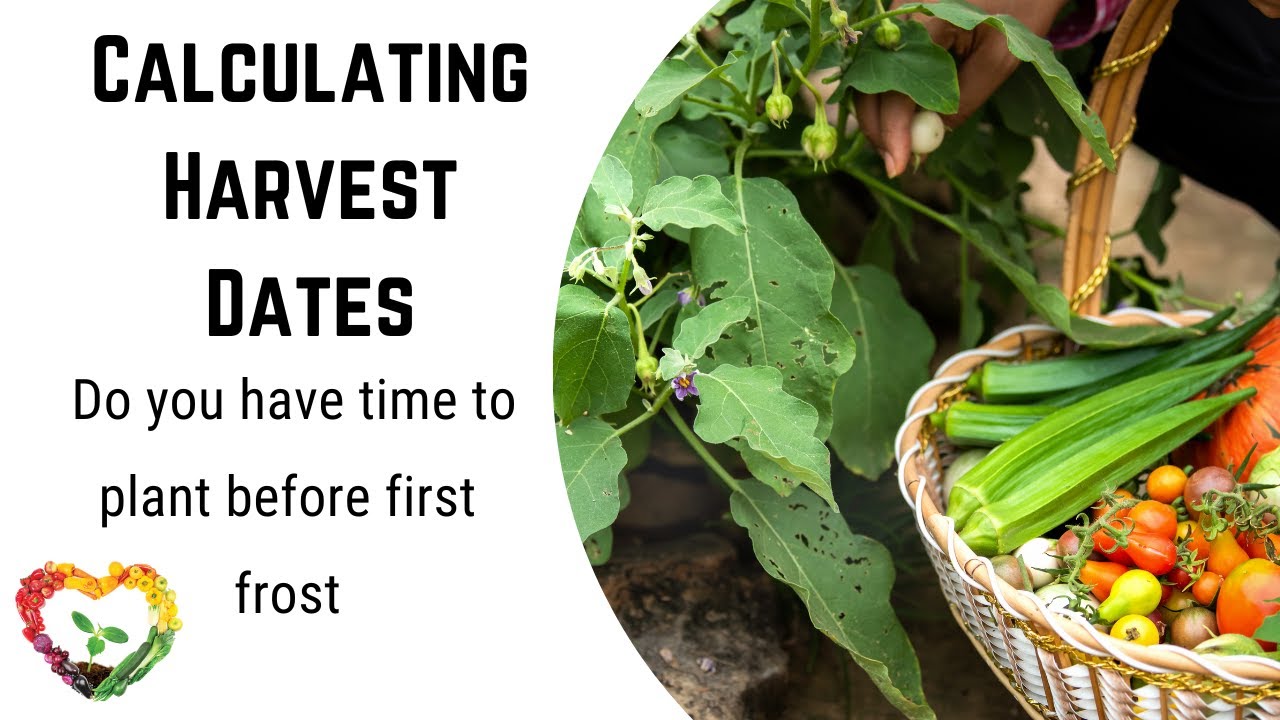
“Days to Maturity” Doesn’t Always Mean What You Think
One of the most useful numbers on a seed packet is also one of the easiest to misunderstand.
Days to maturity does not always start counting from the day you plant the seed.
For baby lettuce or spinach, it often does. Stacey uses about 28 days as an example for a small harvest of baby greens.
Tomatoes and broccoli can be different. Their “60 days to maturity” may begin when an established seedling is transplanted into the garden—not when the seed was first started.
That matters if you’re trying to beat your first frost.
If broccoli takes 60 days to mature but also needs five to seven weeks to grow into a transplant, your actual timeline is much longer than 60 days.
So before counting backward, ask:
Does this crop’s days-to-maturity number begin from seed or from transplant?
That one detail can significantly change when you need to start planting.
Can You Still Plant Before Your First Frost?
Yes, you may still have time—but you need to account for more than the number on the seed packet.
As fall approaches, there is less sunlight, less heat, and shorter days. That means plants generally grow more slowly.
In the video above, Stacey gives an example … she works backward from a November 15 first frost date for broccoli that takes 60 days to mature. Simply subtracting 60 days gives a planting date around September 16.
But she adds another two weeks to allow for slower fall growth, moving the planting date back to about September 2.
And if you’re starting that broccoli from seed, you have to back up even farther. Stacey’s example puts the seed-starting date around July 22.
That’s quite different from standing in your garden in September and thinking, The packet says 60 days. I should still have time.
A more useful way to think about fall planting is to ask:
• When do I need to harvest this?
•Will slower fall growth mean I should give it extra time?
•Am I planting a seed or a transplant?
Those questions give you a much more realistic picture of what your garden still has time to produce.
Your First Frost Date Is a Guide, Not a Guarantee
Frost dates are averages.
An area with an average first frost around November 15 could frost earlier—or later. Stacey explains that some gardeners use the earliest frost date they’ve ever seen, while she prefers using the average because, as she says, she likes to “play risky.”
And even if a crop may not fully mature, it can sometimes still be worth planting.
Take beets as an example. You might not get large, mature beets, but you could still harvest baby beets and edible greens.
So instead of asking only:
“Will this fully mature?”
You can also ask:
“What might I still be able to harvest?”
That can open up more possibilities for keeping fresh food coming from your garden.
One Harvest Can Make Room for the Next
Harvest planning isn’t only about beating frost.
Once you know approximately when one crop will be ready to come out, you can start asking:
What could I plant there next?
Stacey explains that knowing your expected harvest date also helps you know when that garden space becomes available for another crop. Over the course of a growing season, that can help you grow more food between your last spring frost and first fall frost.
It doesn’t require a complicated system.
Harvest. Clear the space. Plant the next thing.
Recommendation: set calendar reminders around expected harvest and seeding dates. The date isn’t a guarantee that your crop will be ready, it’s a reminder to go outside and start watching for the signs.
Don’t Forget the Most Important Part: Eat What You Grow
One of the biggest mistakes she sees: gardeners don’t always know when to harvest, so the food they grew never makes it into the kitchen.
That’s what makes a harvest calendar more than an organizing tool.
It helps connect the garden to the table.
And when your goal is fresh, nourishing food, that’s ultimately what matters most.
So if you’re looking at an open garden space and wondering whether it’s too late to plant, don’t assume the season is over. Look at your frost date, understand what “days to maturity” really means, and consider what kind of harvest may still be possible.
🌱 Want to Plan More Than Your Next Harvest?
Knowing when a crop will be ready is just one piece of creating a garden that keeps producing throughout the season.
In the Crop Planning Course, Stacey Murphy walks you through creating a personalized crop plan for your garden, including when to seed, transplant, and harvest, how to plan your next rounds of crops, and how to make the most of the growing space and season you have.




The article might have mentioned that garlic is best planted in the Fall and shallots may be, too. Potatoes can be planted in the fall and over-winter in zones 5-8. I usually have volunteer potatoes in the Spring from spuds I missed when digging.