If crop rotation has ever felt like one more garden rule to keep track of, you’re not alone. The idea is actually much simpler than it can seem on paper.
Every spring, many gardeners find themselves trying to solve the same puzzle again: What should go in this bed? What grew here last year? And what should or shouldn’t follow it? When you’re already thinking about planting dates, varieties, weather, and harvest timing, crop rotation can start to feel like one more layer of complexity.
In this training, discover a simpler way to think about it: organize the garden around a few important plant families, then move those groups from bed to bed each year. The basic structure stays familiar while the crops change location.
The simple rotation sounds easy on paper, but the video works through what happens when real garden beds, succession planting, and competing crop needs make the decision less obvious.
Watch The Crop Rotation Video Below:
Why Rotate Crops in a Home Vegetable Garden?
Crop rotation means changing where related plant families grow from year to year so the same crops are not repeatedly growing in the same soil.
It isn’t simply another garden rule to follow. Crop rotation gives the soil and the garden a little breathing room.
Some pests and diseases can remain in or around the soil from one season to another. In the training, Stacey points to concerns such as nematodes, cucumber beetles, squash vine borers, fusarium wilt, and verticillium wilt. When crops from the same family return to the same bed again and again, those problems may have more opportunity to build.
Moving plant families through different beds can help interrupt that pattern.
That leads to a common crop rotation question:
How do you rotate vegetables without having to remember where every individual crop grew?
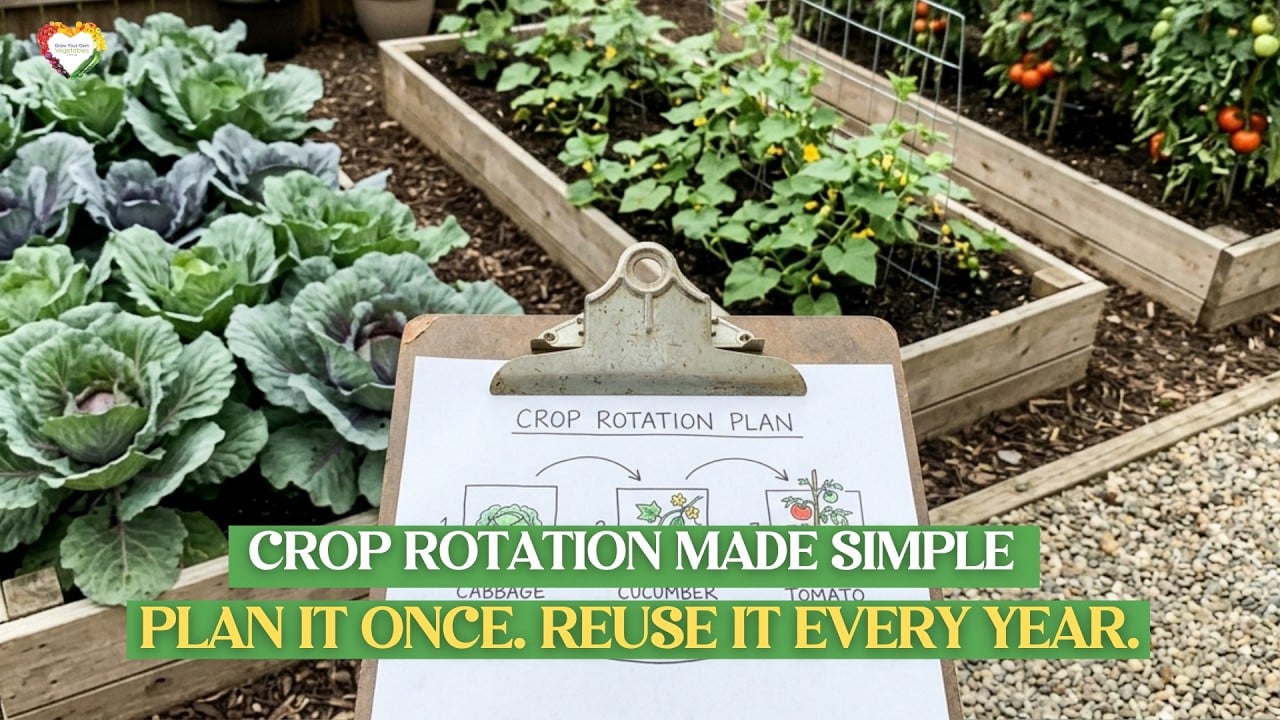
Rather than treating every vegetable separately, this video focuses primarily on three crop-family groups:
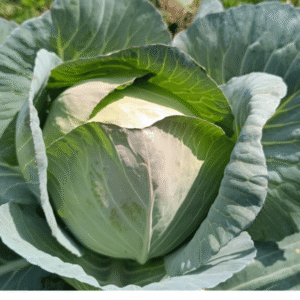
• the cabbage family
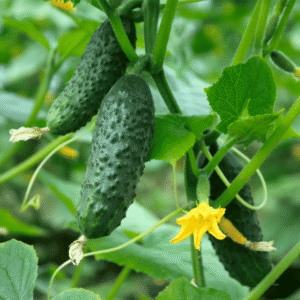
• the cucumber family
• the tomato family
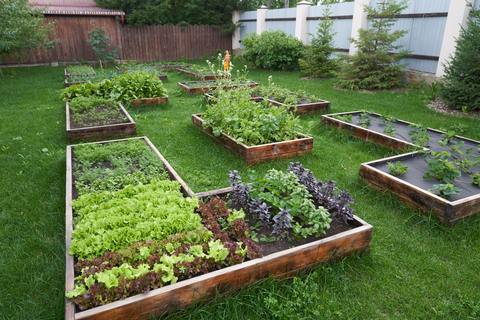
With three beds, you might center one bed around each family. The following year, you can move those families into the next bed in the rotation.
Instead of creating an entirely new plan, you’re moving a familiar one.
That small shift can make crop rotation much easier to live with from season to season.
Can You Reuse the Same Vegetable Garden Plan Every Year?
Yes. The basic garden plan can stay familiar while the crop families rotate into different beds.
That doesn’t mean growing exactly the same garden forever.
You might choose a different tomato variety next season. You may decide you want fewer tomatoes and more eggplants. One year your cabbage-family bed might include cabbage and broccoli, while another might lean more heavily toward kale and collards.
The structure can stay familiar while the food you grow continues to change.
Over time, gardeners begin to recognize the rhythm of the plan more naturally. Instead of constantly checking paperwork, they start to know when the garden is on track simply because they’ve worked with the same basic pattern before.
A useful garden plan doesn’t have to control every detail. It can simply give you enough structure that you have fewer decisions to make and more attention available for what the garden is showing you.
What About Intercropping and Succession Planting?
A home garden rarely contains one crop in one bed for an entire season. Spring greens may come out just as summer vegetables are ready to go in, followed by another planting for fall.
So another practical question is:
How can you maximize harvests from the same garden bed without disrupting your crop rotation?
We encourage gardeners to notice the “white space” in a crop plan: periods when one crop has been harvested and there is still enough growing season left for something else.
That open space can be an opportunity, but what you plant there still needs to work with the broader rotation.
In the Q&A portion of the training, a gardener points out that an earlier example mixed crop families in a way that conflicted with the rotation system. Master Garden Trainer Stacey Murphy acknowledges the contradiction and works through better alternatives. If cucumbers occupy the bed during summer, for example, possible crops from other families might include chard, peas, beans, celery, or beets, depending on the season and available time.
That exchange gets at something important: maximizing your garden space and protecting your crop rotation are not separate goals. They work together.
When you notice an empty stretch in a bed, two questions can help:
Does this crop fit the amount of growing time I have available?
Does it still support the crop-family rotation I’m trying to maintain?
Days to maturity and planting dates help answer the first question. Crop family helps answer the second.
Does Crop Rotation Prevent All Garden Pests and Diseases?
No. Crop rotation is one way to support a healthier garden, but it doesn’t remove every possibility of pests or disease.
Keeping related crops together can make rotation easier from year to year, but it can also mean crops susceptible to similar problems are growing close together during that particular season.
The goal isn’t to create a garden where pests and diseases never appear. Nature rarely works that neatly.
Instead, crop rotation becomes one layer of support alongside healthy soil, attentive plant care, pruning, harvesting, and noticing problems early.
Seeing a pest or disease doesn’t mean you planned incorrectly or that the season is lost. It simply gives you more information about what’s happening in your garden and what you may want to adjust next time.
The Real Benefit May Be Simpler Garden Planning
It’s easy to think crop rotation is mostly about deciding where the tomatoes or cucumbers go next year.
But there is another benefit. You don’t have to begin from zero every spring.
Your first crop plan may take some thought. After that, you can rotate the underlying bed plan and make smaller adjustments based on what you want to grow that season.
Maybe your family wants more tomatoes next year. Maybe you discovered you need fewer squash. Maybe one variety handled your conditions especially well.
Those observations can shape the next season without requiring you to reinvent the whole garden.
Over time, you begin to notice what your garden can hold, how long different crops stay in the ground, where another harvest might fit, and what works especially well in your own conditions.
The plan becomes less like a set of instructions and more like a rhythm you recognize.
You don’t need to memorize every crop family or build the perfect rotation before you begin. Start with the beds and crops you already grow, notice what happens, and let the plan become more familiar each season.
Watch the full crop rotation training with Stacey Murphy to see how she works through the three-family system, succession planting, white space, and the places where real gardens make rotation a little more nuanced than a simple diagram can show.
WATCH THE FULL CROP ROTATION VIDEO
Build a Crop Plan You’ll Use for Years
One of the biggest challenges in vegetable gardening isn’t deciding what to grow—it’s figuring out when and where to grow it. The Crop Planning Course helps you take the guesswork out of garden planning by showing you how to create a personalized crop plan that fits your space, growing season, and favorite vegetables.
You’ll learn how to schedule plantings, make the most of every garden bed, plan for succession harvests, and simplify crop rotation so your garden becomes easier to manage year after year. Rather than starting over every spring, you’ll build a system you can adjust and reuse as your garden grows and changes.
Whether you’re planning your first vegetable garden or looking for a more organized approach, this course will help you spend less time wondering what to plant next and more time enjoying a productive, abundant harvest.
Special Blog Reader Price: $97 (Normally $197)