When Should You Plant a Fall Garden Before the First Frost?
Fall garden timing can feel a little backward at first. You may still be harvesting tomatoes in summer heat just as it’s time to begin thinking about broccoli, radishes, lettuce, and other cool-season crops.
The best time to plant fall vegetables depends on your average first frost date, the crop’s days to maturity, and whether you are starting from seed or using a transplant. As fall approaches, days shorten, the sun sits lower in the sky, temperatures cool, and plant growth naturally begins to slow.
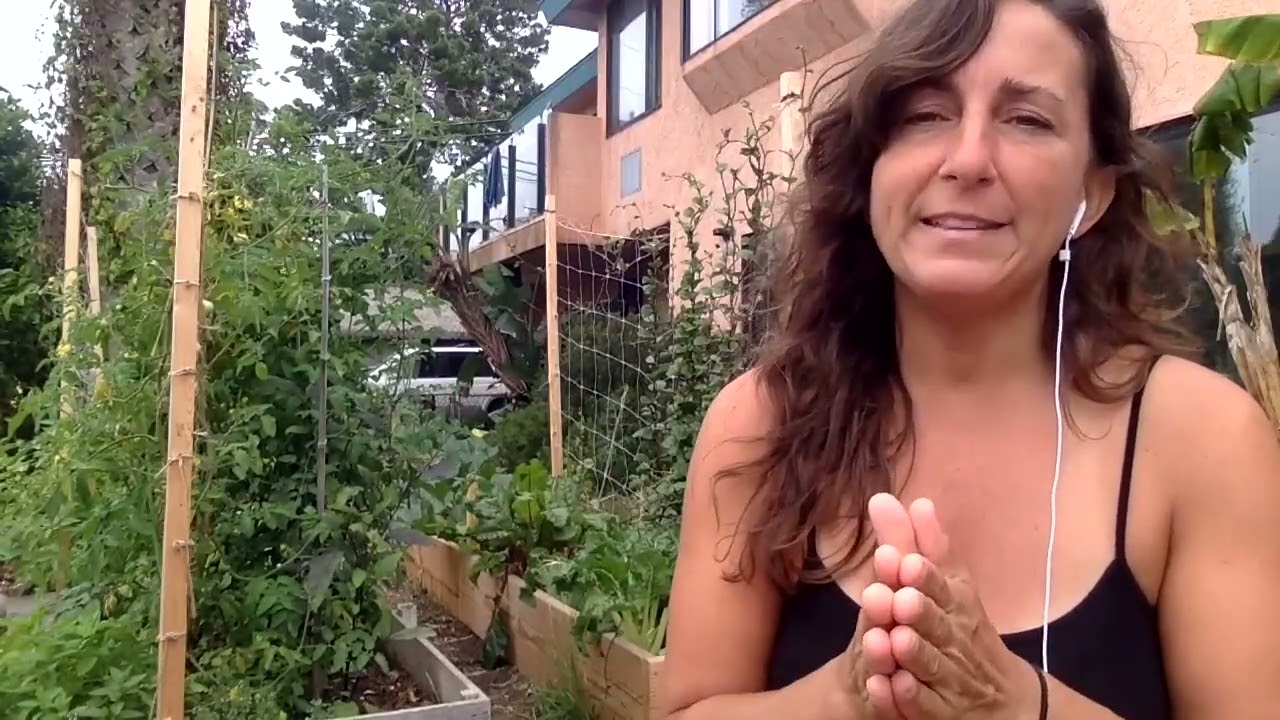
In this Grow Your Own Vegetables training, you’ll learn how to work backward from your average first frost date to estimate when fall crops need to go into the garden. The training also addresses an important detail that can change your timing considerably: whether you’re planting a seed or setting out a transplant.
The basic calculation is simple, but the video shows why real fall planting gets more nuanced once shorter days, hot summer soil, seeds, and transplants all enter the picture.
WATCH THIS FALL GARDEN PLANTING VIDEO
Why Fall Planting Dates Are Different From Spring Planting Dates
A seed packet might tell you that broccoli takes 60 days to maturity. It would be easy to count backward 60 days from your average first frost and assume you’ve found your planting date.
But fall growth doesn’t happen under the same conditions as spring growth.
As autumn approaches, plants receive fewer hours of sunlight each day. The sun sits lower in the sky, temperatures begin to drop, and plants grow more slowly. This is the opposite of spring, when increasing warmth and daylight help plants speed up.
The plant hasn’t forgotten how to grow. It’s simply responding to a changing season. Understanding that seasonal rhythm is what makes fall planting dates begin to make sense.
That means the number printed on the seed packet is only part of the planning process.
How Do You Calculate When to Plant Fall Vegetables?
A helpful place to begin is your average first frost date.
The training example used November 1 for the first frost. From there, about two weeks are subtracted to create a buffer for the slower growing conditions of fall. That brings the working date to approximately October 15.
From there, you work backward using the crop’s days to maturity.
For a broccoli crop listed at 60 days, the example moves back roughly two months from October 15, giving a planting date around August 15.
The larger lesson is more important than the exact dates:
Fall garden planning works backward from the conditions you expect at the end of the season.
Your own dates will depend on your location, your average first frost, and the crop you’re growing.
Does “Days to Maturity” Start From the Seed or the Transplant?
This is where many gardeners can accidentally lose several weeks.
Does a vegetable’s days-to-maturity number begin when you sow the seed or when you put a transplant into the garden?
It depends on the crop.
For crops such as root vegetables and lettuces that are commonly direct-sown, days to maturity are generally counted from the seed date.
For crops such as broccoli, the maturity number is often treated as starting from a developed transplant rather than from the day the seed was first sown.
So if your target date says broccoli should go into the garden on August 15, you may need a healthy transplant ready by that date.
If you want to grow that broccoli from seed yourself, you have to back up again. In the training example, about another five weeks are allowed to grow the broccoli seedling before transplanting it into the garden.
This is one reason fall gardens often need to be planned earlier than gardeners expect.
What If It’s Still Hot When You Need to Plant Fall Crops?
This is one of the strange realities of fall gardening.
The calendar may say it’s time to plant cool-season vegetables while the thermometer still says summer.
Two practical approaches can help seeds through those hot conditions.
First, seeds need consistent moisture near the soil surface while they are germinating. One option is to sow near a drip irrigation line, where moisture is more reliable. The seedlings can remain there or be transplanted later.
Second, mulch can help protect moisture and moderate the conditions around newly planted seeds. The training recommends watering the soil first, planting the seeds, adding mulch, and then watering the mulch as well so you aren’t relying on moisture to slowly work its way down into dry soil.
In very hot conditions, some growers also sow seeds a little deeper so they are below the hottest soil surface, where temperatures may be more favorable for germination.
The common thread is simple: young seeds and seedlings need a little extra support when fall planting begins during summer heat.
Is It Too Late to Plant a Fall Garden?
Sometimes it may be too late to start a particular crop from seed, but that doesn’t necessarily mean you’ve missed the entire fall growing season.
This is where transplants can be especially helpful.
Checking what your local nursery has available can be useful because buying a transplant can save the several weeks you would otherwise need to grow that plant from seed. If the nursery doesn’t have what you need, that’s a sign you may need to plan farther ahead and start the crop yourself next time.
That gives gardeners several possible paths depending on where they are in the season:
• Start from seed when there is still enough time for the plant to develop.
• Use transplants when the planting window is shorter.
• Support seeds with consistent moisture and protection from intense summer heat.
There isn’t one perfect fall planting date that works everywhere.
Fall Gardening Is Really About Working Backward
The most useful shift may be to stop asking, “What should I plant this month?” and instead ask:
“When do I want this crop to be ready, and how much growing time does it need before conditions slow it down?”
A helpful place to begin is your average first frost date. From there, you can allow some extra time for slower fall growth and work backward using the crop’s days to maturity.
Once you begin thinking backward from the end of the season, fall planting becomes much easier to understand.
And if your timing isn’t perfect, that’s part of learning your own garden. Your frost dates, summer heat, sunlight, and growing conditions will teach you a little more each season.
Watch the full fall garden planting training above to see the dates worked through in context, along with seed-versus-transplant timing and the practical challenge of getting cool-season crops started while summer heat is still very much present.
Keep Growing Beyond the First Frost
A changing season doesn’t have to mean the end of your fresh harvests. The Winter Gardening Course helps you understand how to keep growing as temperatures drop, with practical guidance for choosing crops, working with colder conditions, and planning a garden that fits your climate and space.
If you’re already thinking about fall planting, this is a natural next step. You’ll be able to take what you’re learning about frost dates and seasonal timing and use it to plan beyond fall, so you can keep fresh food coming from your garden for longer.
You don’t need a perfect setup or a huge garden. Start with what you have, learn how your growing conditions change through the colder months, and build from there season by season.