
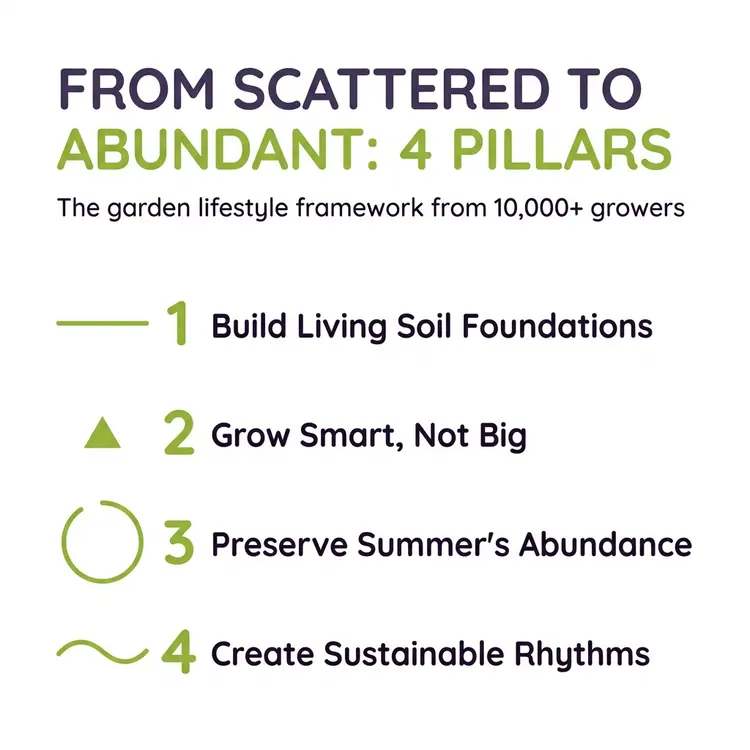
After 10 years of hosting the Superfood Garden Summit and helping thousands of gardeners grow more food, we’ve noticed a pattern.
The gardeners who experience the most success aren’t necessarily the ones with the biggest gardens, the most land, or the most experience. Instead, they tend to focus on four key areas that work together to create a thriving garden lifestyle.
These four pillars help gardeners grow more food, waste less, enjoy the process more, and create a deeper connection with their health, families, and communities.
Start With the Soil, and Everything Else Gets Easier
Pillar 1: Foundations to Garden Success
When your foundation is strong, everything else becomes easier.
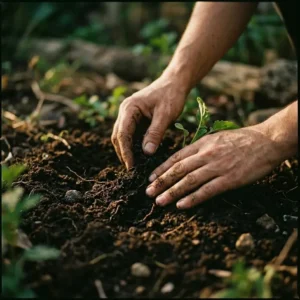
The first pillar focuses on something you can’t see but can feel in every harvest: healthy, living soil.
Healthy soil does most of the gardening work for you. When your soil is alive—rich with organic matter and teeming with beneficial microbes—it feeds your plants, helps them resist pests naturally, and holds moisture through dry spells. Instead of constantly troubleshooting problems, you create conditions where plants thrive on their own.
How do you build healthy garden soil? Focus on three core practices:
• Feeding your soil with compost and organic matter so it can feed your plants
• Creating simple, repeatable systems like crop rotation and consistent watering that take the guesswork out of gardening
• Preventing problems before they start through mulching, spacing, and companion planting
One theme we heard repeatedly during this year’s Superfood Garden Summit was that healthy gardens start below the surface. Experts like Matt Powers, Greg Peterson, and Charles Dowding reminded us that healthy soil, thoughtful watering systems, and strong foundations often solve problems before they begin.
When your soil becomes this healthy, something shifts: plants grow strong enough to resist problems naturally. Pests become less of a constant worry. Gardens start feeling easier every season. That’s the kind of transformation this pillar creates—less stress, more confidence, and a foundation you can build on year after year.
When you build strong foundations, you’re not working harder. You’re working with nature.
You Don’t Need More Space—You Need Smarter Strategies
Pillar 2: Grow Abundant Food
The second pillar addresses a common misconception: you don’t need a bigger garden to grow more food.
This is where your healthy foundation begins producing abundant harvests.
How do you maximize small garden spaces? The answer lies in three proven strategies:
• Grow up, not out—use trellises for beans, peas, cucumbers, and tomatoes
• Plant in waves—sow small amounts every few weeks so you’re harvesting continuously instead of drowning in zucchini all at once
• Tuck fast-growing crops between slower ones—lettuce between tomatoes, radishes between carrots
These techniques allow you to dramatically increase your harvest without adding garden beds. The key is planting more intentionally—using vertical space, timing plantings strategically, and layering crops that mature at different rates.
The summit sessions dive into which varieties thrive in tight spaces, how to time your succession plantings for steady harvests, and why healthy soil (from Pillar 1) directly impacts the flavor and nutrition of what you grow.
Many summit attendees were encouraged to learn that growing abundant food doesn’t have to mean working harder. Throughout the summit, experts shared practical strategies for increasing yields through healthier soil, smarter systems, perennial crops, fruit trees, and selecting plants that thrive in your climate.
This is where the pillars start weaving together: better soil creates healthier plants. Succession planting keeps your harvest manageable. Small changes create big results.
Turn Summer’s Abundance Into Year-Round Nourishment
Pillar 3: Harvest, Preserve & Use
Growing food is only part of the journey. The real reward comes when you enjoy what you’ve grown.
Here’s a question many gardeners eventually face: what do you do when the garden suddenly gives you more than you can eat fresh?
This pillar is about extending the value of your harvest beyond the garden bed—so the food you grow continues nourishing you long after the season ends.
As Kami McBride and other presenters during the summit demonstrated, some of the most powerful benefits of gardening happen when we bring what we’ve grown into our kitchens and daily lives.
Preservation doesn’t have to mean filling an entire basement with canned goods or learning complicated systems overnight. Often, it starts much more simply: freezing extra herbs, drying a few bundles for winter tea, making soup from abundant vegetables, or learning how to store crops properly so they last longer naturally.
The deeper shift is learning to think beyond “harvest day” and begin building a rhythm around using what you grow more intentionally.
When you preserve thoughtfully, your relationship with food can begin to change. Imagine pulling homemade tomato sauce from the freezer in January made from summer tomatoes. Using dried herbs you harvested yourself. Cooking meals that reflect the rhythms of your own garden instead of relying entirely on the grocery store.
This is what food autonomy can start to feel like—not necessarily growing everything year-round, but learning how to make the most of what your garden provides.
Inside the Superfood Garden Summit, gardeners explore practical ways to reduce waste, extend harvests, and create simple systems that fit real life. From harvesting at the right time to storing, preserving, and using food more intentionally, the focus is less about perfection—and more about helping your garden continue supporting your home and wellbeing throughout the year.
This pillar builds something deeper than a stocked pantry or freezer. It builds confidence, resilience, and a stronger connection to the food you eat every day.
When Gardening Becomes a Rhythm, It Nourishes Your Spirit
Pillar 4: Garden Lifestyle & Impact
This is where gardening becomes more than a hobby and starts becoming a lifestyle.
The fourth pillar shifts everything: it’s the difference between gardening as something you force yourself to do and gardening as something that grounds you, connects you to the seasons, and brings unexpected joy into your everyday life.
This is about living with the seasons instead of fighting them. Small, consistent habits replace overwhelming bursts of effort. Fifteen minutes in the morning with your hands in soil can become a ritual you crave—not another chore on your list. You might start noticing weather patterns differently. Planning meals around what’s ripe. Involving your family in planting and harvesting. The garden can become a heartbeat of rhythm—a source of connection, not obligation.
Why does gardening change how we relate to food and life? Because when you develop a garden lifestyle, you reconnect to something essential:
• Your garden supports pollinators and biodiversity
• It creates food security when the world feels uncertain
• It becomes habitat for beneficial creatures that balance your ecosystem naturally
• It lowers stress and supports your mental and emotional wellbeing
You stop taking food for granted. You understand seasonality in your bones. You feel grateful for farmers. And you feel just a little more capable, a little more rooted, because you can grow even a portion of what nourishes you.
The summit explores how to build these rhythms realistically—without perfectionism, without burnout, and in ways that deepen season after season.
Some of the most meaningful conversations during the summit weren’t about vegetables at all.
Gardeners shared how growing food helps them slow down, reduce stress, connect with nature, support pollinators, involve their families, and create a deeper sense of purpose.
One attendee shared: “It helps me slow down and connect with nature instead of the chaos around the world.”
Another wrote: “This has inspired me to see my backyard in a whole new way. I feel excited now instead of intimidated.”
Why These Four Pillars Matter
Many gardeners focus on only one area.
They work on growing more food but neglect the soil.
Or they grow abundant harvests but don’t preserve or use them effectively.
Or they become productive gardeners but never experience the deeper lifestyle benefits gardening can provide.
The most successful gardeners build all four pillars over time. That’s when gardening becomes easier, more productive, and more rewarding.
Looking back on this year’s summit, one theme emerged again and again: confidence.
Gardeners shared that they felt inspired, encouraged, and more capable of growing their own food. Not because they learned everything, but because they realized they didn’t have to know everything to get started.
The Pillars Work Together—and So Do We
Here’s what makes this approach so powerful: the pillars don’t stand alone. They support each other.
Healthy soil creates stronger harvests. Preservation makes abundance feel manageable instead of wasteful. Lifestyle rhythms ensure you keep showing up season after season—so your soil keeps improving, your confidence keeps growing, and your harvests become more abundant.
And just like the pillars support each other, so does our community. Gardeners around the world—beginners and experienced growers alike—are learning together, sharing what works in their climates, and encouraging each other through the inevitable challenges.
Each season, you learn more. Your garden teaches you. Your mistakes become wisdom. Growing gets easier—not because you’re working harder, but because you understand more deeply.
That’s the heart of a garden lifestyle: less struggle over time, more abundance every year, and a deeper connection to the food and rhythms that nourish your whole life.
Which pillar would make the biggest difference in your garden right now?”
As one attendee shared, “Every step is getting me closer to growing great food.”
Learn From 15 Experts and Grow With Confidence
Every gardener’s journey is unique, but learning from experienced guides can make the path easier and more enjoyable.
That’s why we’ve brought together presentations from 15 trusted experts who share practical tips and inspiring ideas to help you strengthen your foundations, grow abundant food, make the most of your harvest, and create a garden lifestyle you’ll love.
Whether you’re just getting started or have been gardening for years, we hope these presentations encourage you and remind you that you don’t have to do it all alone.




Love the four pillars!
Heartily agree with all components.
Mindful gardening grows strong munds, hearts, souls and healthy food!
I live in a very hot weather and it is like summer all year. I’m in the Caribbean and would love to begin my personal garden. But the weather always burn my plants.😞