As the main growing season begins to slow down, your garden does not have to choose between producing food now and preparing the soil for what comes next.
Growing fall vegetables alongside cover crops can help you keep harvesting while protecting and supporting the soil through the changing season.
The two approaches can work together, especially when you start thinking about open garden space as an opportunity rather than something that needs to sit empty until spring.
Can You Grow Fall Vegetables and Cover Crops Together?
Yes. Fall vegetables and cover crops can share a place in the same seasonal garden plan.
Cool-season crops such as arugula, radishes, and kale can continue producing food as temperatures cool, while cover crops can help keep soil covered during times when part of the garden would otherwise be empty.
You do not have to fill every available space. The idea is simply to notice where a fall crop, cover crop, or combination of the two might fit naturally in your garden.
How Do Cover Crops Support Garden Soil?

Bare soil is more exposed to weather, erosion, and moisture loss. Growing plants through more of the year helps keep living roots in the soil and provides continued plant material for the garden ecosystem.
Different cover crops can play different roles. Legumes such as clover, vetch, and winter peas are often grown as part of soil-building systems, while grasses such as oats or rye can produce substantial plant material that can eventually return organic matter to the soil.
When the cover crop has finished its job, gardeners may cut it back and leave the plant material on the soil surface as mulch or manage it in another way that fits their garden.
The goal is not perfect soil overnight. Soil changes gradually as plants, roots, organic matter, moisture, microorganisms, and time work together.
What Can Happen When You Start Working With the Soil You Have?
You do not have to begin with perfect garden soil.
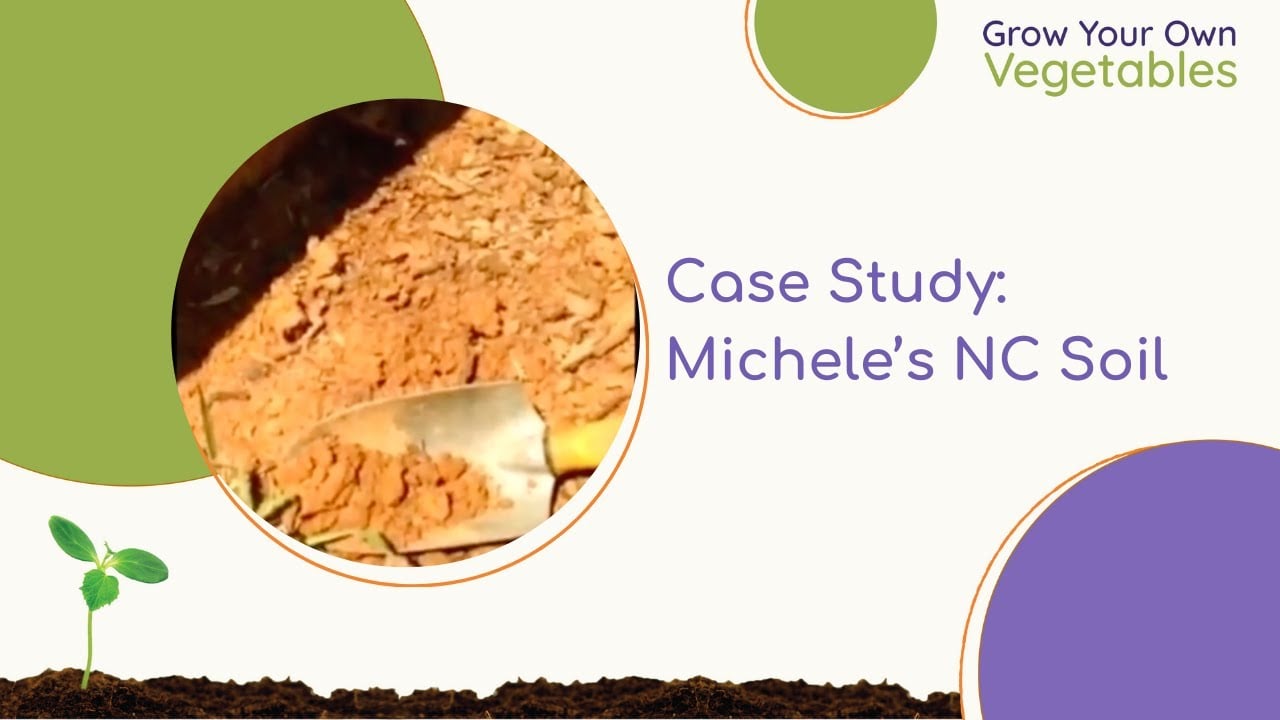
In this short video, Michelle shares her experience gardening with heavy North Carolina clay and the changes she made after struggling with it for several seasons. By using raised beds, bringing in topsoil, and adding compost, she began seeing a very different garden.
What Is Undercropping?
Undercropping is one way to get the next crop growing before the current one has completely finished.
Instead of waiting until a mature crop is removed, you can sometimes sow a cover crop underneath or between established plants. As the older crop reaches the end of its season, the younger plants are already getting started.
For example, a low-growing cover crop such as clover may fit beneath taller plants where there is enough light and growing space.
This will not work in every garden or beneath every crop. Think of it as one option for making the transition between seasons a little more gradual.
Do Cover Crops Need to Be Planted Perfectly?

Not necessarily.
Cover crops are often grown across an area rather than carefully positioned one plant at a time. The exact planting method and seeding rate will depend on the crop you choose, your climate, and the space you are planting.
Follow the directions for the particular seed you are using, keep the soil appropriately moist while seeds germinate, and observe how the crop responds in your garden.
Starting with a small area is perfectly fine. You can learn from what happens and expand next season if the approach works well for you.
How Can Fall Planting Help Prepare Your Garden for Next Year?
Fall gardening does not have to be only about squeezing in one more harvest.
It can also be a time to think about what your soil needs between growing seasons.
You might grow another round of vegetables, sow a cover crop, combine the two where space allows, or simply experiment with one small section of the garden this year.
The important thing is to notice how your garden responds.
Over time, those observations help you make choices that fit your climate, your soil, your growing season, and the way you like to garden.
Your garden does not have to stop working with you when the main summer harvest winds down.
A few fall vegetables, a small patch of cover crop, or one experiment with undercropping can teach you more about how your soil and garden respond through the changing seasons.
Start small, notice what happens, and let what you learn guide the next season.
Keep Growing With Us 
Want more simple, practical garden guidance like this?
Visit the Grow Your Own Vegetables YouTube channel for helpful videos on growing, harvesting, troubleshooting, and working with your garden through every season.

👉 Subscribe while you’re there so you don’t miss the next garden video.
What Are You Trying in Your Garden This Fall?
Are you growing fall vegetables, experimenting with a cover crop, or doing something else to prepare your garden for the season ahead?
Share what you’re trying in the comments below.