You may have noticed another number climbing lately … the price of diesel fuel.
That matters beyond what we pay at the pump. Diesel helps power farm equipment and move food from farms to processors, warehouses, grocery stores, and ultimately our tables.
The U.S. Energy Information Administration reported an average U.S. retail diesel price of $5.97 per gallon for the week of September 7, 2026, up from $5.35 just five weeks earlier.
Food prices are already higher than they were a year ago, too. USDA reports that grocery-store food prices in July were 2.7% higher than July 2025. Fresh vegetables were up 6.3%, including tomatoes up 12.8% and lettuce up 7.5%. USDA currently forecasts fresh vegetable prices to rise 5.9% overall in 2026.
No one knows exactly what your grocery bill will look like six months from now. Food prices are affected by many factors.
But rising costs are another reminder of something home gardeners have known for a long time:
Knowing how to grow some of your own food gives you more choices.
Growing some of your own food can reduce grocery dependence, provide fresher produce, build practical food-growing skills, and help you get more value from the growing space you already have.
Can Growing Your Own Food Actually Save Money?
Yes, but saving money is only part of the value of growing food.
You don’t have to become self-sufficient or grow everything your household eats. You don’t even need a large backyard.
A patio container of herbs counts. A raised bed filled with salad greens counts. A few tomato plants count. A community garden plot counts.
The goal is to make the growing space you have work for you.
A few ways to get more value from a home vegetable garden:
• Grow foods you actually eat, especially things you buy frequently.
• Choose productive crops that can be harvested repeatedly, such as herbs, greens, beans, zucchini, and tomatoes.
• Extend your harvest when possible instead of assuming the first cool weather means your garden is finished.
Every food you learn to grow gives you another option besides buying it at the grocery store.
Why Does Growing Your Own Food Matter When Food Costs Rise?
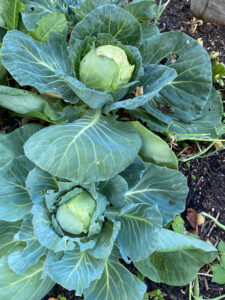
Consider the journey of a vegetable from a commercial farm to your plate.
It may be harvested, packed, transported, stored, distributed, transported again, displayed at a grocery store, and finally driven home.
Now compare that with walking outside and picking a tomato.
The vegetables growing outside your door aren’t traveling through that same chain before they reach your dinner table.
And there are benefits that have nothing to do with transportation costs.
You can harvest greens for tonight’s salad. Pick herbs minutes before using them. Let a tomato ripen on the vine until it’s actually ready to eat.
Freshness has value, too. Fruits and vegetables begin losing some nutrients after they’re harvested, so eating straight from the garden can mean enjoying them at their freshest and most nutritious.
Growing Food Builds More Than a Harvest
When food comes from your garden, you know its story.
You chose the soil or growing medium. You know what was added to it. You decided how pests were managed. You chose when to harvest. And every season teaches you how to do it better.
Maybe this year you discovered that your tomatoes needed more sun. You learned when peas actually need to be planted in your climate. You finally figured out why your seedlings struggled.
Even a disappointing crop can teach you something you’ll use next season.
You’re not only growing food. You’re learning how to grow food.
That knowledge builds confidence and resilience. It’s a skill you can use again next season, and the season after that, no matter what happens to food prices.
Can You Keep Growing Food After Summer Ends?
Yes. Many home gardeners can continue growing and harvesting food after summer by choosing cool-season crops and using simple season-extension techniques.
Cool-season vegetables can thrive as summer crops slow down. Some crops tolerate colder temperatures surprisingly well. Simple protection can give plants additional weeks of growing time. Depending on your climate and growing setup, you may even be able to harvest food during winter.
And for our gardening friends in the Southern Hemisphere, you’re experiencing the opposite transition. Spring is arriving and your main growing season is getting underway.
Wherever you live, understanding what you can grow in your season and how to work with your climate can help you get more fresh food from the space you already have.
Start With What You Can Grow
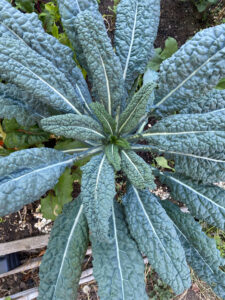
We can’t control diesel prices, transportation costs, weather on commercial farms, or what tomatoes will cost at the grocery store next month.
But we can learn…
We can plant something.
We can improve our soil.
We can discover which crops grow well where we live.
And we can become better gardeners one season at a time.
Growing your own food won’t insulate your household from every change in the food system. That’s not the goal.
Every bit of food you know how to grow gives you a little more choice, a little more connection to your food, and a little more resilience.
And perhaps that’s one of the most valuable harvests of all.
How Can You Extend Your Vegetable Growing Season?
One of the simplest ways to get more food from the garden space you already have is to grow for more of the year.
You may not need more garden beds or a bigger backyard. You may simply need to learn how to use more of the growing calendar.
That’s exactly what Stacey Murphy explores in our latest Thriving Gardener Masterclass on Season Extension. You’ll learn practical ways to work with cooler temperatures, protect crops, and extend your opportunity to harvest fresh food beyond the traditional summer garden.