Home Gardener’s
Weekly
Issue
No. 142
September
26, 2025
Gardening gives you:
✔️ Fresh, flavorful food you can’t buy in stores
✔️ Savings on your grocery bill
✔️ Time outdoors + a boost for your health
But many gardeners give up—not because they’re lazy, but because they don’t have a simple system that fits into real life.
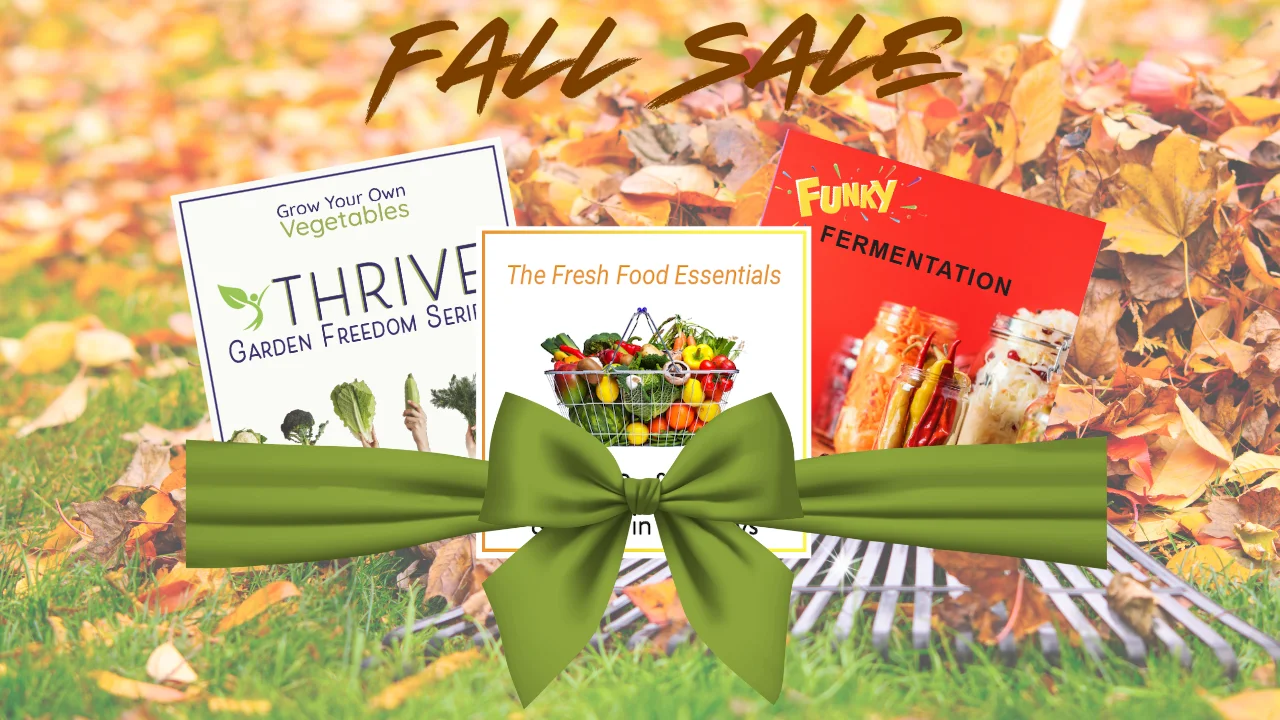
That’s why we created the Prepare, Plant, Preserve Bundle—3 micro-courses to help you:
🍂 Prep your beds this fall
🌱 Choose crops + plant smart
🥒 Preserve your harvest to enjoy all winter
Skip the overwhelm—get the clear plan that makes gardening doable and enjoyable.
🌿 Did you know some herbs can help protect your eyesight?
If your eyes feel tired, dry, or irritated after long hours on screens, herbal remedies may offer gentle relief.
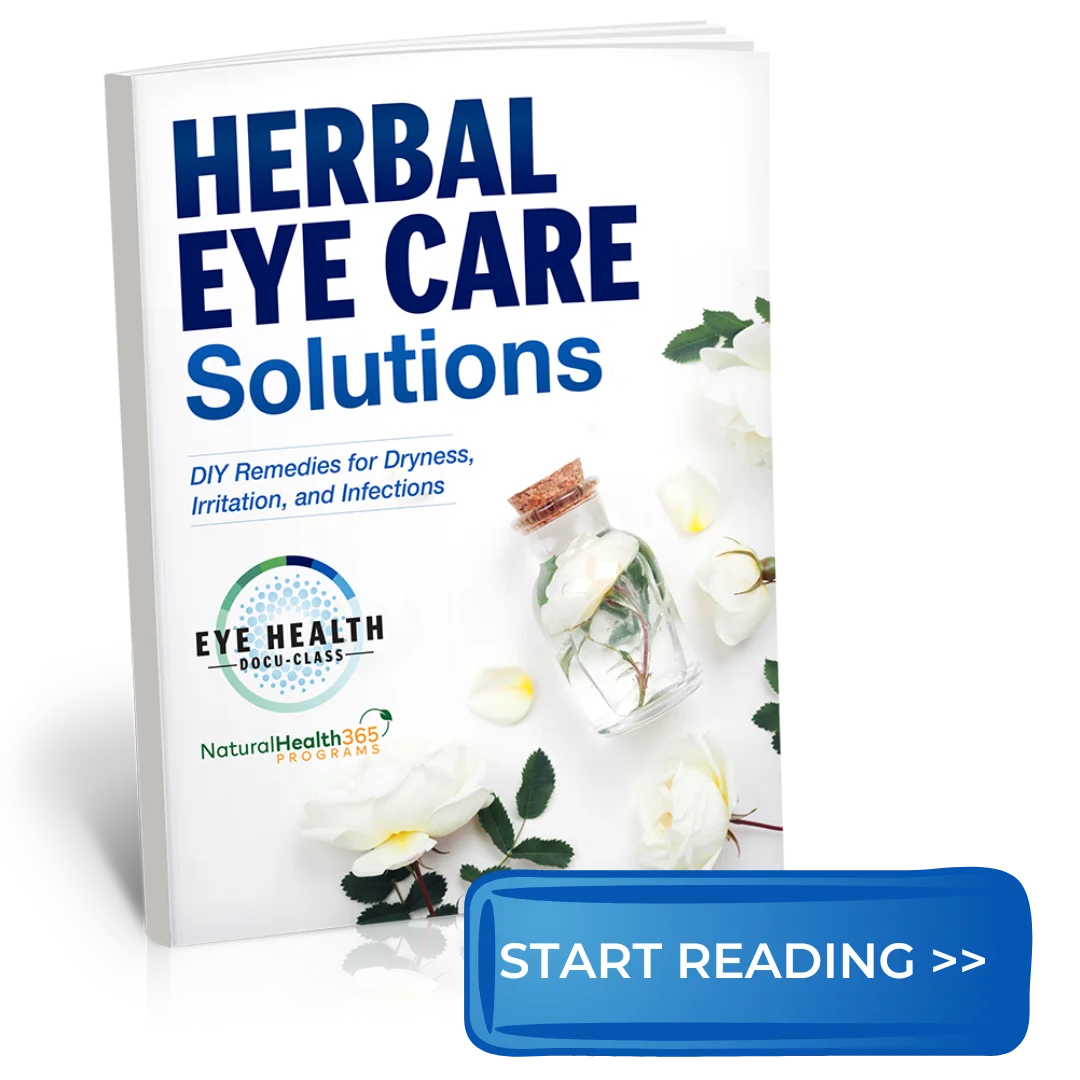
Our friend Jonathan Landsman, a natural health expert with nearly 40 years of experience, created a free Herbal Eye Care Guide. It’s packed with at-home remedies using herbs to soothe dryness, reduce irritation, and relieve eye strain—plus tips to naturally support your vision.
When you grab the guide, you’ll also get complimentary access to the Eye Health Docu-Class, featuring top holistic eye doctors who share strategies to prevent—and even reverse—common vision problems.

Weekly Garden Tip
Often when we say we don’t like a food it’s because we don’t like the one or two varieties found in the store. And not only are those varieties NOT bred for flavor and nutrition, quite often the food was harvested weeks prior.
That means they’ve lost nutrition and water content making their flavors dull and their textures fibrous.
Therefore, try out making space in the garden to grow foods you think you don’t like.
You’ll never know ‘til you try!

Free Resource
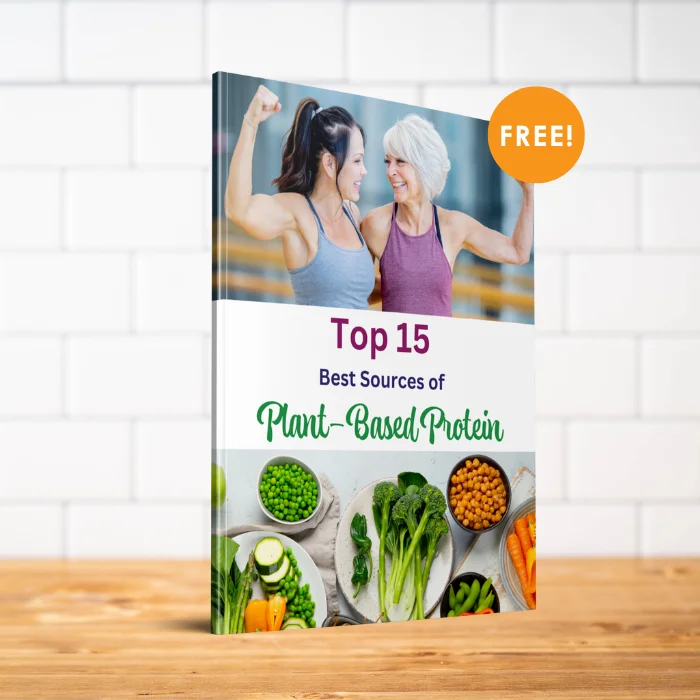
Top 15 Best Sources of Plant-Based Protein
🥦 Wondering how to get enough protein from your garden? Every day we’re bombarded with messages about protein—but you can meet your needs with fresh, whole plant foods straight from your garden.
Kim Murphy, certified Plant-Based Health Coach at Simply Plant Based Kitchen, created a free guide “Top 15 Best Sources of Plant-Based Protein” that shows how easy it is to use beans, greens, seeds, and other garden-grown foods to fuel your body—no powders required.
Plus, you’ll get high-protein recipes like:
🧑🍳 Black Bean & Spinach Enchiladas
🧑🍳 Easy Vegan Nacho Cheese Sauce
🧑🍳 Tangy Dill Pickle Hummus
🧑🍳 Easy Homemade Muesli
🧑🍳 Everything Bagel Avocado Toast
🧑🍳 And more!
Whether you’re harvesting fresh greens, beans, or herbs, this guide makes it simple to turn your garden bounty into meals packed with protein and flavor.
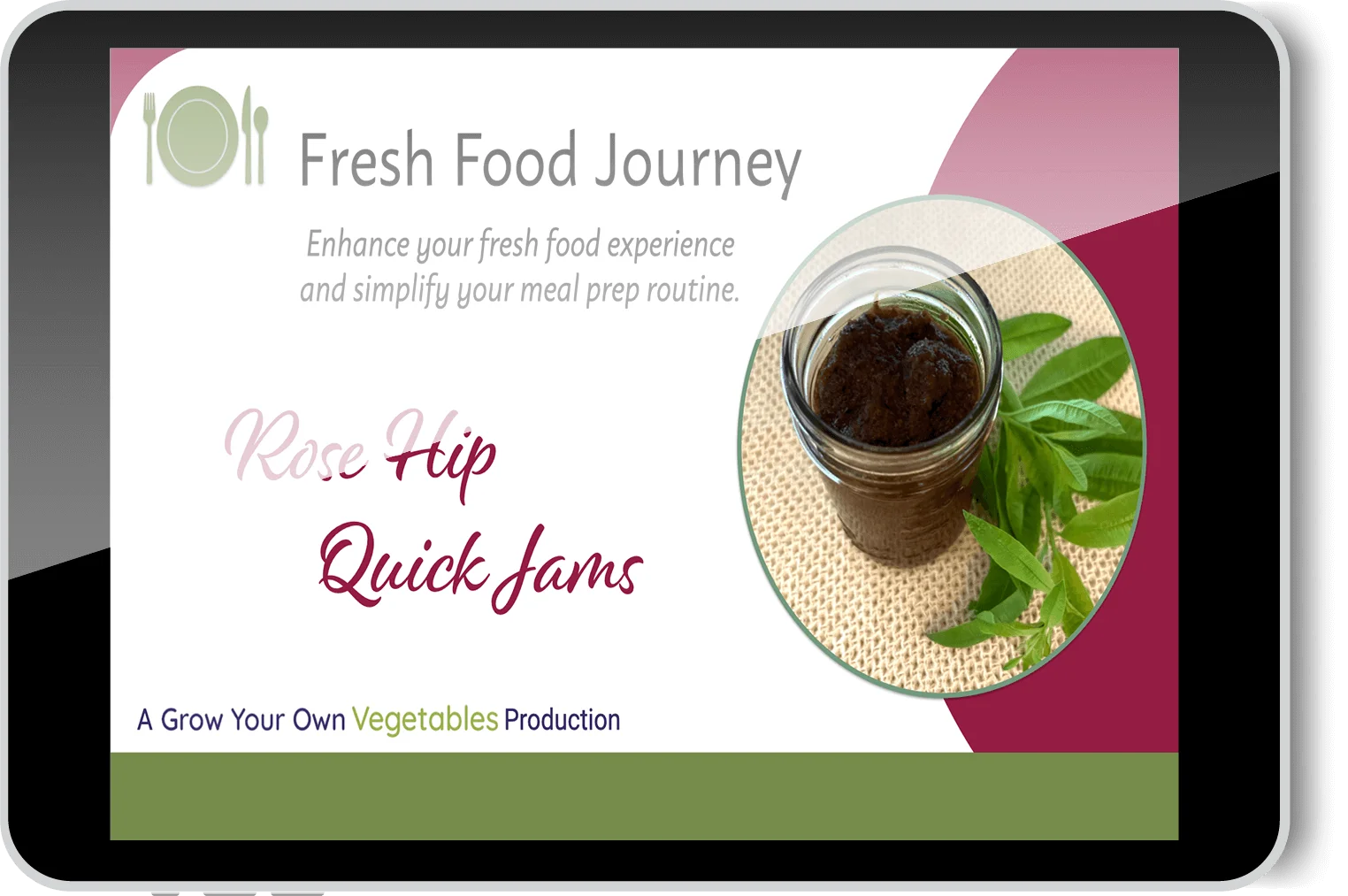
Take the fast track to delicious, nutritious jams with our free video, Your Guide to Rose Hip Quick Jams!
Why quick jams?
• They’re packed with nutrients, made with raw or lightly cooked ingredients to preserve all their goodness.
• The flavor is completely customizable to your taste.
• Best of all, they’re made in a flash!
No long hours of canning or cooking required. Plus, they’re eco-friendly, using less energy to make. Start your fresh food journey today!
🍅 BLOG 🍅
Calculating Harvest Dates – Do you have time to plant before first frost?
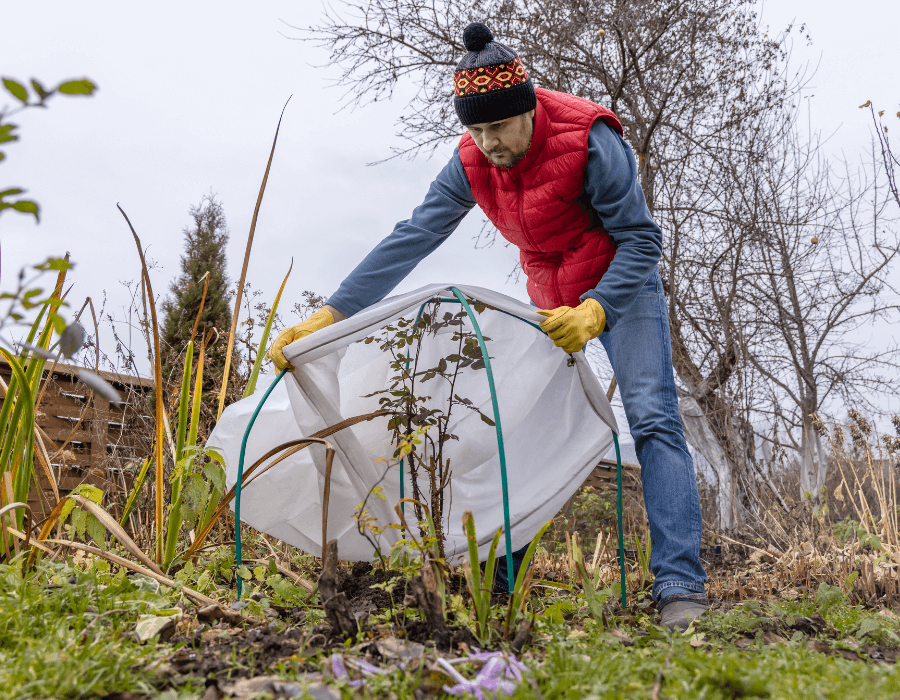
Calculating Harvest Dates – Do you have time to plant before first frost?
Some online tools for you to calculate when your harvest will be ready so you can plant the next crop, or make sure your crop comes to full maturity before the first frost of the year.
🌱 Plan Smarter, Harvest Better: Tools to Time Your Planting & Avoid Frost Loss
Trying to squeeze in one more crop before frost? Want to make sure your vegetables reach full maturity before winter hits? In this video, we walk you through online tools & calculators that help you:
• Determine your first and last frost dates
• Work backwards to figure out when to start seeds indoors or direct sow
• Estimate when your harvest will be ready — so you know when to plant your next succession crop
• Avoid crop failures from early frost or planting too late

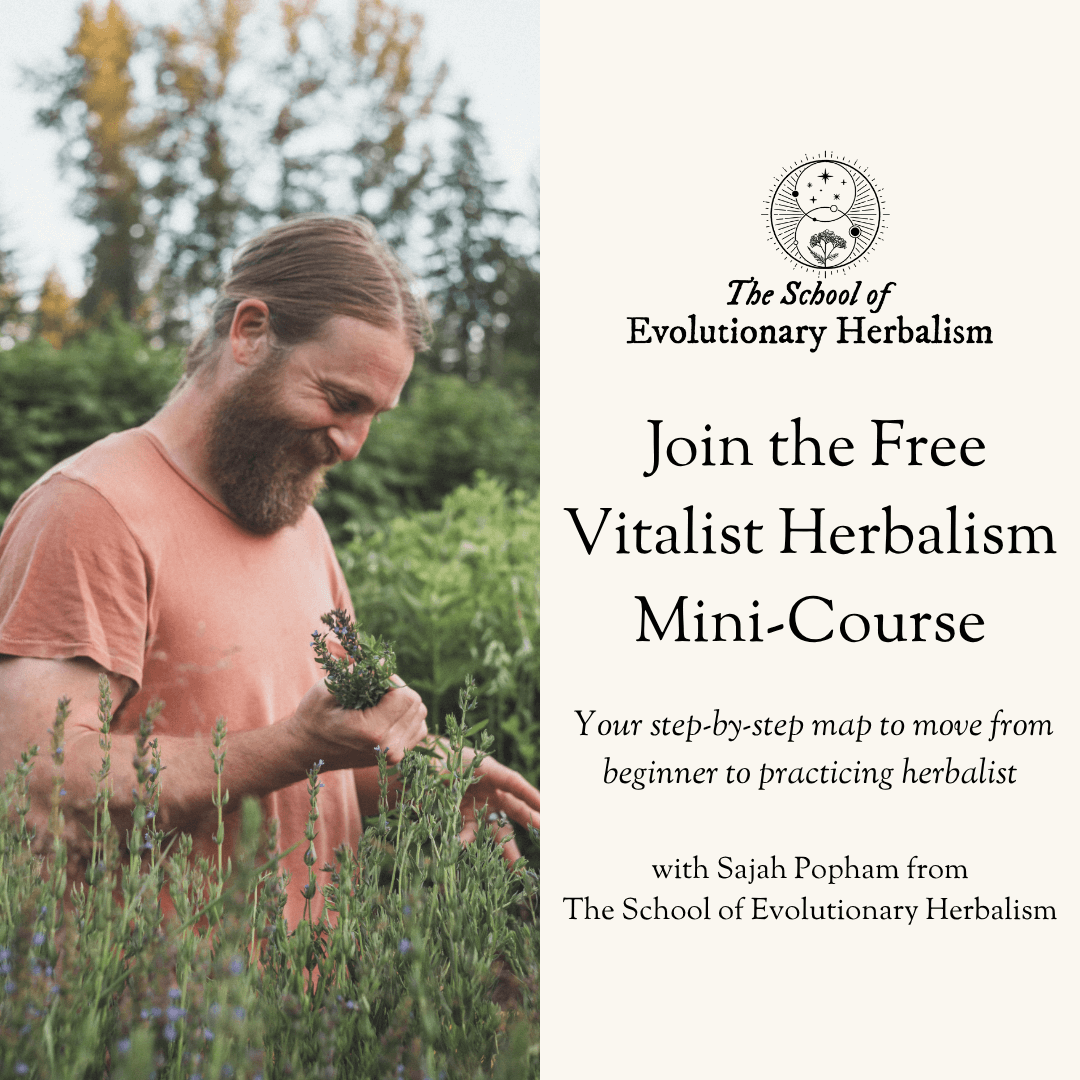
What: Vitalist Herbalism Mini Courses
Who: Evolutionary Herbalism
When: Happening Now!
If you grow herbs for cooking, teas, or simple remedies, you’ll love this free mini-course from herbalist Sajah Popham. 🌿
Join Sajah as he shares the Holistic Intake Roadmap—a simple way to connect people and plants more effectively. It’s an eye-opening class that makes herbalism approachable at any level, and this week you can watch the video + download the guide at no charge.
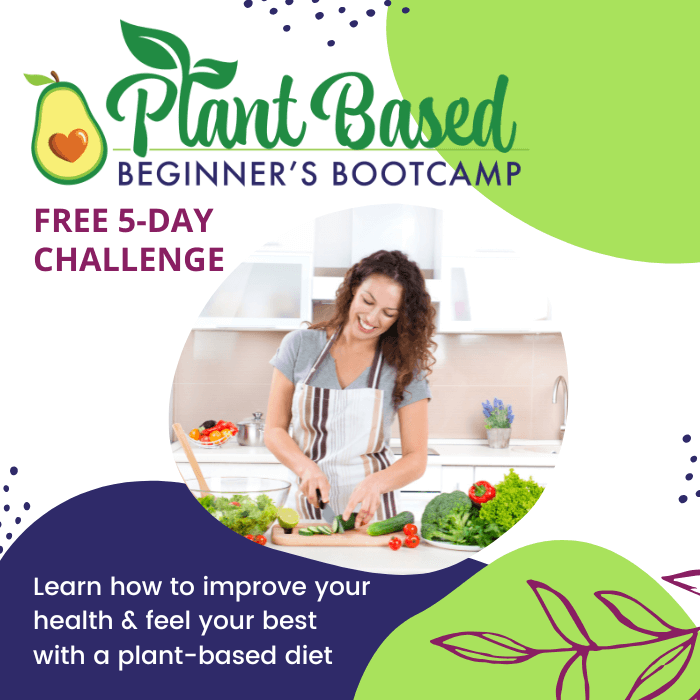
What: Plant-Based Beginner’s Bootcamp
Who: Kim Murphy, Simply Plant Based Kitchen
When: Oct 6-10, 2025
Join this fun, 5-day challenge to show you how easy and delicious a whole food plant-based lifestyle can be. You’ll learn how to:
• Build a strong foundation with whole foods backed by science
• Know which foods to enjoy—and which to skip
• Cook simple, flavorful plant-based meals in daily cooking demos
This challenge is all about small, simple steps toward a plant-based lifestyle. No pressure—just fun, tasty, and practical ways to feel energized and confident in the kitchen.

WHAT’S HAPPENING IN HARVEST CLUB
This week’s Garden Jam focused on winter food preservation planning! Stacey guided us through setting goals for what to preserve this season, shared tips on soil testing and compost, and offered advice on choosing durable greenhouses. We also covered indoor kumquat care, plant resilience strategies, and troubleshooting lettuce seed sprouting. Next session, we’ll dive deeper into lettuce seeding—perfect timing for your winter garden planning!
To view the replay, log into your portal and click here.
Not a member of our garden membership Harvest Club? You can get a one-time complimentary two-month membership with any of our courses. Harvest Club has tons of resources to help you thrive. Plus, you get access to ongoing garden support through email. Learn more here.

Dear Arti:
Question: Which crops could be planted in greenhouses in the winter? – Blake in Chicago
Answer: Hi Blake,
Great question! Well, what you can grow in winter in a greenhouse will depend on the answer to a few questions:
1) How cold or mild is your winter?
2) How heated is your greenhouse?
3) Do you have a Persephone period, and if so, are you providing additional light or growing your crops to maturity before the Persephone period?
So, for example, if your winters are mild, your greenhouse is heated, and you’re providing adequate light during a Persephone period (or you don’t have one), you could grow warm season crops like tomatoes and cucumbers.
If, however, your winters are harsher and your greenhouse isn’t heated enough, you may want to stick to cool season crops like lettuce, beets, radish, etc.
And if your winters are harsh and your greenhouse provides almost no protection, you might only be able to grow cold, frost-hardy crops like kale through the coldest winter months.
The easiest thing to do is compare the temperatures inside your greenhouse to the temperatures preferred by the crops you’re thinking about growing.

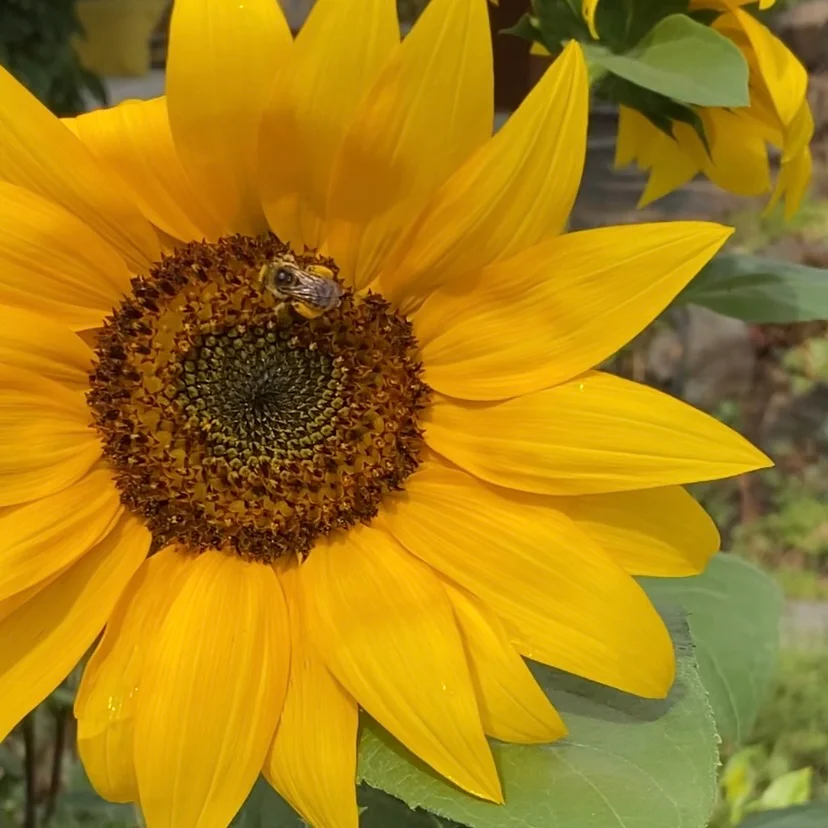
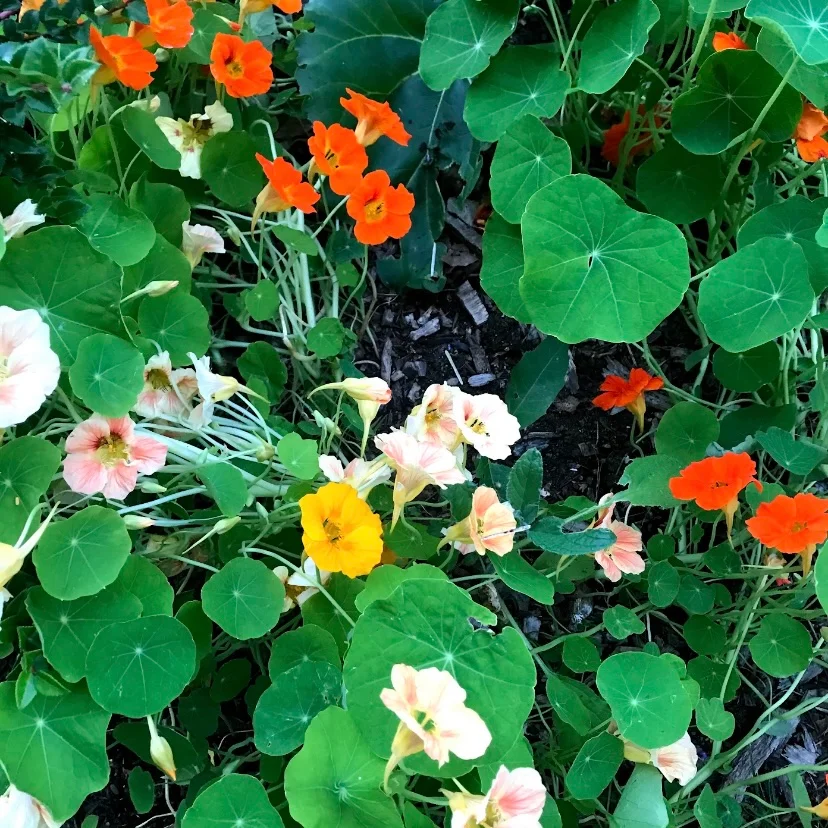
This week in the garden, GYOV CEO and Lifestyle Gardener Denise Beins is enjoying the simple joys of sunflowers and nasturtiums.
🌻 Sunflowers brighten the beds and delight the bees, while nasturtiums protect other plants, attract beneficial insects, and add a tasty, colorful touch to salads and recipes.
It’s a perfect reminder that gardening can be both beautiful and functional!

Connect with us:
This page may contain affiliate links. If you click and take action, Grow Your Own Vegetables LLC may be compensated. We only recommend events and products that we love and that we know can be helpful to you as a gardener.