Home Gardener’s
Weekly
Issue
No. 118
March
28, 2025

Missed the Elderberry Webinar?
Catch the Replay!
If you couldn’t join us for this week’s webinar on growing your own elderberries for food, medicine, and natural remedies, don’t worry—you can still watch the replay!
In this informative session, farmer Michael Kilpatrick shares:
🍇 The best elderberry varieties for different growing zones
🍇 How to successfully start elderberry cuttings at home
🍇 The many medicinal benefits of elderberries
🍇 Creative ways for you to use elderberries in foods and natural remedies
Plus, he answered dozens of questions from our GYOV community! If you’ve ever wanted to grow elderberries or have struggled to do so, this training is a must-watch.
Shop at Farm on Central
👉Use code GROWYOUROWNVEG for 5% off
Order elderberry cuttings to get started growing your own elderberry plants.
Learn the best elderberry plants to grow in your location.
Get everything you need to know in the new Elderberries Masterclass.

Weekly Garden Tip
Design hack! Have an old spring bed frame? Hang it on the wall for your garden tools, or hang plants and use it to grow vertically!

Free Resource

Take the fast track to delicious, nutritious jams with our free eGuide, Your Guide to Rose Hip Quick Jams!
Why quick jams?
• They’re packed with nutrients, made with raw or lightly cooked ingredients to preserve all their goodness.
• The flavor is completely customizable to your taste.
• Best of all, they’re made in a flash!
No long hours of canning or cooking required. Plus, they’re eco-friendly, using less energy to make. Start your fresh food journey today!
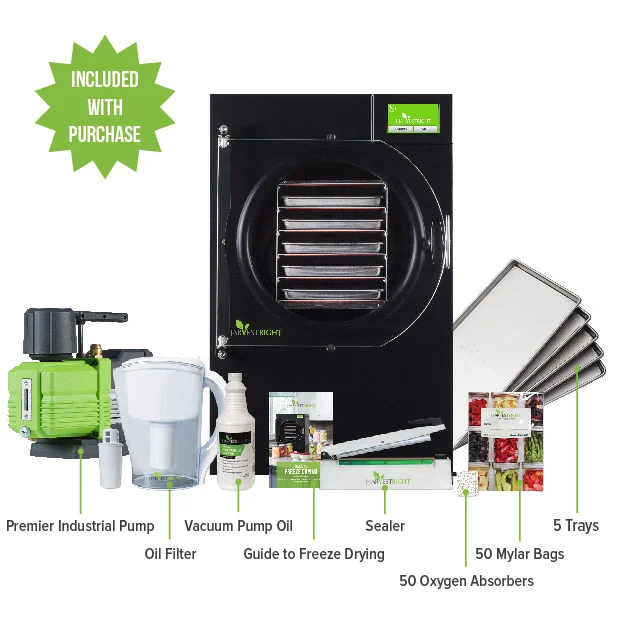
Unlock the full potential of your food with Harvest Right’s Freeze Dryer!
Unlock the full potential of your food with Harvest Right’s Freeze Dryer! Unlike traditional dehydrators, which retain only about 60% of nutrients, the freeze drying process preserves up to 97%— giving you 30% more nutrition without any extra effort from your body.
It’s a simple way to fuel your day with all the goodness nature intended, making healthy eating even easier!
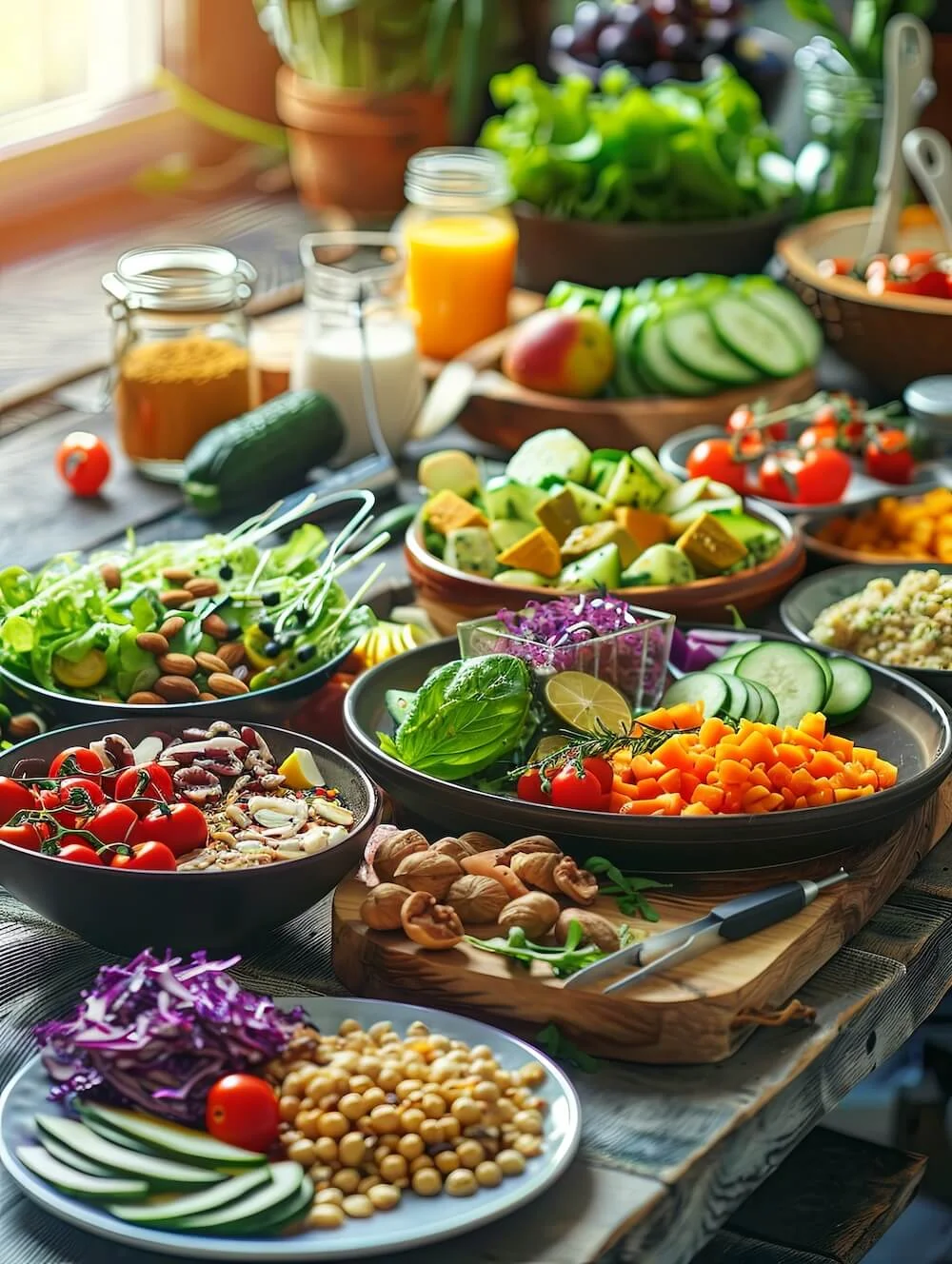
Being human means we’re always evolving, striving to become who we want to be. But with life’s constant pace, our goals can slip, and old strategies might no longer fit our changing needs.
That’s exactly why we created the Fresh Food Journey.
It’s packed with:
• Practical strategies and tips to make your fresh food journey easier.
• Delicious recipes and flavor combinations to keep your meals exciting and nutritious.
• Ideas to help you stay aligned with your goals, no matter how life evolves.
Ready to savor the journey? Let’s make it happen!
Zucchini is a garden superstar—fast-growing, abundant, and available at farmers markets in full force. But with so much zucchini, it can be tough to come up with fresh ways to enjoy it. In this video, see behind-the-scenes tips for 3 fast and easy zucchini recipes, plus a quick pickling technique. It’s a fun family activity and the perfect way to make the most of this versatile veggie with tasty meal ideas!
🥕 BLOG 🥕
10 Principles for a Successful Fresh Food Preservation Systems

Want to enjoy your garden’s bounty all year long? Discover the 10 simple principles that will help you preserve your fresh harvest, save time, and get creative in the kitchen.
Learn easy techniques and strategies for building a food preservation system that keeps you eating healthy, even when you don’t feel like cooking! Check out the blog for expert tips and practical advice.

What: Fresh Food Journey
Who: Grow Your Own Vegetables
When: Happening Now!
We’re excited to share our BRAND NEW Fresh Food Journey with you! Here’s what you have to look forward to when you join in this journey with hundreds of other fresh food advocates:
🌹 Rose Hip Quick Jams: Make nutrient-dense, healthy jam in minutes.
🥗 Superfood Bowl Mapping: Plan your weekly meals and grocery list effortlessly, with ingredients that work together.
🍲 Harvest Into Meals Planning: Rediscover your love for cooking with budget-friendly, exciting, and nutritious meals.
🥒 Fermentation Combinations: A guide full of creative fermenting ideas to keep your meals flavorful and interesting.
🎓 [Masterclass] 3 Strategies to Simplify Preserving and Storing the Harvest: Learn simple techniques to make the most of your garden’s bounty.
🎁 Surprise Bonus! A little something extra to enhance your journey!
Ready to simplify your fresh food experience? Join the Preserve Journey today!

WHAT’S HAPPENING IN HARVEST CLUB
The theme of this week’s LIVE Q&A? Seedlings and transplants, storing humic acid for long term stability, removing humidity domes and heat mats timing, and more! To view the replay, log into your portal and click here.
🍅🥕🌽🫐🍆🌱 Get your questions answered and keep moving forward on your fresh food goals in Harvest Club! 🍅🥕🌽🫐🍆🌱
Not a member of our garden membership Harvest Club? You can get a one-time complimentary two-month membership with any of our courses. Harvest Club has tons of resources to help you thrive. Plus, you get access to ongoing garden support through email. Learn more here.

Dear Arti:
Question: Will there ever be hope of growing vegetables in beds where neighborhood cats continue using the beds as a litter box? I could just grow flowers and I wouldn’t care. But I really want to use at least two of these beds for vegetables. I have done all sorts of “tricks” to keep them out, but to no avail. It is not just one neighbor’s cats, but a number of different cats. – Gladys M., Saskatoon, SK Canada
Answer: Hi Gladys,
Oh no! Now, I LOVE cats, but they can be such a nuisance when we’re trying to grow healthy food! For anyone who doesn’t know, cats can carry dangerous bacteria in their feces, so you should never compost cat or dog feces for your garden or harvest from a garden that a cat or dog has defecated in.
Let’s see if we can get you back on track, Gladys, and see if we can get those cats to go elsewhere, shall we? I know you mentioned you’ve tried all sorts of tricks, so you may have already tried these ideas, but just in case, let’s cover my top ways to keep cats out of the garden.
First, think about what’s drawing them to the garden to begin with. Most of the time it’s the soil… nice and soft. “Perfect for my poop time,” says the cat.
So, to remedy this, we need to do two things:
1) Make a poop area elsewhere. Now, they aren’t your cats, so I know this isn’t your responsibility… but it’s your solution. Choose a covered area (away from the garden) that will stay as dry as possible, even during rainy times. That might be under a dense tree or maybe under an overhang of a shed you have. You also want it to be a safe place where they won’t get chased off by noises like cars or neighborhood dogs walking by. Place a thick layer (up to 15″) of a soft material there, such as a soil mix. It doesn’t have to be fancy, it just has to be soft.
As a bonus, you can lure the cats there by planting some catnip plants around the area. Plant the catnip in enclosed hardware cloth cages where the cats can get at the tips but can’t destroy the whole plant.
To further lure the cats there, sift the cat poop from the garden and move the poop to the new area. By doing this, you’re sending a message to them that it is a poop area.
2) The next thing you want to do is to make your garden area as uninviting for them as possible. Having a small dog that can access the yard through a dog door can help chase them off for sure! But not all of us want or have a small dog. So, you can make that soft soil not fun for them to walk on. You can use hard mulches (like a bark mulch) around the perimeter of your whole garden or in the beds for a time if the bark barrier isn’t enough of a message. You can also use natural resources like spiky shells from tree nuts and things… Don’t worry, the cats won’t accidentally step on them; they’re generally very aware of their surroundings when they’re outside. Just like the ground, they’ll simply avoid walking on the strange-looking spiky things. A few may test it out slightly, but they’ll quickly find that it is uncomfortable. So, you can place those around the bed as well to help deter them.
3) You can also request the neighbors provide an outdoor area for their cats. They may not, but some neighbors might if you explain that while you don’t mind their cats being free, they come to your garden bed, and if they would be so kind as to help participate in the solution, you would very much appreciate it. And if they’re agreeable, you can give them the instructions I left above for creating an outdoor cat poop area.
Well, those are my top suggestions for you, Gladys! I hope that helps keep those sweet cat babies out of your garden!

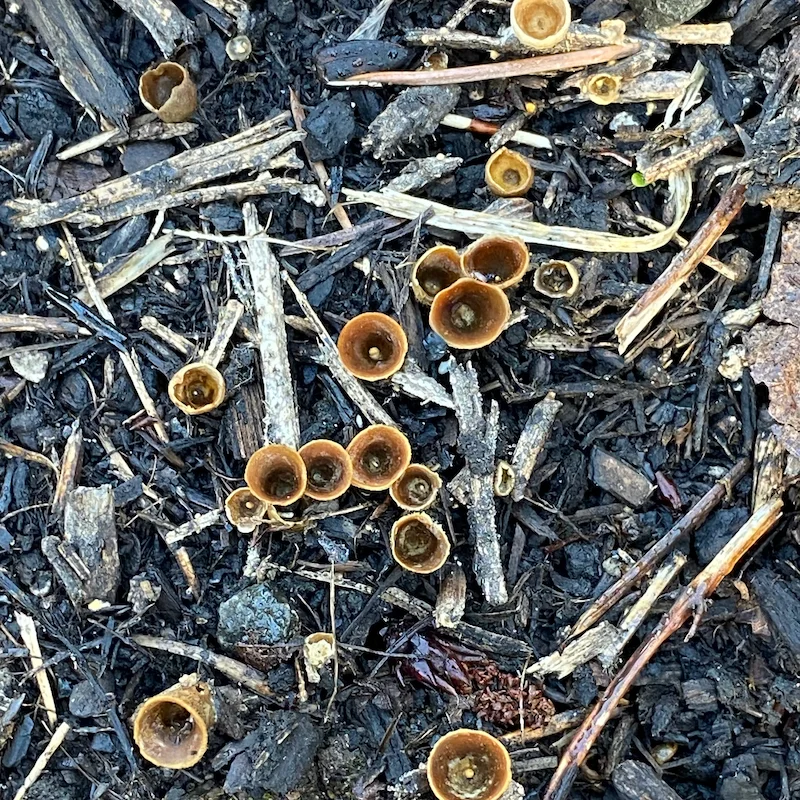
GYOV CEO and Lifestyle Gardener Denise Beins delights in spotting mushrooms in her garden—a sure sign of the rich, thriving life beneath the soil.
These tiny, cup-shaped mushrooms, no larger than the tip of her pinky, were so small she almost overlooked them.
Can you relate?
🍄🍄🍄🍄🍄🍄🍄

Connect with us:
This page may contain affiliate links. If you click and take action, Grow Your Own Vegetables LLC may be compensated. We only recommend events and products that we love and that we know can be helpful to you as a gardener.