Home Gardener’s
Weekly
Issue
No. 117
March
21, 2025

Weekly Garden Tip
If you live in high wind areas, consider building your garden below ground level a few feet if you’re still in the planning stages.

Free Resource

Want to keep your container garden plants truly healthy? Container Growing Safety is your quick guide to choosing safe, non-toxic containers for your edible garden.
Learn which materials are safe to grow food in, how to spot safe containers, and even where to find free, food-safe options. By understanding what containers are safe—and which ones aren’t—you’ll protect your plants from harmful chemicals and toxins, ensuring your garden stays as pure and healthy as possible from root to harvest.
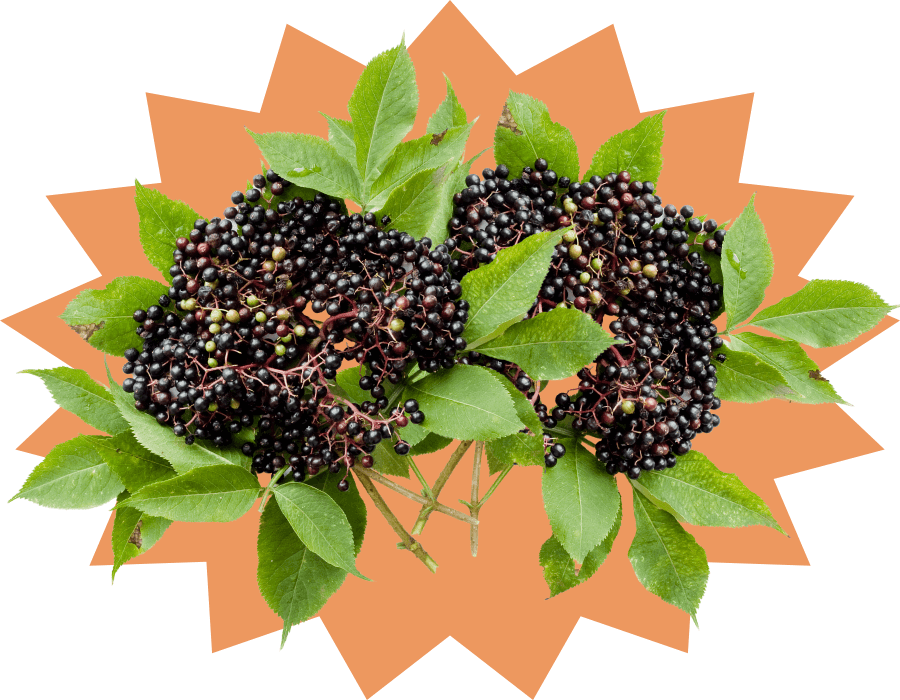
Where can you get Elderberry Cuttings?
Elderberry is an easy-to-grow, perennial superfood that boosts immunity and keeps giving year after year.
Its versatile berries are perfect for jams, pies, syrups, and even wine, making it a valuable addition to any backyard garden. But finding elderberry cuttings can be challenging.
We love this place for elderberry cuttings!
🥕 BLOG 🥕
Which Cutting Board Material is Best?

Looking for the safest cutting board for food prep? In this blog, we dive into the best materials—plastic, glass, and wood—and explore which one is truly the safest for fresh food.
Plus, find tips on caring for your boards to keep harmful bacteria at bay! Don’t miss out on our recommendations for the best hardwood cutting boards for food safety and style.

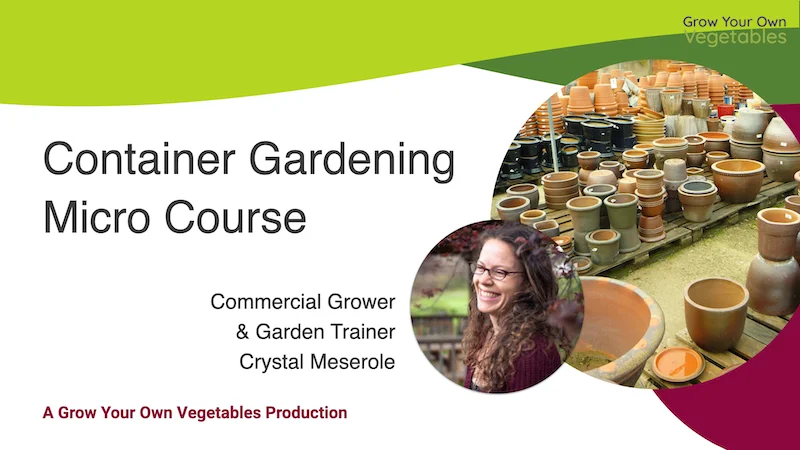
Get a sneak peek at the Container Gardening Course video! Learn to customize your container garden based on your space, budget, and lifestyle.
Crystal covers safety tips for various materials like wood, metal, plastics, and more, plus climate considerations, lifestyle impacts, and proper sanitizing methods. Perfect for gardeners of all levels!

What: Free Elderberry Webinar
Who: Michael Kilpatrick / Farm on Central
When: March 25th at 1pm Pacific / 4pm Eastern
One of our favorite farmers, Michael Kilpatrick with Farm on Central offered our subscribers (that’s you!) a webinar on growing one of our favorite superfoods—elderberries!
During the livestream, you’ll learn…
🌱 Top elderberry varieties for different growing zones
🌱 How to start elderberry cuttings at home
🌱 Elderberry’s many medicinal benefits
🌱 Ways to use elderberries in foods or natural remedies
If you’ve ever wanted to grow your own superfood or natural medicine, this webinar is for you. It’s online and free to attend— just register at the link below!

WHAT’S HAPPENING IN HARVEST CLUB
This Monday during the weekly LIVE Q&A, Harvest Club members talked about avoiding topsoil erosion, composting with tree leaves, nurturing banana plants, minimizing your time in the garden, and more! To view the replay, log into your portal and click here.
🍅🥕🌽🫐🍆🌱 Get your questions answered and keep moving forward on your fresh food goals in Harvest Club! 🍅🥕🌽🫐🍆🌱
Not a member of our garden membership Harvest Club? You can get a one-time complimentary two-month membership with any of our courses. Harvest Club has tons of resources to help you thrive. Plus, you get access to ongoing garden support through email. Learn more here.
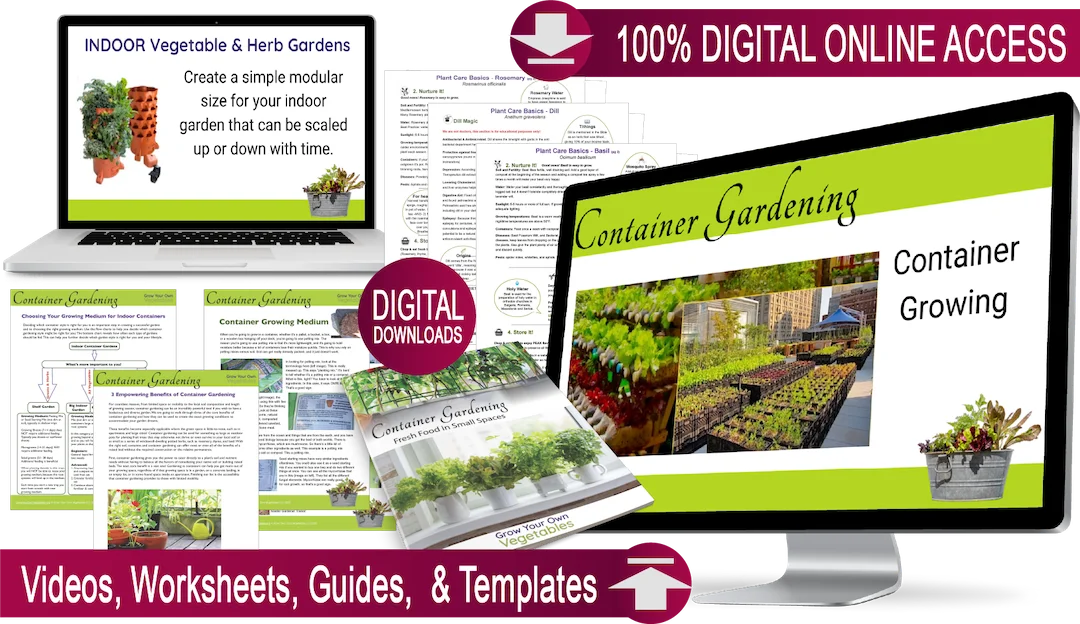
Enroll today in the Container Gardening Micro Course for instant and lifetime access to valuable, on-demand lessons! Learn at your own pace, anytime you like.
Inside, you’ll discover how to:
→ Garden anywhere, indoors & outdoors
→ Container Substrates & Nutrients
→ Choosing plant varieties for your Container Garden
→ Container Watering and Drainage
And more!

Dear Arti:
Question: I overwintered carrots, as they were very small. Will they still produce a good crop this year, or should I just pull them? Also, I’ve been leaving the roots of harvested plants in the ground until spring. Some are vast, and as my beds are only 10″ deep, I’m afraid of them breaching my plastic film that separates my great soil from the weeds below. Is this good to do? Thank you for doing this!!!!! – Sherry Mac
Answer: Hi Sherry,
Great question! So, when carrots are overwintered, it’s ideal if you plant them 12 weeks before the first frost so they can mature before the freeze. That way, you can harvest them all and store them in the cellar over the winter– or you can leave them in the ground and harvest when the ground is warm enough to work.
Often, small baby carrots will flower quickly in spring. The cool thing is that carrots can be harvested for food at any time during their growth. So, watch the carrots in the spring, and as soon as you start to see them heading towards the flowering stage, harvest them, even if they’re smaller than you’d like. Some harvest is better than none, after all! 🙂

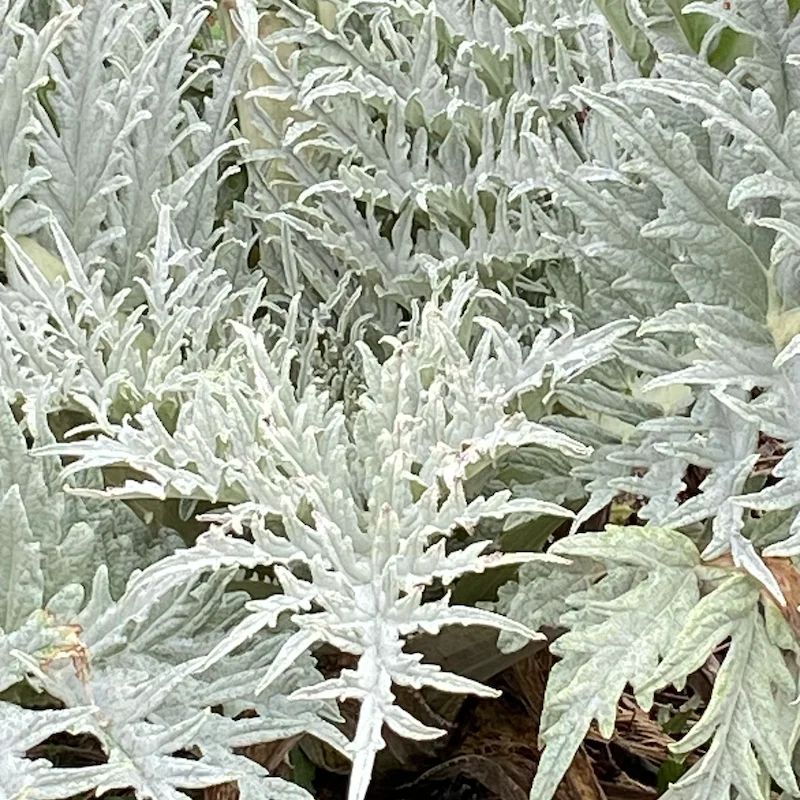
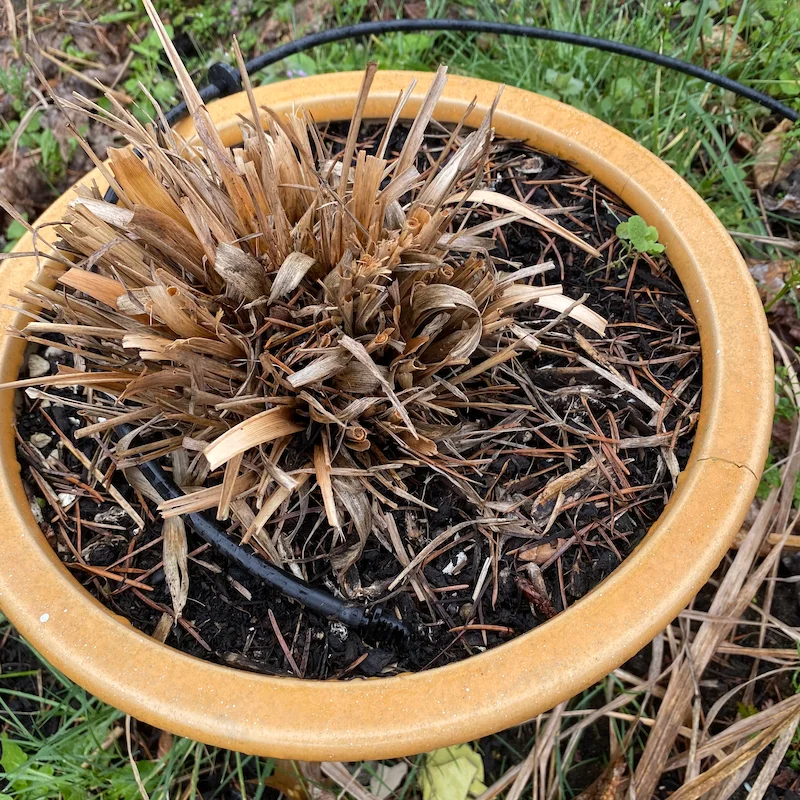
GYOV CEO and Lifestyle Gardener Denise Beins was out enjoying her garden as it awakened from the winter months. The potted plant in the photo is lemongrass, which overwintered outdoors, sparking curiosity about how it will thrive this season. Last year, she brought it indoors for the colder months. Also shown here is one of her artichoke plants, poised and ready to flourish for this year’s harvest.

Connect with us:
This page may contain affiliate links. If you click and take action, Grow Your Own Vegetables LLC may be compensated. We only recommend events and products that we love and that we know can be helpful to you as a gardener.